
 Menu
Menu987-65-4329
987-65-4329

 555-666-0606
 Shaik Heena Kauser*
Department of Genetics & Biotechnology, Osmania University, Telangana, India.
Received Date: 14/07/2016; Accepted Date: 30/07/2016; Published Date: 06/08/2016
Blood flow, Anaemia, Renal disease, Fibrinoid necrosis, Obstructive sleep apnea, Vascular disorders, Arterial pressure, Cardiac cirrhosis, Pulmonary artery pressure, Hypertension, Microangiopathic haemolytic anaemia, Renal artery stenosis, Angiotensinconverting enzyme, Aversa syndrome.
Blood pressure
Blood pressure is measured in quantitative terms specifically diastolic and systolic pressures in mmHg. Mean arterial pressure is calculated by measuring systolic and diastolic pressures and is an average of cardiac cycle determined with the help of cardiac output, systemic, vascular resistance [1] and central venous pressure. Systemic venous pressure refers to systemic circulation. Pulmonary artery (PA=pulmonary artery pressure) carries deoxygenated blood from right ventricle of the heart to lungs originating from truncus arteriosus and has significance in clinical studies. According to American heart association (AHA) the systolic and diastolic value for hypertension ranges to >140/90 mm Hg when compared to normal levels of 115/75 mmHg (Table 1) [2].
| BloodPressure Category | Systolic/Diastolic mm Hg |
|---|---|
| Normal | 120/80 |
| Prehypertension | 139/89 |
| High Blood Pressure (Hypertension) Stage 1 | 159/99 |
| High Blood Pressure (Hypertension) Stage 2 | 160/100 |
| Hypertensive crisis (Emergency care required) | 180/110 |
Table 1: Categories of BP defined by American heart association.
What is hypertension?
Hypertension is termed as a prolonged medical condition, a heterogeneous disorder of elevated blood pressure in the artery (a flow greater than normal) and a risk factor towards many diseases such as chronic kidney disease (CAD) and vascular disorders, obstructive sleep apnea, etc. Hypertension is itself a silent killer although most of the symptoms are not observed at early stages [3-5].
Almost 95% of the reported cases show primary category of hypertension with unknown or rather partially known and non-specific causes whereas the remaining fall under the identifiable and well known diseases like Pheochromocytoma, Hyperaldosteronism, Cushing's syndrome, and Acromegaly.
• Prehypertension is a slight elevation of normal blood pressure. PPHN is referred as Persistent PH of newborn.
• Inherited BP is a complex mechanism of mutation of approximately 10 variant gene expressions controlled by intermediary phenotypes. Inherited hypertension is termed familial pulmonary arterial hypertension (FPAH).
• Renal Hypertension is caused due to high BP and abnormal functioning of kidneys because of narrowing of renal artery. This is identified and diagnosed by urine test, serology, and blood test. Surgical treatment or β- andregenic blockers may be useful.
• Malignant Hypertension is a condition in which a targeted organ is damaged majorly CVS, eyes, renal and CNS (Hypertensive encephalopathy/ cerebral infarction) systems [6]. Fibrinoid necrosis of arteriole leads to the damage and cardiovascular lesion is formed. RBC’s are ruptured as they are obstructed by the fibrin depositions as they flow, thus resulting in micro angiopathic hemolytic anemia. It is caused due to 2o hypertension, cocaine use, renal artery stenosis, pheochromocytoma, Spinal cord injuries, Tumor. About 1% of population affected with high BP fall in this category. It is identified by conditions such as difficult breathing, angina, severe headache, numbness in arms, legs, seizures.
• Liddle’s Syndrome is an autosomal dominant monogenic hypertension resulting due to increased Na+ channel activity. Another form of juvenile hypertension occurs due to mutated 11β-hydroxysteroid dehydrogenase gene.
• Systolic Hypertension: Abnormal and elevated systolic blood pressure caused due to coronary ischemia, left ventricular hypertrophy. Lifestyle changes and controlled diet probably cures this hypertension.
• White Coat Hypertension or masked hypertension is a condition induced due to anxiety, stress.
• Neurogenic Hypertension is another risky factor to cardiovascular diseases [7].
• Intracranial Hypertension is associated to brain injury with the elevated Intracranial Pressure (ICP) [8].
• Hypertension Retinopathy is a vasoconstriction of retinal blood vessels often caused due to atherosclerosis.
• Resistant Hypertension (RH) is an uncontrollable hypertension despite the use of diuretics, caused due to hormonal imbalance, renal artery stenosis, sleep problems, obesity, high alcohol, and older age. It is treated using multidrug regimens, lipid lowering treatment, although successful treatment for RH is still unknown [9].
• Hypertensive Emergency: The hypertension with acute impairment of one or more organ systems such as CNS, cardiovascular, renal which requires immediate therapy.
Epidemiology suggests that 40% of human genes relates to hypertension. The morbidity and mortality of patients suffering with hypertension depends on the symptoms and causal factors which also has an indirect effect on organ failure and lethal incurable diseases. 56 billion Populations worldwide are estimated to be victims of hypertension by the year 2025. Approximately 43 million people take antihypertensive drugs (23% adults) in US [10,11].
PH is a rare disease, often in 15-50 cases/million population, prevalent in 0.5% in HIV patients, 7-12% in systemic sclerotic patients, 2-3% in sickle cell anaemic patients. IPAH has 1-6 cases/million [12] of occurrence in Europe and US; around 40% of cases accounts to IPAH are of PAH while APAH (Associated PAH) takes the remaining. Socio-economic factors, environmental, geographic as well as genetic factors differentiate the occurrence of PAH. Pan-African Pulmonary Hypertension Cohort provided information about classification, therapy, natural course of PH worldwide [13]. Over 50 cases/million population report for Pulmonary Arterial Hypertension [14], women tend to be more affected than men [15]. African-American are more prone to hypertension than non- Hispanic whites. Major occurrence of the disease is observed in Palestine (81% of chronic diseases) [16]. Puerto Rican Hispanics also show prevalence to this type of disease association when compared to ethnic or racial group in United States [17].
Pulmonary hypertension
An increase in blood pressure in the pulmonary vessels which leads to symptoms associated with several diseases. Ernst von Romberg in 1891 was the one who first identified PH. Pulmonary arterial pressure normal values to 25/8 mmHg. They are majorly classified into six types. Pulmonary hypertension (PH) is a complex disorder and may be idiopathic or related to a variety of diseases (Figure 1) [18]. In patients with pulmonary arterial hypertension (PAH), [19,20] progressive narrowing of the small pulmonary arteries and arterioles results in increased pulmonary vascular resistance, which may ultimately lead to right ventricular failure and premature death [21]. Pulmonary Hypertension is a very rare complicated disorder often involving complexities where diagnosis and treatment is delayed as the symptoms are often unnoticed. The contradicting study of clinics and animal data leads to “estrogen paradox” in pulmonary Arterial Hypertension [22,23]. A brief description of PH is given in (Table 2) [24].
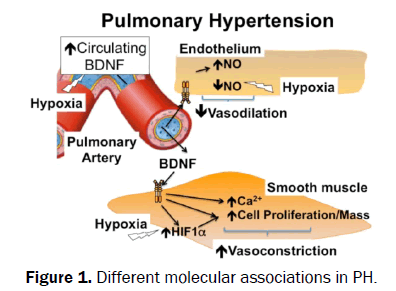
Figure 1: Different molecular associations in PH.
| Etiology included | Category |
|---|---|
| Idiopathic, heritable, drug and toxic induced. Associates to connective tissue disease, HIV, Hypertension, congenital heart disease |
Pulmonary hypertension |
| Dysfunctioning of left ventricular systolic and diastolic circulation, valvular disorders, left heart flow disturbance, congenital cardiomyopathy | PH caused due to left heart disease |
| COPD, Interstitial lung disease, sleep disorder, other pulmonary and alveolar and developmental lung diseases | PH caused due to hypoxia |
| Hematologic disorders: Chronic hemolyticanemia, splenectomy, systemic disorders Systemic disorders: Pulmonary histiocytosis, sarcoidosis, lymphangioleiomyomatosis Metabolic disorders: Gaucher disease, Glycogen storage disease and thyroid disorders Segmental PH, chronic renal failure, tumoral obstruction are the other alterations included with this disorder. |
PH with multifactorial and unclear mechanisms |
Table 2: Groups of pulmonary hypertension as describe by WHO.
Pulmonary hypertension association (PHA) is a no-profit organization set up to socially activate and enhance participation to know about PH and also relates to find sources for the PH treatment. It has support group meetings, networking and awareness is provided through various portals such as Facebook, twitter, Pinterest, Google plus, etc. PHA associates to Conferences, Medical programs and Research publications [25].
Primary PH
Women in the age groups of 25-40 years are often reported with this category of hypertension which does not trace out the abnormal functioning of heart and lungs. Primary pulmonary hypertension (PPH) is rarely associated to thrombocytopenia and unclear as per the case study [26]. It is essential hypertension, a risk factor for CVD and occurs due to sedentary lifestyle, low potassium and calcium intake, high salt intake [27], alcohol and obesity, [28] dyslipidemia, etc. Ayerza syndrome is caused by primary pulmonary hypertension.
Secondary PH
Congenital Heart and lung diseases develop in the secondary phase of primary hypertension. Atrial septal defect or a hole is formed in the heart and mitral valve is narrowed. Secondary PH is commonly caused due to hypoxia in chronic stage [29]. This is caused due to identified medical conditions such as polycystic kidney/glomerular diseases, renovascular hypertension, cushing syndrome, aldosteronism, pheochromocytoma, nutrient deficiency (esp. potassium), thyroid problems, coarctation of the aorta, sleep apnea, medications, heart problems, endocrine system, diabetic complications, pregnancy, arsenic exposure, etc. Secondary PH can lead to memory problems, metabolic syndrome, damage arteries and weaken or narrow blood vessels [30].
PH is majorly classified as PAH, hypoxemia leading to PH, chronic thromboembolic PH and also an indirect correlation for development of heart and pulmonary diseases and abnormalities [31]. PH also leads to thromboembolic disease. Lung hypoplasia and vascular abnormalities might lead to persistent PH [29]. High blood pressure induces preeclampsia, a syndrome recognized during gestation [28,32].
Idiopathic Pulmonary Arterial Hypertension is a progressive rare disorder with sustained elevation in pulmonary artery pressure and pulmonary vascular resistance, with normal pulmonary artery wedge pressure, in the absence of a known cause. It has high morbidity and mortality in persons of all ages. Improper functioning of endothelial cells, smooth muscle hypertrophy, and platelet dysfunctioning is a characteristic feature of IPAH thus leading to in situ thrombosis [33]. If left untreated it leads to heart failure and death.
Heat shock proteins (HSPs) expression is triggered when organisms are exposed to stress or injury, including infections, mechanical stress, oxidants, and cytokine stimulation. In response, the arterial wall cells produce high levels of HSPs to protect themselves against these unfavorable conditions. Studies estimate to prove the activation of HSPs in IPAH.
A lower prenatal testosterone levels observed suggesting a higher ratio of IPAH in the female (35-50 years of age) samples when compared to controls. This 2D:4D digit ratio (used as a marker) is known to be a potent biomarker towards IPAH and testosterone levels in prenatal stage might be a future research interest, thus a source of contribution to avoid prolongation of IPAH. The study is also suggesting the serum testosterone levels which are generally low and estrogen high levels in uterus, thus females are more prone to develop IPAH. An observation showed that pulmonary ET-1 gene expressed in the lung tissues of female rats and low testosterone level induced this gene in human males. The low 2D:4D ratio in males is because of variation in androgen exposure and a genetic linkage of homeodomain containing HOX genes [22].
Late stages of PH
Pulmonary hypertension (PH) at its fatal stage may lead to chronic thromboembolic pulmonary hypertension (CTEPH) which is cured by pulmonary endarterectomy (PEA) surgically [34].
Renal diseases and PH
Patients suffering with chronic kidney disease are often at an increasing risk towards cardiovascular diseases (CVD). In one of the study, hypertension and arterial calcification, increased cardiac output is observed in the pathological evidences in the Left ventricle hypertrophy, renal disease patients. Diabetes mellitus, glomerulonephritis, analgesic drug intake, obstructive nephropathy and hypertension [35] are the major risk factors to develop renal diseases [36]. Elevated pulmonary capillary wedge pressure (PCWP) was observed in ~ 60% of haemodialysis patients. Prolonged haemodialysis is to be done for the patients with pulmonary hypertension [37]. Narrowing of arterial retina, moderate haemorrhages leads to hypertensive nephrosclerosis renal failure [38,39]. Pulmonary Hypertension ranges from 16-60% in Haemodialysis patients [40].
Diabetes and IPAH
There is an affective co-relation between PH and glucose levels in blood because of activation of JAK2 (Janus kinase 2) which is an intracellular kinase by angiotensin (II) [15].
The high prevalence of post-transplant hypomagnesemia observed in patients [41] related to factors like insulin sensitivity, renal transplantation and a frequent complication in renal transplantation recipients (RTRs). This disease is usually associated to calcineurin inhibitors which help in preventing transplant rejection. The study also reveals magnesium deficiency which is related to insulin resistance [42]. This is an indirect cause for hypertension. The resting blood pressure is ≥ 140 mmHg systolic and/or 90 mmHg diastolic is a characteristic of post-transplant hypertension and post-transplant diabetic population reveals levels of ≥ 126 mg/ dL in their blood (11.3% of patients). But there was not much significant differences observed among the tacrolimus and cyclosporine groups with respect to diastolic blood pressure, calcium, phosphorous, sodium levels, diabetes mellitus and hypertensive prevalence [41,43]. Alenine variability is considered to be the major risk factor in developing IPAH. It might be due to the absence of A12A homozygotes and less frequent heterozygotes in the population under study. The gene polymorphism in the exon 6 has an impact on the levels of PGIS and an association of the PGIS and PPAR-γ2 gene in IPAH was recorded [44]. The occurrence of PH in diabetic patients is more severe than non-diabetics [15].
Camerron population shows high prevalence of hypertension associated with diabetes [45,46] as insulin can raise Blood pressure [47]. Obesity has also proved to have an indirect affect for developing Hypertension, PAH along with type-2 Diabetes [48,49].
Cardio-vascular and PH
Surgery and management for congenital heart disease can prevent further progression of Pulmonary Arterial Hypertension [50]. PH is sometimes associated with rheumatic heart disease which can be diagnosed with Echocardiography [51]. Acromegaly is another complication associated with cardio-hypertension [52].
Dilated Cardiomyopathy has complications to develop Pulmonary Hypertension but the complexity remains unanswered [53]. PH is also developed in Cardiac hydatidosis (CH) patients upon performing echocardiography and CT [54].
An identification of socio-demographic and risk factors (smoking, changes in lifestyle) was studied in the ESRD (end stage renal disease) population; where hypertension (42% cases) reveals relevance to CVD (Cardiovascular Disorder) [16] than the control samples.
It has been observed that there is an increase in Endothelin expression in PH patients and when they are subjected to hypoxic conditions, where vasoconstriction of pulmonary arteries can be prevented with the help of ET-1 receptor antagonists. The contraction of pulmonary arterial vessels is partially mediated through the ET-1 receptor in patients suffering with chronic obstructive pulmonary disease upon inducing Endotheline-1 [55].
Cardiac cirrhosis may be developed due to prolonged hepatic hypoxia in pulmonary patients [56]. Due to ageing, PH prolongs with the presence of pulmonary valve in biventricular position and sub pulmonary ventricular septal defect and this is proportional to cardiac mass and arteries [57]. PH leads to congenital heart disease known as Eisenmenger’s syndrome with increased cardiac output especially in pregnancy [58]. Hypertensive retinopathy shows signs of heart murmur but not fatal [38].
One of the genes ST2 might induce cardiac muscle dysfunction which acts to reduce the cardio-protective effects of IL-and might also alter the systolic blood pressure [40].
Hypertension is related to metabolic syndrome and a characteristic risk for developing cardiovascular symptoms [59]. Oral sildenafil and Ino combination might be beneficial for cardiac patients [53].
Other diseases and PH
Down’s syndrome patients and Marfan syndrome [60] are susceptible to pulmonary arterial hypertension (PAH) and various other factors relate to the development of the disease including hyplastic lung volume, gastro-oesophageal reflux and heart diseases [50,61]. PH associated to connective tissue disease, human immunodeficiency virus [62]. To control enzyme inhibitors in angiotensin in order to reduce the activation of AT1 receptor by angiotensin II, there should be pharmacological benefit to Hypertension. Thus, there is also an indirect effect for developing IPAH in autoimmune thyroid affected patients to an extent as Hashimoto’s thyroiditis patients could not show any affect to hypertension in the studied population [15] Systemic lupus disease is characterized by hypertension, nephrotic syndrome, lupus, renal insufficiency, etc.[63]. PH, ischemia, scars were observed in scleroderma patients significantly [64].
Animal models provide an insight towards species facets towards the specific disease as they share common features and to mimic hypertensive response to human pathology. To provide more specific molecular studies in PH, genetically modified mice have been developed. But there is no perfect model pre-clinically which exactly imitates human PAH [65]. Human pathology improved over the past decade and developed novel model systems esp. the induced pluripotent cells (iPS). iPS cells would retain the information coded genetically, and such abnormalities might contribute to the disease and thus provides a valuable source towards studying genetic diseases. iPS cell biology is a growing field in human genomics [66].
Animal models include primarily of rodents which are exposed to monocrotaline/hypoxia experimental models are used to study pathophysiology and etiopathogenesis of the disease such as rats (different strains available). Animal models have been developed in comparison to hypertension and atherosclerosis [67]. PH in rats is caused upon administration of a pyrrolizidine alkaloid, monocrotaline (MCT) and the model was useful in studying pathophysiology of hypertension [68]. With sufficient tricuspid regurgitation in the model we can analyse the heart of small animals with the help of high frequency transducer [68]. An indirect measurement for PH was ventricular hypertrophy and this second indicator, i.e., right ventricular hypertrophy is highly significant in the nitrofen-induced CDH (congenital diaphragmatic hernia) in the model under study [69].There has been much progress and research towards PH and much of the work is studied on these animal models (Table 3) [70].
| Pathology equivalent to PAH | Experimenting model | Species |
|---|---|---|
| Increased muscularization due to genetic predisposition | BMPR2 knockout | Mouse |
| Disorganized cellular proliferation in plexiformlessions for MCT (Monocrotaline) | Monocrotaline and pneumonectomy | Rat |
| Hyperproliferative endothelial cell etiology and irreversible Pulmonary Hypertension for plexiform lesions as well as CH (Chronic hypoxia) | VEGF-R2 inhibition and chronic hypoxia | Rat |
| Vascular inflammation, increased muscularization, neointimal formation in dogs | Monocrotaline [MCT] | Rat, Dog |
| Medial and adventitial thickening, accumulation of progenitor and mononuclear cells | Chronic Hypoxia [CH] | Mouse, Pig, Sheep, Rat, Cow |
Table 3: Imaging modalities in Hypertension.
An aggregate of genes are associated to hypertension and affects to changes in BP. Genes – CYP11B2, β2-AR, AGT are natural candidates which regulate blood pressure. Polymorphism of CYP11B2 C-344T, AGT M235T, β2-AR Arg16Gly has been reported to be linked with hypertension, but may not be significant. The study of these gene polymorphisms in high altitude areas is quite low. M235T of AGT genes in the Jeunemaitre group linked with the disease in French population and Utah and also polymorphic AGT M235T association observed in South India, Malaysia, United Kingdom, China. Aldosterone maintains homeostasis in Blood pressure encoded by CYP11B2 gene [10].
There shows an association of anti-apoptosis and abnormal smooth muscle cell proliferation and a deficiency of BMPR2 (bone morphogenetic protein receptor type 2) to PH [29,71]. Other genes associated with the disorder include: ACVRL1, BMPR1B, BMPR2, CAV1, CBLN2, EIF2AK4, ENG, KCNA5, KCNK3, SMAD9 []. Ser89Asn NN genotypic patients dominated to associated with pitting scars, pulmonary hypertension and manifestations, and also digital Ischemia at significant value p<0.001[64].
Epigenetics in PH
• Histone modification
• DNA Methylation
• Non-coding RNAs and Micro RNA
• Role of micro-RNA in PH
Pulmonary Hypertension is the most commonly studied in clinical trials (Figure 2) [26]. Several mechanisms are triggered for cell proliferation and vascular constriction which ultimately lead to factors associated with PH and its clinical associations [73].PH is a rare and critical condition involving various mechanisms as well as heterogeneous disorders [74]. Smoking induces narrowing of vessels and dysfunction of endothelium, but the mechanism prevailing in between PH and emphysema is not well understood [75]. A pathogenic role of abnormal estrogen is observed in the clinical studies relating to PAH [76]. A brief mechanism of PAH is described below [77].
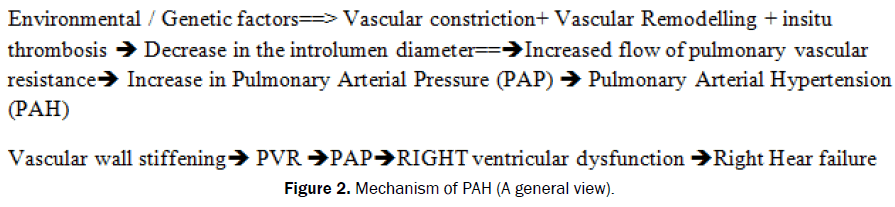
Figure 2: Mechanism of PAH (A general view).
HSP genes are associated genes are responsible for the pathophysiology of hypertension. A regulatory peptide Gal-3, when over expressed contributes to pathogenesis of PAH and also associates to improper functioning of endothelium and vascular system [78].
Patients showed a distinct increment in cardiac index and also atrial diameter in a report suggests the pathogenesis of PH [37].
Pulmonary vasoconstriction as well as vascular remodeling is stimulated with the increase in concentration of PASMCs (Pulmonary Arterial Smooth Muscle Cells). This Ca2+ influx in PASMCs is enhanced and there is an increase in calcium levels in the cytosol in IPAH patients [29].
Constriction of blood vessels in lungs, the blood is forced to flow and due to thickened walls, there develops pressure, acute stress, strenuous exercise, anxiety, age (>60 years) alcohol, Obese, lifestyle changes, genetic, oral contraceptives, diabetes [79], cancer, pregnancy, hyper inflated lungs, psychological disturbances in early teens, Vit D deficiency leads to PH.
PH is also caused by Human Cytomegalovirus in neonates born to a mother detected to be HIV+ve and is undergoing Anti-Retroviral Therapy [80-82]. Smoking is another cause of PH as observed in patients undergoing cardiac surgery, pulmonary embolism (observed in Sickle Cell Anaemia, airway disease like COPD (Figure 3) [83].
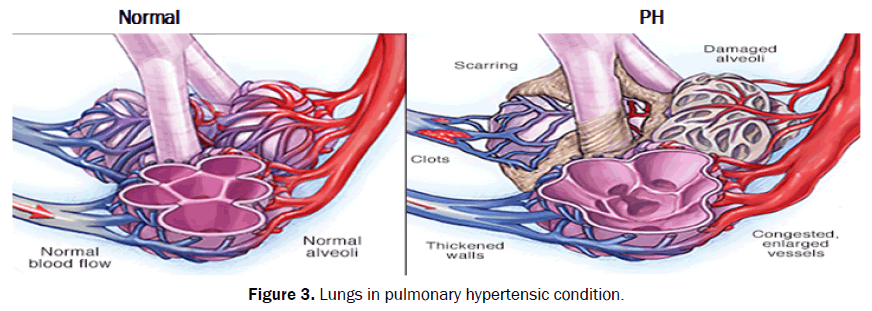
Figure 3: Lungs in pulmonary hypertensic condition.
• Fatigue
• Shortness of breath
• Dizziness
• Swelling of ankles as well as legs
• Increased heartbeat chest pain, etc.
Risk factors
Increased pulmonary vascular stiffness, age, chronic renal failure, hyperparathyroidism, aneurism (bulging of blood vessels), heart failure are complications associated with the disease.
PH is detected using various diagnostic measures and symptoms complementary to the disease. Imaging studies include: Radiography, Echocardiography, Computed tomography (CT), magnetic resonance imaging (MRI), and Lung scanning, Pulmonary angiography, Electrocardiography, six minute walking test [84], arterial blood gas measurements, measuring BP, blood test, etc. Chest pain even without symptoms and the damage to the blood vessels can be detected.
Diuretics, anticoagulants, transplantation, cardiac catheterization, Doppler echocardiogram are sensitive non-invasive methods to investigate PH. Studies prove that the drug sildenafil when administered postoperatively has no effect clinically to PAH [85] . To improve survival rates of PH patients, a combination of tadalafil and citrulline in therapy to monocrotaline (MCT) -induced PH in rats might be beneficial in comparison to use of tadalafil-arginine [86]. It was also observed that increased blood flow and vasodilation by the up-regulation of cGMP is an efficient approach [68,87].
PH is one such comorbidity and considered in the parenchymal lung disease treatment; and oral sildenafil has minimal effects towards PH and other lung disorders [88]. Targeting pulmonary emphysema might show beneficial effects in treating smokeinduced emphysemic mice [75]. Calcium channel blockers, digoxin, blood thinners, vasoactive substances such as endothelin receptor antagonist, phosphodiesterase type 5 inhibitors, prostaglandins, activators of soluble guanylate cyclase involved in treatment of PH. Focus on the activity of Fox01 in pulmonary arteries might be beneficial in treating PH [89].
Drugs used in treatment include
Hydrochlorothiazide, Lopressor, Capoten, Cozaar, Tekturna used as diuretics, β blocker, angiotensin-converting enzyme (ACE) inhibitors, central agonists,angiotensin-2 receptor blocker, peripheral adrenergic inhibitors, calcium-channel blockers, vasodilators, renin inhibitor. Neuro-maternal complications are limited with the use of antihypertensive drugs [32]. Sildenafil is efficient enough to reverse the pulmonary hypertension when compared to infused sodium nitroprusside and NO. Sildenafil is the drug which is effective on chronic PH, cardiac diseases, hemodynamics, etc. [53,90]. Other measures in the late stages of PH includes: Lung transplantation [91], Surgery,Shunt, Septostomy etc.
Tianma gouteng yin formula (TGYF) is widely used to treat hypertension-related symptoms in clinical practice in East Asia. In the CDH population lung hypoplasia and PH limits the survival rate in the infants. Antenatal sildenafil acts to alter this and helps to resist new-borns with PH [92].
Higher survival rates in cardiomyopathy associated PH patients upon inhalation of NO in vasodilator response. Thus, stating that vasodilation testing should be done with the use of nitroprusside as well as NO intake [93]. Candidate gene polymorphisms and related genes might strategize the PH treatment [10].
There is a down regulation of micro RNA (mi-R-204) in these pulmonary smooth muscle cells, hence correlating to severity of PH. The regulation of micro RNA (mi-R-204) possibly suggests its treatment. Several studies hypothesize that the antagonists to miR-17 and miR-21 can reduce hemodynamics and thus lower pulmonary artery muscularisation, right ventricular hypertrophy.
Therapy
Very few therapeutic options available for PH until recently discovered. More than medical therapy, exercise therapy, physiotherapy provides safe and efficient measures in curing PH. Pulmonary physiotherapy might help in providing integrative care with positive effects to non-pharmacological interventions [94]. A case report studied in the Minnesota minority population describes about the drug therapy involved in the treatment of Hypertension [95] and its related abnormalities. Hemodynamic measurements provide important parameters for determining prognosis and therapy in patients with pulmonary arterial hypertension and pulmonary vasodilators including endothelin receptor antagonists, prostacyclin analogues, phosphodiesterase-5 inhibitors [26]. Phosphodiesterase 5 (PDE5) inhibitor, Tadalafil is used in the PH therapy [68]. Plexiform lesion is pathogenic in IPAH; long-term epoprostenol shows a clinical improvement in the long term therapy for IPAH.
A lifestyle modification is the major preventive aid in treating hypertension and its related disorders. Other preventive measures include low salt or moderate salt intake, avoid alcohol consumption/ smoking and consume more of vegetables and fruits, maintain body weight and physical activity, stress reduction, avoid anesthetics, controlling respiratory tract infections [96,97].
Harmful chemicals in plastic when replaced with chemicals might act a precursor to high glucose levels and hypertension (report from: NYU Langone Medical Center in New York City). A Japanese study reports that the increase in the intake of salt [98] has adverse effect over a prolonged period and in turn develops high blood pressure and finally a cause for hypertension. Balloon atrial septostomy, endothelin receptor antagonist and PDE-5 inhibitors, combination therapy, negative acute vasoreactivity testing, prostacyclin analogues have found to be better treatment strategies in PH today [99] but still therapeautic approaches have more benefits. Chemicals supposed to be safe replacements for harmful chemicals in plastics are linked to hypertension and insulin resistance, a precursor to diabetes (scientists from NYU Langone Medical Center in New York City). Yoghurt may reduce blood pressure [100].Folic acid might reduce the risk of first stroke in elderly patients. Acupuncture is found to be more beneficial and coffee might be harmful.
Genetic mutations to PH are still unknown. Animal models and cell cultures (conventional and genetic have found way to the functional modelling and drug discovery of human diseases. Discovering genetic variations and recognizing the hypertensive factors might help, cure hypertension. However, precautionary measures would be beneficiary before being subjected to diagnostics and therapy. Different categories and groups of hypertension have been hypothesized and treatment given accordingly.
There is a need for more research yet to be done to better understand the correlation for PAH and various other diseases such as Cardiovascular, diabetes, renal diseases, syndromes which can have significant impact on the quality of life. Other pathways in the ET-1 induced pulmonary arterial vasoconstricted patients are under study. There needs an additional drug therapy and a humanistic approach to develop the economic conditions and clinical trials to study the disease at large and exact molecular characteristics have to be known.