
Research & Reviews: Journal of Chemistry
 Menu
Menue-ISSN: 2319-9849
e-ISSN: 2319-9849
Ebenezer Boahen*, Lawrencia Owusu, Stephanie Owusuaa Adjei-Anim
Institute for Environment and Sanitation Studies, University of Ghana, Legon, Ghana
Received: 19-Sep-2024, Manuscript No. JCHEM-24-148402; Editor assigned: 23-Sep-2024, Pre QC No. JCHEM-24-148402 (PQ); Reviewed: 07- Oct-2024, QC No. JCHEM-24-148402; Revised: 14-Mar-2025, Manuscript No. JCHEM-24-148402 (R); Published: 21-Mar-2025, DOI: 10.4172/2319-9849.14.1.003
Citation:Boahen E, et al. A Review of Emerging Environmental Contaminants of Global Concern. RRJ Chemist. 2025;14:003.
Copyright:© 2025 Boahen E, et al. This is an open-access article distributed under the terms of the Creative Commons Attribution License, which permits unrestricted use, distribution and reproduction in any medium,
provided the original author and source are credited.
Visit for more related articles at Research & Reviews: Journal of Chemistry
Emerging Contaminants (ECs) represent a broad category of chemicals detected in the environment due to various anthropogenic activities, including everyday domestic, agricultural, and industrial processes. This article highlights major emerging contaminants, their sources, ecological and health effects, and analytical techniques for detecting and quantifying them in the environment. While the presence of these substances in the environment is not a recent revelation, they have recently gained increased attention due to the advancements in more sensitive analytical techniques. These techniques have uncovered the existence of these pollutants in the air, soil, and water, often at extraordinarily low concentrations. Gas chromatography and high-resolution liquid chromatography techniques are used to quantify ECs in samples at parts per million and parts per billion levels respectively. In comparison to rural surroundings, emerging pollutants are typically found in higher concentrations in urban and industrial settings. Exposure to these substances has been associated with several health problems, such as hormonal imbalances, oxidative damage, digestion problems, altered dynamics of the gut microbial community, irregularities in fatty acid metabolism, and molecular damage among others. ECs pose a threat to aquatic life, rendering drinking water unsafe when permissible limits are exceeded. The large surface area to volume ratio of microplastics allows toxic substances to be attached to their surfaces and leach into water bodies. One main potential risk of microplastics is that they can get stuck in the gut of living organisms. Technology developments and the creation of new materials will probably result in the introduction of new categories of pollutants. Understanding the distribution patterns of emerging contaminants is key to formulating effective environmental policies and management strategies hence, a small lifestyle change could result in a significant shift in ECs in the environment.
Emerging contaminants; Micro and nano-plastics; Endocrinedisrupting chemicals; Per and poly-fluoroalkyl substances; Pharmaceuticals and personal care products; Environment
Although they may have been present in the environment for a very long time, contaminants of emerging concern refer to a heterogeneous group of synthetic or naturally occurring chemicals or microorganisms that are not commonly monitored in the environment and have the potential to enter the environment and cause known or suspected adverse ecological and or/health effects [1]. The term, according to Stefanakis can be divided into three categories. The first category includes chemicals that have recently been introduced into the environment (for example, industrial additives), and the second category consists of chemicals that may have been present in the environment for a long time, but their presence was discovered and their significance began to draw attention (for example, pharmaceuticals), and the third category includes chemicals that have been known for a long time but their potential negative impact on humans and the environment was only recently discovered( example hormones) [2].
Rachel Carson's 1962 book "Silent Spring" in which she convincingly demonstrated how the widespread use of Dichlorodiphenyltrichloroethane (DDT) to eradicate mosquitoes and other insects had resulted in the death and disappearance of countless birds, is likely to be credited with raising public awareness of Emerging Contaminants (ECs) [3]. History confirmed her assertion, and DDT was subsequently banned [4]. This illustrates how environmentalists raised the alarm and how academic studies followed to substantiate claims and reveal the reality of DDT's hazards. Other scientists contributed to raising concerns about the prevalence of other toxic compounds in the environment and their consequences, as described in several studies done to combat lead and asbestos, in the second half of the 20th century [5].
ECs are currently not covered by existing water quality regulations and are thought to be potential threats to ecosystems as well as human health and safety. They may be candidates for future regulations depending on their (eco)toxicity, potential effects on public perceptions, and frequent occurrence in the environmental media. The main problem with emerging contaminants is that the amount of data that is now accessible for the majority of these pollutants is scarce and relatively small, and the corresponding detection and quantification methods either do not exist or are still in the early stages of research [1]. This is why the ability to detect and measure these micro and nano-contaminants in the environment only became attainable with the slow advancement of analytical techniques.
A well-known classification of emerging contaminants by scientists and researchers includes but is not limited to Pharmaceuticals and Personal Care Products (PPCPs), including a wide suite of human-prescribed drugs (anti-depressants, blood pressure, etc.), over-the-counter medications e.g. ibuprofen bactericides e.g. triclosan, sunscreen, anti-fungal, growth promoter and hormones, estrogens and other Endocrine-Disrupting Chemicals (EDCs), Persistent Organic Pollutants (POPs), such as Polybrominated Diphenyl Ethers (PBDEs) used in flame retardants and furniture foam plastics, and other organic pollutants found globally, such as perfluorinated organic acids, nanomaterials like carbon nanotubes or nano-scale titanium dioxide particles, about which little is known about the fate or effects they will have on the environment, as well as Micro- and Nano-Plastics (MNPs) [3,6]. Since their existence can impair both human health and the environment, determining their pollution is vital. These pollutants may have an impact on the soil, water, air, living things, and the entire food chain [7]. The main causes of newly emerging pollutants in the environment continue to be agriculture, industrialization, transportation, and people's contemporary lifestyles. The purpose of this review paper is to provide an overview of some important emerging contaminants groups, including Per and Poly-Fluoroalkyl Substances (PFAS), Endocrine Disrupting Chemicals (EDCs), Pharmaceuticals and Personal Care Products (PPCPs), Micro and Nano-Plastics (MNPs), and their sources, as well as the risks they pose to both people and the environment.
Emerging environmental contaminants
Microand Nano-Plastics (MNPs): It is difficult to remain unconcerned about plastic pollution after seeing photographs of landfills or sea beaches covered with plastic bags, bottles, and other regularly used plastic items. It is estimated that approximately 80% of the eight billion metric tons of plastics that have been manufactured to date end up in the environment [7]. The tiny pieces of plastic are formed from the fragmentation of bigger ones. In 2016, approximately 21.7 million metric tons of plastic waste were collected in the European Union (EU) of which 31.1%, 41.6%, and 27.3% were recycled, reused, and dumped again on the landfill sites respectively.
Microplastics are defined as plastic fragments smaller than 5 mm, which have the potential to bio-accumulate and bio-magnify along the food chain [8]. The exact classification of Nano-Plastics (NPs) by scientists is still under investigation. Few investigators have established the upper limit of 1000 nm, while others give a size range between 1-100 nm [9]. The polymeric constituents of MPs generally found in natural settings include Polyvinylchloride (PVC), Polyethylene Terephthalate (PET), Polypropylene (PP), Polyethylene (PE), Low-Density Polyethylene (LDPE) and High-Density Polyethylene (HDPE) [10].
The mismanagement and dumping of domestic and commercial plastic wastes are the main causes of pollution in natural settings. Owing to low densities and inert properties, MNPs are transferred between the different components of the ecosystems such as long-distance travel with oceanic currents, flow among freshwater bodies, and wind-assisted dispersion [11]. MNPs are being released into the environment by humans directly, as well as through biological processes, mechanical abrasion, and UV radiation, which cause bigger polymers to break down and produce loose products [12]. Agricultural soils also recently gained attention to MNP contamination due to agricultural intensification and landfilling practices of plastic. Sinks for MNP accumulation were earlier believed to be the deep oceans but recent investigations have also added soil and fresh aquatic sediments. Major sources of MNPs include agriculture, households, transport, and industries followed by their disposal in landfills and sewage treatments [13]. Several countries including North America, Europe, Australia China, and India utilize Wastewater Treatment Plants (WWTPs) sludge as an agricultural fertilizer, increasing the input of MNPs in the environment [14].
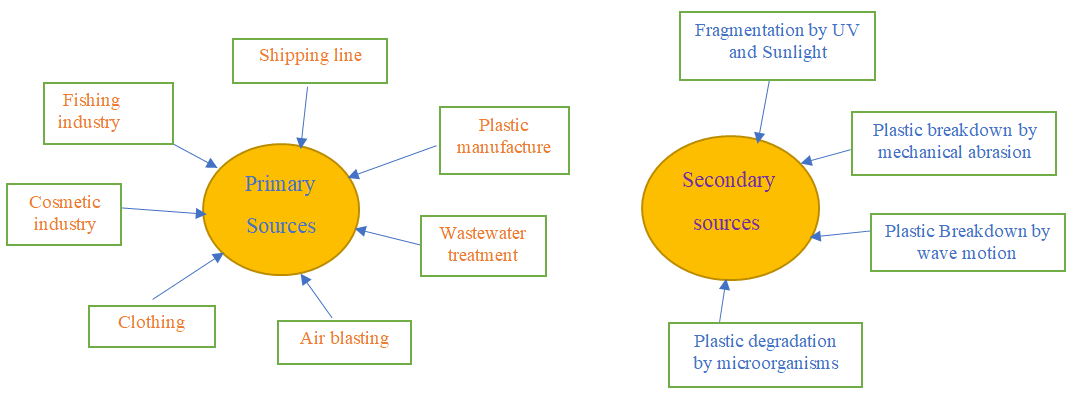
Figure 1. Sources of MNPs.
Physio-chemical characteristics of MNPs and toxicity levels could vary depending on the nature of the environment they are found in. The large surface area to volume ratio, bio-accumulative nature and persistence, and the release of chemical additives used in the synthesis of plastic materials may pose cascading impacts on living organisms [15]. The harmful effects of MNPs are mainly mechanical and or toxicological, when plastics undergo leaching, they release carcinogenic chemicals. In the case of microplastics, one of the main potential risks is being stuck in the guts of living organisms, but nano-plastics however, can easily penetrate the tissues and organs of organisms [16]. Other negative potential impacts of MNPs on living organisms in the environment include; irritation, oxidative damage, digestion impairment, change in gut microbial community dynamics, impaired fatty acid metabolism, molecular damage, and others [11]. The existence of MNPs in seafood may present a concern for food safety. However, as the assessment of microplastics' toxicity is a complex task, determining the potential risk to human health posed by MNPs is currently not feasible [17]. Table 1 summarizes some studies done on MNPs exposure to humans and animals.
There have been several attempts to bring MNP contamination in the environment under check but have not been fruitful. Drinking water treatment systems designed are unable to filter nano-plastics due to their minute nature. Another measure to bring about a reduction in plastic pollution entails minimal usage of single-use plastic materials for example plastic bottles, plastic bags, straws, and cups [18]. Therefore, a minor lifestyle change could bring about a great change in MNP contamination in the environment (Figure 1). Plastic degrading substances also potential for the reduction of plastic pollution with the use of microorganisms such as the marine fungus Zalerion maritimum and several other bacteria [19].
| Species | Study | MNP size/Exposure time | Health effect |
| Rat | Sprague Dawley rats, in vivo design | PS-MPs (100 nm, 500 nm, 1 μm, and 2.5 μm) for 3 days and intra-tracheal instillation of saline or 100 nm PS-MPs with 0, 0.5, 1 and 2 mg/200 μL for 2 weeks | • Accumulation of 100 nm and 1 μm PS-MPs in the lungs |
| • Histological alternations were found in the lung | |||
| • Increased expression of pro-inflammatory cytokines IL-6, TNF-α and IL-1β | |||
| • May induce lung inflammation. | |||
| Mice | Transgenic mice | 1-2 h inhalation of nanoparticles (Iridium and titanium dioxide NP) | • Carbon NP caused acute and transient inflammation. |
| Human | Stimulation of GIT by combining a harmonized static model and dynamic gastrointestinal sigma model, in vitro design | MPs, a single dose of digested PET MPs (0.166 g) for 72 h | •Biotransformation of PET-MPs in the GIT and colon |
| • The structure of PET-MPs appeared to be different from the original article | |||
| • Some colonic microbiota adheres to the MP surface and promotes biofilm formation | |||
| • Alters microbial colonic community composition. | |||
| Chicken | 61-day-old chicks, in vivo design | PS-MPs (5 μm), orally given at 1–100 mg/L for 6 weeks | •Pathological damage and ultrastructural changes in the heart |
| • Induced oxidative stress | |||
| • Induced myocardial pyroptosis, and cellular inflammation. | |||
| Mice | Adult male mice, in vivo design | Green fluorescent MPs (0.1 μm), orally exposed at concentrations of 0.1 mg/L and 1 mg/L for 60 days | •Induced nuclear and mitochondrial DNA damage |
| • Increased pro-inflammatory cytokines expression | |||
| • May facilitate liver fibrosis | |||
| Mice | Male mice were divided into 5 groups, in vivo design | PS-NPs (50 nm) and PS-MPs (300 nm, 600 nm, and 4 μm), were exposed to 5 mg with water for 24 h and 4 weeks | • Bioaccumulation and exacerbated biotoxicity |
| • Alternations of histomorphology | |||
| • Weight loss, increased death rate, and altered several biomarkers | |||
| • Induced oxidative stress and inflammation | |||
| Human | Human PBMCs and HMC-1 cells and murine Raw 264.7 cells | PP-MPs (∼20 μm and 25–200 μm) | • Size and dose-dependent cytotoxicity |
| • Increased ROS production | |||
| • Increased release of pro-inflammatory cytokines (IL-6 and TNF-α) | |||
| • Induced hypersensitivity | |||
| Note: PBMC: Peripheral Blood Mononuclear Cells; HMC: Human Mesothelial Cells | |||
Table 1. Some animal and human studies on micro-and nano-plastics.
Pharmaceuticals and Personal Care Products (PPCPs)
Pharmaceuticals and Personal Care Products (PPCPs) constitute a remarkably diverse collection of chemicals employed in a wide range of applications, including veterinary medicine, agricultural practices, human healthcare, and cosmetic use. Many PPCPs exhibit significant biological activity, are generally polar, often possess optical properties, and, when found in the environment, typically occur at extremely low concentrations [20]. Pharmaceuticals and Personal Care Products (PPCPs) are considered emerging pollutants that could potentially pose risks to both the environment and human health. These pollutants are increasingly prevalent in various environmental settings because they prove challenging to eliminate through conventional wastewater treatment plants. This is primarily due to their toxic nature and resistance to standard treatment methods, making them pervasive in our surroundings. Pharmaceutical and Personal Care Products (PPCPs) encompass a broad and varied array of organic compounds. This group includes pharmaceutical drugs, as well as components of everyday Personal Care Products (PCPs) like soaps, lotions, toothpaste, fragrances, sunscreens, and more. These products are used extensively worldwide and give rise to their metabolites and transformation products as well. According to Liu and Wong, Pharmaceuticals and Personal Care Products (PPCPs) comprise a wide range of organic compounds, including antibiotics, hormones, antimicrobial substances, synthetic masks, and more.
Sources and pathways of PPCPs in the environment: The presence of PPCPs in the environment has raised concerns due to their potential ecological and health impacts. One of the primary sources of PPCPs in the environment is wastewater discharge. Seaman highlights that wastewater treatment plants release a diverse array of PPCPs into surface waters. As individuals use pharmaceuticals and personal care products, these substances find their way into the sewage system. Despite treatment processes, traces of PPCPs can persist, ultimately entering rivers, lakes, and oceans. Agricultural runoff represents another significant pathway for PPCPs to infiltrate the environment. Jett et al. demonstrates that agricultural runoff can transport PPCPs from fields to nearby water bodies. In agricultural settings, PPCPs can be applied to crops or enter the soil through animal waste. When it rains, these compounds can be washed into waterways, posing a risk to aquatic ecosystems. Livestock farming plays a role in the introduction of PPCPs into the environment as well. Zheng et al. stated that livestock manure may contain PPCPs, which may leach into the soil and eventually reach groundwater. The presence of PPCPs in manure can be attributed to the use of medicated feed for animals. As manure is used as fertilizer or disposed of inappropriately, these substances can end up contaminating the environment.
The land application of bio-solids from wastewater treatment is another avenue for the accumulation of PPCPs in the environment. Tzanakakis et al. stated that bio-solids application can lead to the accumulation of PPCPs in agricultural soils. Bio-solids, which are derived from treated sewage sludge, can contain residual PPCPs. When used as a soil conditioner, these compounds can become part of the soil matrix, potentially impacting crops and groundwater. Consumer behaviors regarding the usage and disposal of PPCPs also contribute to environmental contamination. Insani et al. highlight that improper disposal of unused medications can contribute to PPCP contamination in water bodies. Flushing expired or unwanted medications down the toilet or sink can introduce these substances into the sewage system, perpetuating the cycle of PPCP pollution. The sources and pathways of PPCPs into the environment are multifaceted. These substances can enter ecosystems through wastewater discharge, agricultural runoff, livestock manure, land application of bio-solids, and consumer usage and disposal. The presence of PPCPs in the environment raises concerns about their potential impact on aquatic life and human health. Effective management and awareness of these sources and pathways are essential to mitigate the environmental risks associated with PPCPs (Figure 2).
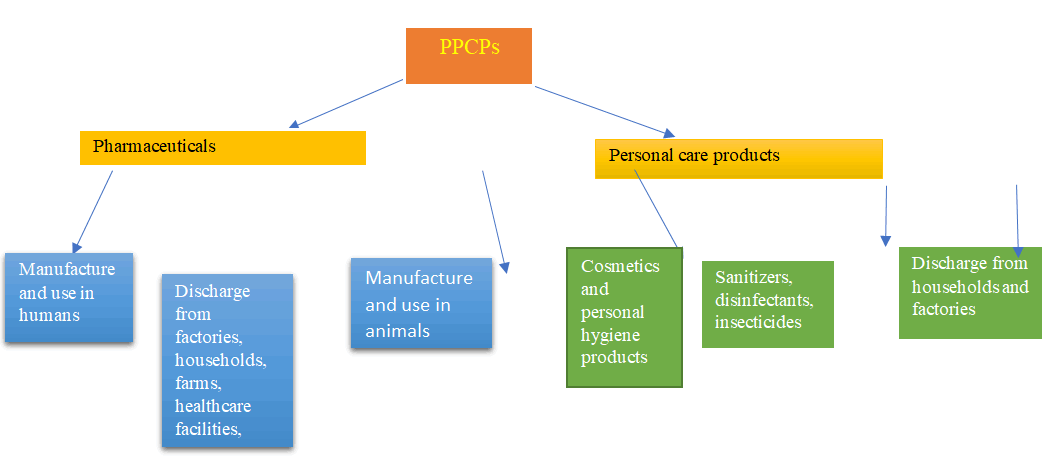
Figure 2. Sources of PPCPs.
Environmental and health implications: Pharmaceuticals and Personal Care Products (PPCPs) have become widespread contaminants in our environment, giving rise to profound environmental and health implications. The presence of PPCPs in water bodies can disrupt aquatic ecosystems, leading to altered behavior and reproduction in aquatic organisms. Wilkinson et al. have demonstrated that PPCPs can have far-reaching effects on aquatic food webs, impacting biodiversity and ecological balance. One of the concerning natures of PPCPs is their potential to bio-accumulate in organisms. Hormones and antibiotics, for example, can accumulate in fish and other aquatic species, which can then be consumed by higher trophic-level organisms, ultimately affecting entire ecosystems. Roznere et al. discuss the bioaccumulation of PPCPs in aquatic organisms and their implications for ecosystem health. The environmental presence of antibiotics, a category of PPCPs, has raised concerns about the development of antibiotic-resistant bacteria. Brown and Patel's study underscores the connection between environmental antibiotic contamination and the emergence of antibiotic resistance, highlighting the importance of addressing PPCP contamination as a public health issue. Furthermore, the chemical interactions of PPCPs in aquatic systems can lead to the formation of potentially harmful by-products. These chemical interactions can negatively impact water quality, posing risks to the health of aquatic ecosystems. Jones et al. delve into the intricate chemical interactions of PPCPs in aquatic environments and their environmental consequences. These contaminants can infiltrate drinking water sources, affecting the quality of drinking water. Johnson and Smith have reported the detection of PPCPs in drinking water supplies, prompting concerns about potential health risks associated with prolonged exposure. Certain PPCPs, particularly those classified as endocrine-disrupting compounds, can interfere with the hormonal systems of humans and wildlife. Exposure to these compounds has been linked to various health issues, including developmental abnormalities and hormonal imbalances. Smith et al. delve into the endocrine-disrupting effects of PPCPs, emphasizing the need to address these compounds' impact on human and environmental health (Table 2).
| Chemical | Concentration (ng L−1) | Exposure duration (Days) | Exposed species | Exposure effect |
| Sulfamethoxazole | 0.1 | 4 | Caenorhabditis elegans | Morphology |
| Tetracycline | 5 | 4 | Gambusia holbrooki | Biochemical |
| propranolol | 1000 | 28 | Oryzias latipes | Hormone |
| Ibuprofen | 10 | 0.0833 | Gammarus pulex | Behavior |
| Estriol | 46.5 | 15 | Oryzias latipes | Hatch |
| Trimethoprim | 10000 | 1 | Brachionus koreanus | Genetic |
| 17β-estradiol | 0.42 | 50 | Oncorhynchus mykiss | Reproduction |
| Carbamazepine | 10 | 0.0833 | Gammarus pulex | Behavior |
| Bisphenol A | 100 | 4 | Oryzias latipes | Reproduction |
| Androstenedione | 700 | 14 | Poecilia reticulata | Morphology |
| Diclofenac | 460 | 21 | Oncorhynchus mykiss | Morphology |
Table 2. Toxic effects of some PPCPs aquatic organisms.
Per and Poly-Fluoroalkyl Substances (PFAS)
Per and Polyfluoroalkyl Substances (PFAS) represent a group of synthetic chemicals characterized by their fluorinated carbon chains. According to Evich et al. PFAS are utilized in various industrial and commercial applications due to their unique water and grease-resistant properties. The PFAS family includes thousands of distinct compounds, the most renowned being Perfluorooctanoic Acid (PFOA) and Perfluorooctanesulfonic acid (PFOS). These compounds have carbon-fluorine bonds, one of the strongest known chemical bonds, making PFAS highly persistent in the environment. According to Gaines PFAS have been in use since the 1940’s, finding applications in products like non-stick cookware, waterproof clothing, food packaging, and fire-fighting foams
The prevalence of PFAS contamination has become a global concern. These substances have been detected in various environmental media such as soil, water, and air, as well as in human blood samples worldwide. According to Glüge et al. contamination often arises from industrial discharges, improper disposal of products containing PFAS, and the use of PFAS-containing fire-fighting foams. As stated by the Environmental Protection Agency (EPA), areas near manufacturing facilities, military bases, and firefighting training sites are particularly susceptible to high levels of PFAS contamination. Furthermore, PFAS can persist in the environment for extended periods, contributing to their wide distribution (Figure 3).
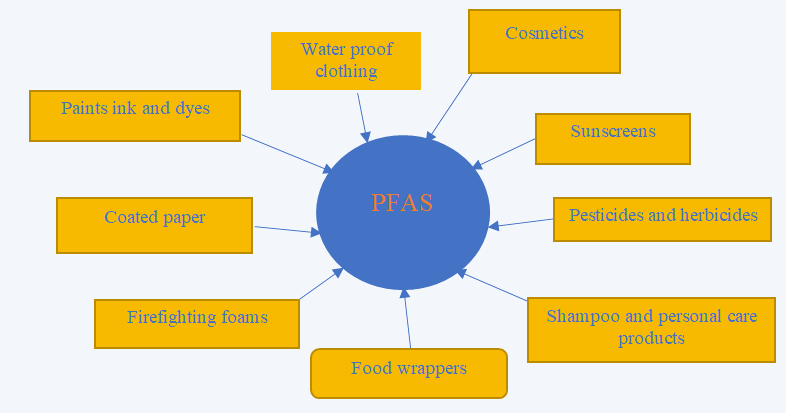
Figure 3. Sources of PFAS.
The presence of PFAS in the environment has raised significant health concerns. Studies have linked PFAS exposure to adverse health effects, including developmental issues, liver damage, immune system dysfunction, and certain types of cancer. The International Agency for Research on Cancer (IARC) classifies some PFAS as compounds that are carcinogenic to humans. In response to these concerns, regulatory bodies worldwide have begun implementing measures to monitor and control PFAS contamination. For example, the U.S. EPA has established health advisory levels for PFOA and PFOS in drinking water, while some countries have banned specific PFAS compounds or is in the process of regulating their use.
Endocrine-disrupting chemicals (EDCs)
Endocrine-Disrupting Chemicals (EDCs) represent a class of chemical compounds that have garnered significant attention in the scientific and medical communities due to their ability to interfere with the body's endocrine system. According to Diamanti-Kandarakis et al. EDCs mimic or partially mimic naturally occurring hormones like estrogens, androgens, and thyroid hormones, thereby leading to a variety of negative outcomes such as developmental issues, reproductive disorders, and neurological defects. In essence, these compounds have the potential to cause disturbances in hormone regulation, leading to serious health consequences. Among the most notorious of these compounds is Bisphenol A (BPA), which is commonly found in plastics, including water bottles and food packaging materials. Vandenberg et al. state that BPA is frequently implicated in reproductive disorders, particularly because it has estrogen-like properties. It serves as a potent example of how widespread the use of EDCs has become and how pervasive their impact can be on human health. Another group of EDCs that warrant mention is Phthalates, often used as plasticizers in a variety of products ranging from cosmetics to personal care items. According to a study by Meeker et al. phthalates have been conclusively linked with disorders of the male reproductive system among other health problems. The ubiquity of these compounds in everyday products makes them particularly insidious. The concern over EDCs extends not only to the individual compounds but also to their synergistic and antagonistic effects. As indicated by Kortenkamp the interactions between different EDCs may produce effects that are not easily predictable based on the properties of individual chemicals. This adds a layer of complexity to an already challenging public health issue.
Routes and health effects of EDCs introduction in the environment: The environmental prevalence of Endocrine-Disrupting Chemicals (EDCs) is not merely an accident but a consequence of various anthropogenic activities that introduce these chemicals into ecosystems. Understanding their routes of entry is critical for developing effective mitigation strategies. A significant route of EDC introduction into ecosystems is agriculture. According to Atwood and Paisley-Jones, the application of pesticides and fertilizers often contains compounds with endocrine-disrupting potential. Runoff from agricultural lands eventually finds its way into water bodies, spreading the effects of EDCs across various trophic levels. Heidler and Halden stated that industrial processes such as textile manufacturing and chemical synthesis often result in wastewater containing EDCs. This effluent is commonly discharged into rivers and lakes, posing a direct threat to aquatic life and entering the food web. Pharmaceuticals and Personal Care Products (PPCPs) are another significant source of EDCs. According to Daughton and Ternes compounds like ethinyl estradiol from contraceptives and various phthalates from personal care products are ubiquitous in sewage treatment plant effluents. Gaseous forms of EDCs, as reported by Khairy and Lohmann, can undergo long-range atmospheric transportation before being deposited onto land or water bodies. This explains the detection of EDCs in remote areas far from anthropogenic sources. According to Stringer and Johnston improper disposal of consumer products containing EDCs, like electronics and plastics, can lead to the leaching of these chemicals into soil and groundwater. Moreover, incineration can release gaseous EDCs into the atmosphere.
The introduction of EDCs into ecosystems has far-reaching consequences, affecting both wildlife and human populations. The pathways through which these compounds exert their influence are intricate, often involving multiple biological systems and mechanisms. Wildlife, particularly aquatic species, are highly susceptible to the effects of EDCs. According to Kidd et al. fish exposed to EDCs often exhibit skewed sex ratios, reduced fertility, and altered reproductive behaviors. Similarly, in a study by Guillette et al. alligators in contaminated lakes in Florida showed reduced phallus size and compromised immune systems, linked directly to EDC exposure. Additionally, birds of prey such as eagles and falcons have been shown to experience eggshell thinning due to exposure to DDT, an organochlorine EDC, as reported by Peakall. The threat EDCs pose to human health is equally concerning. According to the research by Zoeller et al. even low-level exposure to EDCs like Bisphenol A (BPA) can contribute to thyroid dysfunction, obesity, and cardiovascular diseases. Furthermore, as stated by Braun et al. prenatal exposure to phthalates is associated with cognitive and behavioral issues in children. A study by Vandenberg et al. also found a strong link between EDC exposure and an increased risk of breast and prostate cancer. It's important to recognize that the impacts on wildlife often serve as early warning indicators for human health risks. According to Tyler et al. the health of aquatic organisms can reflect the potential risks posed by EDCs to human populations through the food web, as aquatic species are often consumed by humans (Figure 4).
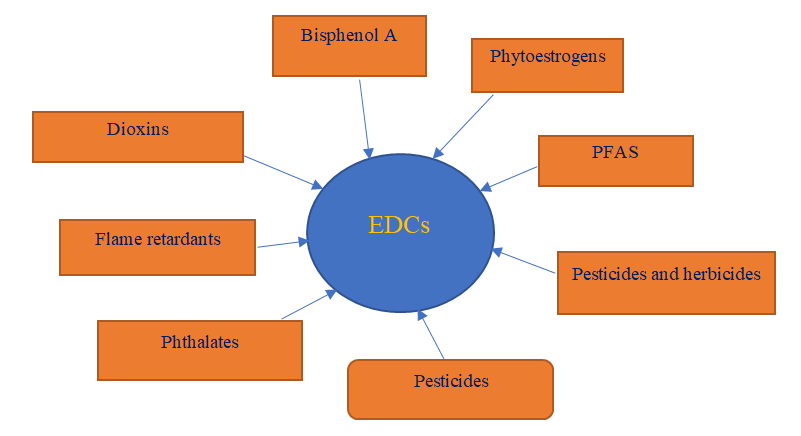
Figure 4. Sources of endocrine-disrupting compounds.
Analytical techniques for quantifying and detecting emerging contaminants in the environment
Traditional methods: The rise of emerging contaminants in various environmental matrices is a growing concern. These contaminants, including pharmaceuticals, personal care products, and industrial chemicals, pose significant ecological and human health risks. Several traditional analytical methods like Gas Chromatography (GC), Liquid Chromatography (LC), and Mass Spectrometry (MS) have proven effective in detecting and quantifying these contaminants. According to Hassan et al. gas chromatography is a highly reliable method for analyzing volatile and semi-volatile organic compounds. GC faces constraints imposed by its instrument configuration and the necessity for vaporizing samples. An additional limitation lies in its exclusive capability to analyze volatile compounds. Regular calibration is essential for GC owing to its heightened sensitivity. This method effectively analyzes samples with concentrations measured in parts per million (ppm). Its applications include the analysis of pesticides that might permeate into soils, waterways, and ecosystems and the identification and quantification of biomolecules associated with cancer. The technique involves vaporizing the sample and passing it through a column filled with a stationary phase. The volatile compounds are then separated based on their interaction with the stationary phase and subsequently detected. hyamalagowri et al. argue that GC is particularly effective
in identifying and quantifying pesticides and herbicides, which are common emerging contaminants.
Liquid Chromatography (LC), especially in its High-Performance Liquid Chromatography (HPLC) form, is widely used for separating and analyzing non-volatile or polar compounds. As stated by Richardson, LC is incredibly useful in detecting emerging contaminants like pharmaceuticals and synthetic hormones in water bodies. One of its advantages is its high sensitivity and the ability to handle complex mixtures, making it a versatile analytical method. Mass spectrometry is another pivotal analytical technique that often complements GC and LC. According to Geissen et al. MS provides a high degree of specificity and sensitivity, making it ideal for detecting even trace levels of contaminants. The technology ionizes the sample molecules and sorts them based on their mass-to-charge ratio. MS has revolutionized the field by enabling the identification of unknown and complex compounds.
Advanced analytical techniques: While traditional methods like GC, LC, and MS have provided invaluable insights into the nature and extent of environmental contamination, more advanced techniques are increasingly being utilized to gain an even deeper understanding. Among these, High-Performance Liquid Chromatography-Mass Spectrometry (HPLC-MS), Solid Phase Extraction (SPE), and Capillary Electrophoresis (CE) stand out as especially powerful tools. High-Performance Liquid Chromatography (HPLC) is employed for the analysis of non-volatile molecules. Various types of HPLC are available, enabling the separation of mixtures based on factors such as size, molar mass, and hydrophilic properties. The method's applicability is constrained by the instrument setup and its reliance on liquid or aqueous samples. HPLC is adept at analyzing samples with concentrations measured in parts per billion, a unit denoting the amount of substances in micrograms per liter. Common applications of HPLC include assessing the purity of pharmaceutical drugs during manufacturing, quantifying illicit drugs, and analyzing food and blood samples to ascertain the presence and concentration of diverse nutrients.
High-Performance Liquid Chromatography-Mass Spectrometry (HPLC-MS) is a hybrid technique that combines the separation capabilities of HPLC with the identification power of MS. According to Richardson and Ternes this method is extremely effective in the analysis of complex environmental samples containing emerging contaminants like pharmaceuticals and endocrine-disrupting compounds. Its dual nature allows for a higher level of specificity and sensitivity compared to using HPLC or MS alone. Solid Phase Extraction is often used as a sample preparation technique before other analytical methods like GC or LC. As stated by Salvatierra-Stamp et al., SPE can concentrate trace amounts of contaminants from large volumes of environmental samples, thereby increasing the detection limits. This is particularly beneficial when analyzing pollutants present in extremely low concentrations. Capillary Electrophoresis (CE) is another advanced analytical technique noted for its high efficiency and low sample requirement. According to Saleh CE is particularly useful for separating ionic species and polar compounds. Its high resolution makes it a preferred choice for detecting emerging contaminants like Per and Polyfluoroalkyl Substances (PFAS).
The application of liquid chromatography coupled with tandem mass spectrometry (LC−MS/MS) enhances the precision and specificity in identifying compounds like; glyphosate, glufosinate, and α-amino-3-hydroxy-5-methyl-4-isoxazolepropionic acid (AMPA) in water. Utilizing chemical deprotonation facilitates the separation and retention of herbicides on chromatographic columns. Despite the advantages of this quantitative technique, various sources of uncertainty, such as matrix effects, sample loss, physical and chemical interferences, and instrument detector drift, need to be considered. Using the LCMS/MS, a detection limit ranging from low nanograms per liter can be achieved. LC/MS/MS is also used to detect pesticide compounds such as azoxystrobin, trifloxystrobin, indoxacarb,fenazaquin, etc. with detection limits as low as microgram per kilogram.
Molecular biochemical approaches: In addition to traditional and advanced analytical techniques, molecular and biochemical approaches offer alternative avenues for the detection and quantification of emerging contaminants. Methods such as Enzyme-Linked Immunosorbent Assay (ELISA), Polymerase Chain Reaction (PCR), and Biosensors have been developed to specifically address contaminants of biological origin or those with bioactive potential. Enzyme-Linked Immunosorbent Assay (ELISA) is a biochemical technique primarily used to detect the presence of a ligand (commonly a protein) in a liquid sample. According to Chen et al., ELISA is a valuable tool for detecting and quantifying environmental contaminants like hormones or antibodies. This method is highly sensitive and offers high-throughput screening capabilities, making it ideal for environmental monitoring. Polymerase Chain Reaction (PCR) is a molecular biology technique used to amplify and analyze nucleic acids. As stated by Yusuf et al. PCR is often employed to detect biological contaminants such as bacteria or viruses in environmental samples. By targeting specific DNA sequences, PCR offers unparalleled specificity, making it a powerful tool for identifying pathogens or genetic markers indicative of contamination. Biosensors are devices that combine a biological component with a physicochemical detector. According to Ally and Gumbi biosensors offer real-time monitoring capabilities for a wide range of contaminants, including metals, organic compounds, and biological agents. Their high sensitivity and specificity make them ideal for environmental monitoring where rapid, reliable data collection is essential (Table 3).
| Method | Compounds detected |
Sensitivity |
Specificity |
Advantages |
Limitation |
| GC (Gas Chromatography) | Volatile Organic Compounds (VOCs) and Semi-Volatile Organic Compounds (SVOCs) |
High |
Moderate |
Wide range of applications |
Limited to volatile compounds |
| LC (Liquid Chromatography) | Non-volatile organics |
Moderate |
High |
Versatile for non-volatiles |
Requires derivatization for some compounds |
| MS (Mass Spectrometry) | Wide range, including emerging contaminants |
Very high |
High |
Highly sensitive and specific broad range of detectable compounds |
Requires skilled operation |
| HPLC-MS (High-Performance Liquid Chromatography-Mass Spectrometry) | Assessing the purity of pharmaceutical drugs during manufacturing, quantifying illicit drugs, and analyzing food and blood samples to ascertain the presence and concentration of diverse nutrients |
Very high |
Very high |
Excellent sensitivity and specificity |
High operational and maintenance cost |
| SPE (Solid Phase Extraction) | Organic contaminants |
High |
Moderate |
Concentrates low-level contaminants Preparatory step for further analysis |
Limited to certain compound classes |
| Enzyme-Linked Immunosorbent Assay (ELISA | Used to detect the presence of a ligand (commonly a protein) in a liquid sample, detecting and quantifying environmental contaminants like hormones or antibodies |
Very high |
Very High |
Simultaneous analysis can be performed without complicated sample pre-treatment Generally safe and eco-friendly |
Refrigerated transport and storage are required as an antibody is a protein |
| Polymerase Chain Reaction (PCR) | Used to amplify and analyze nucleic acids, employed to detect biological contaminants such as bacteria or viruses in environmental samples |
Very high |
Relatively low |
Ability to test for multi-drug resistance |
Its specificity is potentially lower than culturing and staining, implying an increased risk of false positives, inability to distinguish between viable and nonviable organisms |
| CE (Capillary Electrophoresis) | Ions, small organics |
High |
High |
Offers a wide range of separation modes in combination with a wide variety of detection techniques |
Sensitive to operational conditions |
Table 3. Summary of analytical methods used for detecting emerging contaminants.
Global occurrence of emerging contaminants
Emerging contaminants encompass a broad spectrum of chemicals and substances that have recently been detected in the environment but are yet to be comprehensively studied or stringently regulated. Ranging from pharmaceuticals to endocrine-disrupting chemicals and nanomaterials, substances are increasingly gaining attention due to their potential impact on ecosystems and human health. The occurrence of ECs is not uniformly distributed across the globe. Developed nations, with their extensive consumption of pharmaceuticals and personal care products, are often found to have higher levels of these substances in their environmental matrices, while developed countries have received considerable attention, emerging contaminants are no less of an issue in developing nations. Although fewer studies have been conducted in these regions, existing research indicates that inadequacies in wastewater treatment facilities often contribute to elevated levels of emerging contaminants. A substantial body of research has focused on water bodies, revealing that these contaminants pervade rivers, lakes, and oceans, sometimes even in remote locations. Besides aquatic ecosystems, these substances have also been detected in soil and sediment samples, particularly in areas that employ wastewater for irrigation. An intriguing aspect of emerging contaminants is their variation in concentration depending on seasonal factors. For example, concentrations often peak during high-tourism seasons or other periods of increased human activity. Furthermore, higher concentrations of emerging contaminants are generally observed in urban and industrial settings compared to rural environments. Understanding the distribution patterns of emerging contaminants is a linchpin for formulating effective environmental policies and management strategies. While existing research has laid the groundwork, there is a dire need for more comprehensive geographical and temporal studies to grasp the full extent of the risks posed by these contaminants.
Factors influencing the distribution of emerging contaminants
The distribution of emerging contaminants is influenced by various factors that encompass both natural and anthropogenic variables. Natural water flow plays a significant role in the distribution of these substances. Depending on the hydrological conditions of a region, contaminants can either get diluted or concentrated in certain areas, affecting their persistence and toxicity. The efficiency of Wastewater Treatment Plants (WWTPs) is another key determinant. Inefficient treatment processes may lead to the release of untreated or partially treated contaminants into the environment. Stricter regulations often result in better monitoring and hence, reduced levels of contaminants. Countries with robust environmental policies generally report lower concentrations of emerging contaminants.
Case studies of some regions affected by emerging contaminants
Research conducted in the Great Lakes region has shown the presence of pharmaceuticals and personal care products above concentrations of environmental concern. The widespread occurrence of these substances which were detected using the advanced chromatographic and mass spectrometric techniques, has raised concerns about the health of aquatic life in these freshwater bodies. In India, the Ganges River is highly polluted with a variety of contaminants detected using water sampling, chemical analysis, and microbial resistance testing, including antibiotics and heavy metals, which are contributing to antimicrobial resistance in the region. MÃ?noiu and CrÃ?ciun conducted studies on the Danube River in Europe and their studies have indicated the presence of multiple emerging contaminants including polar organic persistent pollutants, which is a concern for both human and aquatic life. These multiple emerging contaminants were spotted by employing Liquid Chromatography-Mass Spectrometry (LC-MS) in the detection. Owusu-Boateng et al. conducted a study on Lake Bosomtwi, a natural freshwater lake in Ghana. Their study has shown increasing levels of heavy metals such as arsenic and lead which were identified using Atomic Absorption Spectroscopy (AAS). Local fish species have also indicated bioaccumulation of these metals, posing a concern for both human consumption and ecosystem health.
The Korle Lagoon in Accra is one of the most polluted water bodies in Ghana. Industrial activities and indiscriminate waste disposal contribute to high levels of pollutants, including organic chemicals and heavy metals, affecting local marine life and posing potential health risks to humans. According to Clottey et al, spectroscopic and chromatographic techniques were used to identify high levels of pollutants, including organic chemicals and heavy metals.
In the Western Region of Ghana, illegal mining activities have affected the Tano River, also known as "Galamsey." Studies have revealed that environmental sampling and geochemical analysis techniques elevated levels of heavy metals like mercury and arsenic, which have severe ecological implications and could lead to chronic human health issues.
Future outlook
Anticipated trends in emerging contaminants: While advancements in technology and the production of new materials, such as nanoparticles used in consumer products, promise innovation, they also introduce new categories of contaminants. Khan et al. highlight a significant challenge: the environmental fate of these nanoparticles is not fully understood. This gap in knowledge presents a critical limitation in our ability to assess and mitigate the risks associated with these new contaminants. Richardson and Ternes discuss how advancements in analytical techniques will enable the detection of lower concentrations of contaminants. However, a key challenge here lies in interpreting these low-level detections and understanding their ecological and health implications. This broadens the scope of contamination but also introduces the complexity of dealing with trace levels of diverse contaminants. Acharyya et al. point out that increasing awareness is likely to lead to more stringent regulations. Yet, a significant limitation is the regulatory lag–the time it takes for laws to catch up with scientific understanding. This lag represents a substantial barrier to effectively managing emerging contaminants.
Lee et al. suggest, is expected to exacerbate the distribution and persistence of emerging contaminants. Changes in water flow patterns, temperature, and other environmental factors pose a challenge in predicting and managing the spread of these contaminants. Petry et al. emphasize that increased public awareness and stakeholder engagement, driven by widespread data availability and media attention, could facilitate quicker policy changes. However, the challenge lies in translating this increased awareness into effective and timely policy actions that can keep pace with the rapidly evolving nature of emerging contaminants.
Research needs and gaps in knowledge: The growing concern over emerging contaminants demands that we identify the critical gaps in our current knowledge and point out areas where further research is needed. According to Eerkes-Medrano, there is a need for holistic risk assessments that take into account not just individual contaminants but also their potential synergistic and antagonistic effects. There is a lack of a complete understanding of how emerging contaminants interact with different environmental matrices as stated by Tuan Tran et al. hence more research is needed to elucidate their environmental fate and transport mechanisms. While some short-term impacts are known, comprehensive long-term studies are relatively rare. Most of the existing data is from developed countries. There is an urgent need for more comprehensive data from low-income and developing countries where the risk is often higher, yet less studied.
The lack of complete understanding of how emerging contaminants interact with various environmental matrices underscores the need for more research in this area. In developing countries, this could be addressed by implementing field studies and localized experiments, taking into account unique ecological and geographical characteristics. The lack of complete understanding of how emerging contaminants interact with various environmental matrices underscores the need for more research in this area. In developing countries, this could be addressed by implementing field studies and localized experiments, taking into account unique ecological and geographical characteristics.
While the short-term impacts of contaminants are somewhat known, comprehensive long-term studies are scarce, particularly in low-income regions. To address this, international partnerships and funding initiatives can be promoted to support extended research projects in these countries, focusing on long-term environmental and health impacts.
The urgent need for data from low-income and developing countries can be met by incentivizing local research through grants and funding opportunities. This should be coupled with capacity-building efforts like training local researchers in advanced data collection and analysis techniques. Emerging contaminants require a multifaceted research approach. In developing regions, this can be facilitated by forming interdisciplinary research teams that include not only scientists but also local stakeholders, which can provide a more comprehensive understanding of the socio-economic and cultural aspects of contamination issues. Research is needed to guide policymakers in developing scientifically based and practical regulations. In low-income and developing countries, policy-relevant research should be encouraged, focusing on the development of affordable and implementable solutions for contaminant management.
Importance of public awareness and education: Public awareness and education play a pivotal role in addressing the issue of emerging contaminants. According to Benameuret al. public awareness can lead to early intervention and the prevention of health-related issues. People who are informed are more likely to take proactive steps, like avoiding certain products or adopting eco-friendlier practice. When communities are aware, they can take the initiative to protect their local environments. Hence these informed consumers can make choices that force industries to adjust their production practices to be more environmentally friendly.
Public awareness can lead to early intervention and prevention of health-related issues. A notable example is the "Choose Safe Products" campaign in Sweden, which educated consumers about safer alternatives to everyday products containing harmful chemicals. This initiative led to a measurable decrease in the sales of products with known contaminants. Educated citizens can significantly contribute to research and monitoring, often through 'citizen science.' For instance, the "Water Quality Watch" program in India engaged local communities in monitoring water pollution levels, resulting in valuable data collection in areas where official monitoring was insufficient. Informed public outcry can accelerate legislative measures. A case in point is the "Clean Waterways Act" in Florida, USA, where public demand following widespread algal blooms led to stricter regulations on wastewater treatment and agricultural runoff. Education and awareness at the community level can result in collective action. The "Green Neighborhoods" project in Nairobi, Kenya, empowered local communities to monitor and report industrial pollutants, improving environmental regulations enforcement. Informed consumers can influence industrial practices. An example is the "Eco-Label" initiative in the European Union, where public demand for environmentally friendly products resulted in industries adopting more sustainable practices. Public awareness and education are crucial for comprehensive solutions to the problem of emerging contaminants. Ignorance in these matters can significantly hinder public health and environmental sustainability. The more informed the public is, the more effectively they can contribute to making a difference.
The subject of global emerging contaminants is gaining prominence due to the immediate and long-term threats they bring to human health and the environment. Their omnipresent nature and potentially harmful impacts make it imperative to detect and quantify them promptly. In this continuous battle, advanced analytical methodologies are frontline instruments. They allow us to detect, identify, and comprehend these contaminants, supporting the development and implementation of appropriate remediation techniques. This article has underscored the growing prominence of global emerging contaminants and their immediate and long-term threats to human health and the environment. We have highlighted a diverse range of these contaminants, from pharmaceuticals and personal care products to industrial chemicals, emphasizing their ubiquitous nature and potentially harmful impacts. One of the main contributions of this work is the exploration of various analytical methodologies that stand at the forefront in this continuous battle against emerging contaminants. These methodologies, range from traditional techniques like Gas Chromatography (GC), Liquid Chromatography (LC), and Mass Spectrometry (MS), to advanced techniques like High-Performance Liquid Chromatography-Mass Spectrometry (HPLC-MS), Solid Phase Extraction (SPE), and Capillary Electrophoresis (CE), are pivotal in detecting, identifying, and understanding these contaminants. They are instrumental in supporting the development and implementation of effective remediation techniques.
Furthermore, our discussion has revealed the critical role of a multidisciplinary approach in addressing the challenges posed by emerging contaminants. This approach not only encompasses the development and application of advanced analytical techniques but also integrates insights from fields such as environmental science, public health, policy making, and community engagement. Tackling the complex issue of emerging contaminants requires collaborative efforts from scientists, engineers, policymakers, and the public. This comprehensive approach is essential for developing effective management strategies, influencing policy decisions, and ensuring a sustainable and healthy environment.
The authors declare no conflict of interest.
Authors EB and LO: Planned the manuscript, collected data, and wrote the first draft.
Authors EB, LO, and SOAA: Helped in editing, revising, and re-writing the final manuscript.
Author EB: Supervised the entire work.
This research received no funding.
Data will be made available on request.
[Google Scholar] [PubMed]
[Crossref] [Google Scholar] [PubMed]
[Crossref] [Google Scholar] [PubMed]
[Crossref] [Google Scholar] [PubMed]
[Crossref] [Google Scholar] [PubMed]
[Crossref] [Google Scholar] [PubMed]
[Crossref] [Google Scholar] [PubMed]
[Crossref] [Google Scholar] [PubMed]
[Crossref] [Google Scholar] [PubMed]
[Crossref] [Google Scholar] [PubMed]