
Research & Reviews: Journal of Medical and Health Sciences
 Menu
MenuISSN: 2319-9865
ISSN: 2319-9865
Nikita Kumar1, Sonali Soumyashree2*, B. Maithili Dutta Pradhan2
1Department of Physiotherapy, G.D. Goenka University, Gurugram, Haryana, India
2Department of Health and Wellness, Sri Sri University, Cuttack, Odisha, India
Received: 26-Oct-2024, Manuscript No. JMAHS-24-151134; Editor assigned: 29-Oct-2024, Pre QC No. JMAHS-24-151134 (PQ); Reviewed: 12-Nov-2024, QC No. JMAHS-24-151134; Revised: 07-Mar-2026, Manuscript No. JMAHS-24-151134 (R); Published: 14-Mar-2026 DOI: 10.4172/2319-9865.15.1.001
Citation: Kumar N, et al. Investigating the Efficacy of surface Electromyography (sEMG) in Hand Rehabilitation for Stroke Survivors: A Narrative Review. RRJ Med Health Sci. 2026;15:001.
Copyright: © 2026 Kumar N, et al. This is an open-access article distributed under the terms of the Creative Commons Attribution License, which permits unrestricted use, distribution and reproduction in any medium, provided the original author and source are credited.
Visit for more related articles at Research & Reviews: Journal of Medical and Health Sciences
Background: Stroke ranks as the second or third leading cause of death and is a major cause of adult disability. Hand strength deficits, including finger, grip, and pinch strength, are significant. Muscle disuse atrophy leads to reduced muscle fiber size, and sarcopenia, the loss of muscle mass in older adults, is common. Despite rehabilitation, about 60% of stroke survivors do not fully regain arm and hand function, resulting in ongoing activity limitations and reduced quality of life. These individuals often lack voluntary movement for independent task practice or daily use of the affected limb. This review examines sEMG signals in hand muscles of stroke survivors and compiles data on sEMG use in their rehabilitation.
Methodology: A literature search was carried out in PubMed and EBSCO for all studies that reported use of surface Electromyography (sEMG) for hand rehabilitation in stroke patients. Selected articles were published in English.
Result: Overall 185 papers were found of which 13 were included in the final review. 8 studies used EMG as a treatment procedure and 2 studies used EMG as an outcome measure to check the muscle activation pattern.
Conclusion: sEMG can be used as an effective rehabilitation tool in the field of neuro physiotherapy to improve the hand muscle function following stroke.
Surface electromyography; Stroke patients/Hemiplegia; Hand muscles
Heart disease, stroke is global health-care challenge because of their serious and disabling nature. Nonetheless, it ranks among the top two or three causes of death and a major contributor to adult disability in the majority of these nations [1]. It is a sudden neurologic deficit of vascular origin that last more than 24 hours according to Ortiz et al. [2].
The disease affects about 17 million people worldwide every year. Nearly 85% of stroke is ischemic type and remaining 15% are haemorrhagic [3]. The most prevalent classification is the Trial of Org10172 in Acute Stroke Treatment (TOAST) that identifies stroke due to large vessel disease, embolism owing to cardiac dysfunctions, vascular obstructions and stroke due to any other aetiology [4].
When a vessel is occluded, neurons die from lack of blood supply and thus no oxygen, nutrients to sustain life force or elimination of metabolic wastes leading to ischemic stroke with necrosis (Irreversible) [3].
Vertebral Artery (VA) and its branches are frequently occluded due to dissection or atherosclerosis, leading mostly into infarction in the medulla or inferior cerebellum. Brain-stem infarct secondary to Vertebral Artery (VA) dissection is a previously unreported phenomenon among patients younger than 45 years of age [5].
Surface electromyography can be defined as a non-invasive approach of measuring the muscle activity through the use of surface electrodes, which are placed on the skin surface overlying a muscle or muscles [6].
Neuromuscular functioning can also be studied physiologically and clinically with surface electromyography. In research on posture, motor control, and movement, one of the factors that is most commonly evaluated from surface electromyography recordings is the beginning of muscle activity [7]. Accurately detecting the start of voluntary muscular contraction is also necessary for designing active control, especially for the real-time myoelectric control system [8-10].
sEMG originated in the mid-1600’s, when Francesco Redi observed that a highly specialized muscle was the source of the electric discharge in fish. Over time, scientists began to use SEMG more frequently for studying both regular and abnormal muscle function [7].
The envelope, rectified value, and root mean square of the EMG time series are only a few of the parameters linked to the amplitude of the EMG signal that have been the subject of numerous computerised approaches that have been proposed for determining the onset time of muscle activity [9,11-13].
Disability is mainly caused by stroke, ranking as the third leading factor [14]. Studies show that weaknesses in hand strength, such as finger, grip, and pinch strength, can be particularly severe [15]. Research studies on the index finger show losses exceeding 75% [16]. A decrease in muscle fiber size is the main feature of muscle disuse atrophy. Sarcopenia, the decrease in older adults' muscle mass, is a common result of getting older [15-17]. Approximately 60% of people do not regain full arm and hand function after rehabilitation, leading to continued limitations in activities and decreased quality of life [18]. These individuals lack the ability to move their affected arm and hand voluntarily for repetitive task practice or to use them in daily activities to aid in motor recovery [19].
This review aims to study the sEMG signals activating muscles of hand in stroke survivors and to collect all relevant data available on use of sEMG activity on hand muscles in stroke patients.
Criteria for selecting studies for review
To be selected for this reviews all studies have to be full text clinical reports, they must have included at least 6 months old stroke patients, the study must have Surface EMG included in the study, the study must have been conducted on the hand Muscles and the study must be from the year 2015 to 2020. No limitations were made based on the language. Studies that were excluded from this review are:
• Non-clinical reports.
• Study conducted with any other neurological disorder other than stroke.
• Studies involving sEMG in U/E other than hand muscles, sEMG for gait.
• Studies before 2015.
Data collection and analysis
A systematic search of the body of extant literature (up to February 14, 2021) was conducted using the PRISMA guidelines and the electronic databases PubMed "(http://www.ncbi.nlm.nih.gov./sites/entrez)" and EBSCO. The keywords used to search the database were as follows: Surface electromyography, stroke patients/Hemiplegia, hand muscles.
For the search criteria articles from 2015-2021 were selected. A third reviewer was available in the event that a consensus could not be reached by the two reviewers who helped select the relevant studies. Based on the title and abstract, a selection of pertinent research was created by searching the electronic databases. The complete texts of these studies were examined in light of the inclusion criteria whenever feasible. We looked through the listed papers' references to find any additional pertinent studies.
Each included study's methodological quality was assessed by two independent reviewers using a modified version of Black and Down's Criteria [14]. Parameters were taken for analysing the methodological quality of studies. Studies with methodological quality above 60% were included in this review. We expected that the majority of studies would have used a randomized controlled trials or case control design.
Only the criteria that applied to the study design were taken into account when calculating the overall quality score. All of the criteria that were met for each reviewed study were added up to create a total score, which was then converted into a percentage.
EBSCO host (limited to humans) and PubMed revealed 66,119 publications, respectively, with a total of 185 results. After removing the duplicates 173 studies were screened for inclusion exclusion criteria. After applying the inclusion criteria, eighteen studies that were relevant were found. Of these eight investigations, one examined the sEMG activity in the extensor and flexor muscles of the wrist. 2 studies focused on sEMG driven robotic hand functions and 1 study investigated sEMG combined with VR training in improving hand muscles in stroke patients. After reviewing the methodological quality, 13 studies scored above 60% and were selected for the review.
Figure 1 shows how the selection process is displayed.
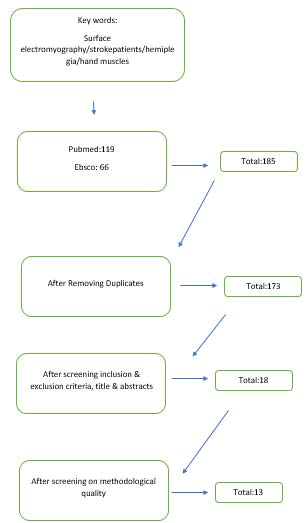
Figure 1. Flow chart for selection criteria.
Characteristics of included studies
Every individual involved in the research had stroke of at least 6-month duration with impairment of hand muscle function. The number of participants ranged from 12-48. All of the studies compared affected hand muscle activity via sEMG with conventional PT training. One study developed sEMG driven robotic hand and one study compared sEMG VR training with conventional PT. The characteristics of the study are outlined in Table 1.
| S. no. | Author | Participant characteristics | Intervention/Task | Comparison |
Muscles |
Independent variables |
| 1 | Gamez, et al. | Forty participants were chosen from the hospital's neurological service. | With subjects seated sEMG electrodes palced on lat. Epicondyle and ant aspect of wrist. sEMG activity was carried by Neurotrans Myoplus 2 pro system. | Elastic band exercises for strengthening the wrist and finger extensor muscles, as well as self-assisted and active wrist extension exercises. 30 minutes for hand 7 30 minutes for foot, total 1 hour. |
Extensor muscles of finger and wrist. |
The upper extremity Fugl-Meyer Assessment (FMA-UE), DWMT, LT, KMMT. |
| 2 | Vinstrup, et al. | Total of 18 (11 men and 7 women ) | Resistance exercises for finger flexion and extension to the pareitic hand. | Paretic vs. non pareitic hand Muscle vs. resistance Exercise vs. resistance |
Flexor Digitorum Superficialis (FDS) and Extensor Digitorum (ED) muscles. |
MVCs |
| 3 | Gao, et al. | 12 subjects, 7 in control group and 5 in experimental | Thirty trials (2 hands × three tasks × five repeats) for each individual, grasping tasks at 5 kg, 10 kg force level, and elbow flexion. | Coupling of EEG and EMG. |
radial wrist flexor, ulnar wrist flexor, brachioradialis muscle, Flexor Digitorum Superficialis (FDS), Musculus Biceps Brachii (MBB), and triceps. |
VS-STE (Symbolic transfer entropy), significant area (coupling strength) |
| 4 | Kirac, et al. | 33 patients with acute /subacute stroke. | Task-oriented training in conjunction with EMG-triggered ES for the afflicted hand+ conventional physical therapy. | Conventional PT: “Proprioceptive neuromuscular facilitation approaches, the Brunnstrom approach, the Bobath approach, and therapeutic exercises” (20 sessions). |
Extensor carpi radialis, extensor digitorum. |
“Action Research Arm Test (ARAT)”, “Motor Functional Independence Measure (motor FIM)”, The Brunnstrom recovery stages, Grip strength, “Stroke Impact Scale 3.0 (SIS)”. |
| 5 | Qian, et al. | 28 stroke and 12 healthy individuals | IMU-based measurement system while doing ARAT. | Non-hemiplegic/non dominant hand |
Wrist extensors. |
Action Research Arm Test (ARAT) and arm kinematics. |
| 6 | Kim, et al. | Total patients-20 Subjects were assigned to two groups (intervention and control group, 10 subjects each. |
20 sessions of intense upper limb training, five sessions per week, one session per day, with assistance from the NMES robot system. | Stretching muscles, passive and assisted range of motion, and occupational therapies including eating and grooming. |
Biceps brachii, triceps brachii, flexor carpi radialis, extensor carpi ulnaris. |
Action Research Arm Test (ARAT), FIM, MAS. |
| 7 | Jochumsen, et al. | Sixteen stroke patients, one female were recruited from the study. | Closing and opening the hands, extending and flexing the wrists, pronating, supinating, grasping laterally, pinch grasping, and resting with electrodes placed | In healthy individuals. |
“Extensor Carpi Radialis, Flexor Carpi Radialis, and Flexor Carpi Ulnaris” |
ARAT |
| 8 | Hsu, et al. | 21 patients total | Robotic therapy+ conventional PT | Conventional Pt |
As outcome measure for wrist extensors and flexors. |
sEMG, FMA |
| 9 | Zadmia, et al. | 14 (10 healthy, 4 stroke) | In hemiplegic hands, moving the wrist joint from fully flexed to fully extended. | Wrist flexion to extension in hemiplegic hand. |
Wrist extensor and flexor muscles. |
“Root Mean Square (RMS), average linear envelopes, peak, Zero Crossing Rate (ZCR), Median Frequency (MDF), Mean Frequency (MNF), and wavelet coefficient.” |
| 10 | Meng, et al. | 12 stroke patients | EMG driven VR training on stroke patients. | Conventional pt training. |
Wrist flexor and extensor muscle. |
EMG analysis pre-test 7 post-test. |
| 11 | Murguialday, et al. | 48 right handed and 6 left handed chronic stroke patients with no active finger extension. | sEMG during FMA testing of six different forearm and upper arm movements: | Decoding muscle activity that which is the prime muscle performing the movement. |
“Extensor carpi ulnaris, extensor digitorum, on the flexor carpi radialis, palmaris longus, flexor carpi ulnaris (flexion), long head of the biceps (flexion), the external head of the triceps, anterior portion of deltoid muscle, lateral portion of deltoid muscle and posterior portion of deltoid over the teres minor and infraspinatus muscle.” |
MATlab |
| 12 | Hameed, et al | 12 (6 healthy, 6 stroke) | The amplitude-independent rhythm, known as FLA-MSE, was observed during a series of 20 hand closings and 20 hand opens. | The processed and purified surface electromyography (sEMG) signals, the Teager-Kaiser energy operator, and the combined profile. |
Flexor Carpi Ulnaris. |
FLA MSE algorithm |
| 13 | Repnik, et al. | 28 post stroke patients+12 healthy individuals | EMG recordings taken from stroke patients during ARAT and healthy individuals | Dominant and non-dominant hands. |
Hand, wrist, upper arm and one on the sternum. |
ARAT subtests |
Table 1. Characteristics of the studies included.
Methodological quality
As a result, only 11 of the studies that were examined had sample sizes smaller than twenty, which could reduce the statistical power. Three studies with excellent methodological quality and ten with low methodological quality were identified by the modified downs and black ratings. Five papers were removed from further examination after receiving a score of less than 60%.
sEMG comparisons characteristics
Out of 13 studies, 8 studies recorded sEMG signals from wrist muscles in seated positions or during specific hand activities. FMA and ARAT scales were used in all 8 studies as an outcome measure to detect the muscle activation pattern comparison between paretic and non-paretic hand. 2 studies used sEMG as an outcome measure. 1 study compared robotic therapy with conventional physiotherapy and the other study compared VR training to robotic therapy.
One study divided the patients into moderately severe, severe and very severe category and using sEMG decoded that sEMG detected better hand muscle activity in severe group, however there was not much hand activity difference between the severe and very severe group.
One study used an algorithm-based deduction to find correlation between EEG and EMG activity and gave us idea on which muscle to use to activate the respective brain regions.
One study measured upper limb and trunk movement while executing ARAT motor tasks with a sEMG device.
The aim of this review was to establish and collect relevant information related to use of sEMG in stroke patients and draw findings of sEMG activity of hand muscles in stroke patients. The exact use and purpose of sEMG activity on hand muscles in stroke patients is still unknown, whereas improving hand muscles following stroke still tend to remain as a challenge for the therapists worldwide. There is evidence that following stroke some residual hand muscle function remains [20] and sEMG can be an effective tool in improving the hand muscle function.
sEMG in stroke and hand muscle kinematics
This review was conducted for studies done on stroke patients with at least 6 months of injury. A total of 13 studies with 335 participants were reviewed in this study. Out of 13 studies 9 studies included stroke patients and 9 out of 5 studies had aetiology of middle cerebral artery stroke. 3 studies included stroke patients in experimental group and healthy individuals in control group. One study was confined only to stroke in elderly individuals. All the individuals with stroke had hand muscle affected which was tested by Fugl-Meyer Assessment for Upper limb function (FMAU) or Arm Reach Test (ARAT).
13 stroke patient sEMG studies examined hand muscle function. Hand muscular function is impaired after stroke due to stiffness and UMN damage. Restoring hand function after stroke is the hardest for physiotherapists. Up to 74% of stroke victims need continuing assistance with daily tasks [21]. Additionally, approximately 50% of patient’s experience difficulties with the movement and function of their upper limbs and hands [22]. Many standard procedures like resistance band and dynamometer strengthening have been used in the near future, but the results are unsatisfactory. Surface Electromyography (sEMG) improves muscle strength and function in stroke-induced brain damage patients [23]. This review aims to examine the advantageous impacts of surface Electromyography (sEMG) on enhancing hand muscle functionality in individuals who have experienced a stroke.
Studies suggest that sEMG improves hand muscle function in older stroke patients and people. Improved hand and foot functions need improved extensor and flexor muscle function, although in older persons, self-care and independence are more important. Gamez et al. found that sEMG biofeedback outperforms EMG. Traditional Electromyography (EMG) activates a muscle using an electrical stimulation depending on the EMG signal [23]. In contrast, biofeedback converts EMG data into visual and/or aural signals to help patients track their muscular activity. This allows stroke survivors to control their muscles voluntarily since brain injury prevented it. The researchers assessed hand muscle function in both groups using the Barthel Index. Their ability to do these activities improved, with sEMG-B showing the greatest improvement. This is presumably due to superior upper limb progress compared to the control group [23]. This may explain sEMG group muscle function enhancement. Thus, sEMG biofeedback can improve hand muscle performance in clinical settings.
In stroke patients, sEMG is increasingly relevant for robotic hand device control. sEMG controls robotic arms with algorhythms. Robotic technologies improve stroke patients' hand muscle functioning and ADLs faster. Rehabilitation robots use various electric motors to help human therapists perform tough physical training. Surface Electromyography (sEMG) data can be easily accessed via surface electrodes and offer authentic movements for robotic hand devices [23].
sEMG has also helped post-stroke patients choose which hand muscle-activating exercise works best. Vinstrup et al. found that finger flexion exercise activated the hemiplegic hand's finger flexors and extensors better than extension exercises. Surface Electromyography (sEMG) showed finger-extension muscles were also activated. This study may have been affected by finger flexor spasticity, which makes hand extension harder in hemiplegics [24]. Thus, this practice may be used in chronic stroke therapy to improve hand and finger function. In stroke patients, finger flexion exercises co-contract the Flexor Digitorum Superficialis (FDS) and Extensor Digitorum (ED) muscles. Surface Electromyography (sEMG) allows us to construct and modify programs for individual patients depending on the muscles that show activation [24].
Hameed et al. studied a robotic arm algorithm. The researchers compared amplitude independent and dependent methods for detecting stroke survivors' low muscle activity. Low Signal-to-Noise Ratio (SNR) and increased EMG signal sensitivity are the main concerns with amplitude-dependent muscle dysfunction in the hemiparetic hand. To fix this, use amplitude-independent muscle activity detection. These approaches detect tiny muscle movements more reliably and with fewer false alarms. This study found that the amplitude independent algorithm detected more muscle activation during 20 hand openings and 20 hand closings [25].
Surface Electromyography (sEMG) struggles to operate robotic devices in stroke survivors due to signal amplitude fluctuations produced by electrode-skin interaction and ground reference shifts. This study compared the amplitude-independent FLA-MSE algorithm to three typical amplitude-dependent methods for robotic hand device control. Quiyang et al. found that an integrated EMG-driven NMES-robot training system improved hand muscle in post-stroke patients [26].
The EMG-driven robotic system could perform elbow extension, synchronised wrist extension, hand open, and wrist flexion. This technology allows physiotherapists to detect weak muscle activation in real tie using amplitude independent algorithms like Arduino microcon trollers. In the early stages of stroke, traditional rehabilitation therapy plus upper limb training with the EMG-driven NMES-robotic system can improve motor function in stroke patients' impaired upper limbs.
In stroke survivors, movement intentions may be distinguished from inactive conduct with 80% accuracy. Jochumsen's study accurately identified and categorised nine hand/forearm motion groups with 79 ± 12% and 80 ± 12% accuracy. Identifying weak and spastic muscles and enhancing them is decoding motions. By placing surface Electromyography (sEMG) electrodes on hand muscles and performing hand motions, we can immediately assess muscle function [27].
EEG and sEMG can coordinate the peripheral nervous system, which controls muscles, and the central nervous system, which controls brain areas. EEG and EMG were first linked during exercise by Conway et al. Beta frequencies are associated with mild-to-moderate isometric contraction, while lower gamma frequencies regulate higher muscle force output and dynamic motions. EEG-EMG signal coupling analysis uses symbolic and Transfer Entropy (TE). Gao et al. examined post-stroke EEG and EMG coupling to distinguish corticomuscular mapping from healthy individuals. Stroke patients' EEG-to-EMG Signal Transfer Entropy (STE) increased during movement. This increase in STE suggested that post-stroke patients sent more motor cortex information to muscles when performing the same movement than healthy individuals. To move steadily, post-stroke patients needed sensory motor cortex, auxiliary exercise area, pre-exercise area, and ipsilateral posterior parietal cortex activation. Electromyography (EMG) to Electroencephalography (EEG) Short-Term Excitability (STEs) during all motor activities was higher in the patient group than the control group. Motor function region injury may impair motoneuron and motor cortex activation, increasing STEs. The study found that beta and gamma frequency bands control upper and lower limb movement. Upper extremity surface electromyography (sEMG) may improve neural plasticity in specific brain regions, improving hand muscular performance [28].
Electromyography (EMG)-triggered Electrical Stimulation (ES) of the paretic hand is gaining popularity as a therapeutic method in stroke rehabilitation [29-33]. This neuromuscular Electrical Stimulation (ES) stimulates the weakened muscle when its muscle activity reaches a threshold. Device electrical stimulation causes paretic muscle motion. Electromyography (EMG)-triggered Electrical Stimulation (ES) therapy may help stroke patients improve hand function by voluntarily engaging stroke-damaged muscles. Kirac et al. compared EMG task-oriented physiotherapy to standard methods. The results showed that electromyography-triggered Electrical Stimulation (ES) improved grip strength and quality of life for stroke patients. Therefore, Electromyography (EMG)-driven electrical stimulation can improve stroke survivors' functional outcomes [34].
Motor impairments in the upper extremities have a significant impact on the ability to perform daily activities independently and on the overall satisfaction with quality of life in approximately 50-70% of stroke patients [35]. Stroke recovery should include upper limb motor function rehabilitation. Neuro-rehabilitation, which repeats exercises during therapy, may improve motor recovery. Therapists and guided sessions may be scarce due to staffing levels [36]. Robotic-aided rehabilitation, a motor learning technique enhanced with technology, helps patients develop efficient encoding processes. Hsiu-Yun Hsu compared robotic-driven therapy to conventional therapy using sEMG. Thus, sEMG can assess muscle function after exercise in clinical settings. Therefore, we can regularly assess our exercise program [37].
A study found that severe and long-lasting stroke patients still have muscle activity in their weakened muscles. Six movements and rests show this activity, indicating that nerve connection is preserved despite upper limb impairment. Biofeedback from sEMG can improve hand muscle function. In addition, we can use these signals to control rehabilitation equipment, assistive robots, and functional electrical stimulation daily [34].
sEMG is also driving virtual reality training for stroke patients. EMG signals can reflect limb muscle activity, including movement intention and function, and are widely used in stroke rehabilitation due to their real-time interaction, skin non-invasiveness, safety, and convenience. After extracting the local entropy feature of wavelet packet and pattern recognition, sEMG and virtual reality rehabilitation training system can accurately detect subjects' subjective motion intentions. This proves that EMG-controlled rehabilitation training can help subjects recover independently [37].
In this review, we covered various aspects of stroke sEMG. In conclusion, sEMG in stroke improves hand muscle function by detecting muscle activation, driving the robotic system, and coordinating with VR. As well as detecting weak and spastic muscle activity, sEMG can also determine hemiparetic hand exercises.
Limitations of this study were data available was less and time available was less.
Real-time muscle activation feedback from surface Electromyography (sEMG) improves neurorehabilitation planning. This review finds sEMG effective for post-stroke hand muscle function and robotic and VR training, but long finger flexors and spasticity need more research. Research is needed to fully understand sEMG's neurophysiotherapy potential.
Conceptualization: SS and NK; Methodology: SS, BMDP; Software: SS; Validation: BMDP and NK; Formal analysis: SS; Investigation: BMDP; Resources: SS, BMDP, NK; Data curations: BMDP; Writing-original draft preparation: SS; Writing-review and editing: BMDP and NK; Visualization: SS; Supervision: BMDP; sroject administration: NK. All authors have read and agreed to the published version of the manuscript.
None.
Not applicable.
No new data were created.
None.
The authors declare no conflicts of interest.
[Crossref] [Google Scholar] [PubMed]
[Crossref] [Google Scholar] [PubMed]
[Google Scholar] [PubMed]
[Crossref] [Google Scholar] [PubMed]
[Crossref] [Google Scholar] [PubMed]
[Crossref] [Google Scholar] [PubMed]
[Crossref] [Google Scholar] [PubMed]
[Crossref] [Google Scholar] [PubMed]
[Crossref] [Google Scholar] [PubMed]
[Google Scholar] [PubMed]
[Crossref] [Google Scholar] [PubMed]
[Crossref] [Google Scholar] [PubMed]
[Crossref] [Google Scholar] [PubMed]
[Crossref] [Google Scholar] [PubMed]
[Crossref] [Google Scholar] [PubMed]
[Crossref] [Google Scholar] [PubMed]
[Crossref] [Google Scholar] [PubMed]
[Crossref] [Google Scholar] [PubMed]
[Crossref] [Google Scholar] [PubMed]
[Crossref] [Google Scholar] [PubMed]
[Crossref] [Google Scholar] [PubMed]
[Crossref] [Google Scholar] [PubMed]
[Crossref] [Google Scholar] [PubMed]
[Crossref] [Google Scholar] [PubMed]
[Crossref] [Google Scholar] [PubMed]
[Crossref] [Google Scholar] [PubMed]
[Crossref] [Google Scholar] [PubMed]
[Crossref] [Google Scholar] [PubMed]
[Crossref] [Google Scholar] [PubMed]
[Crossref] [Google Scholar] [PubMed]
[Google Scholar] [PubMed]
[Crossref] [Google Scholar] [PubMed]
[Crossref] [Google Scholar] [PubMed]