
Research & Reviews in Pharmacy and Pharmaceutical Sciences
 Menu
Menue-ISSN:2320-1215 p-ISSN: 2322-0112
e-ISSN:2320-1215 p-ISSN: 2322-0112
Dagne Tesfaye Mengistie1*, Buzuneh Tesfa Marine2
1Department of Statistics, College of Natural and Computational Science, Jigjiga University, Jigjiga, Ethiopia
2Department of Epidemiology, Faculty of Public Health, Jimma University, Jimma, Ethiopia
Received: 08-Aug-2024, Manuscript No. JPPS-24-144983; Editor assigned: 12-Aug-2024, PreQC No. JPPS-24-144983 (PQ); Reviewed: 26-Aug-2024, QC No. JPPS-24-144983; Revised: 14-Mar-2025, Manuscript No. JPPS-24-144983 (R); Published: 21-Mar-2025, DOI: 10.4172/2320-1215.14.1.001
Citation: Mengistie DT, et al. Predicting Time to Death of Children under Five Year with Acute Pneumonia in Jigjiga University Referral Hospital: Bayesian Parametric Survival Approach. RRJ Pharm Pharm Sci. 2025;14:001.
Copyright: © 2025 Mengistie DT, et al. This is an open-access article distributed under the terms of the Creative Commons Attribution License, which permits unrestricted use, distribution and reproduction in any medium, provided the original author and source are credited.
Visit for more related articles at Research & Reviews in Pharmacy and Pharmaceutical Sciences
Background: Pneumonia is one of the most common causes of death and serious illness among children below the age of five in under developing nations, including Ethiopia. However, there is a scarcity of data on this dangerous condition among particularly sensitive and vulnerable children living in urban environments. Establishing the proportion of cases of pneumonia as well as understanding the risk factors can be crucial for successful prevention and reaction.
Methods: A retrospective cohort analysis was carried out, with 451 child pneumonia patients from Jigjiga University reference hospital provided as samples. The Cox proportional hazard model, the parametric AFT model, and the Bayesian parametric survival model have been applied, each of which employed a different model selection approach.
Results: Among covariates, female pneumonia patients had an acceleration factor of 1.48 with (95% CI: 0.556, 0.741), co-morbidity had an acceleration factor of 1.26 with (95% CI: 0.740, 1.416), severe acute malnutrition had an acceleration factor of 0.26 with (95% CI: 1.609, 6.890), and anemia status had an acceleration factor of 0.89 with (95% CI: -1.1, -0.5357). On the basis of DIC, the Bayesian lognormal parametric model was selected.
Conclusion: At a 5% level of significance, sex, residency, comorbidities, Severe Acute Malnutrition (SAM), age, anemia status, delivery palace, season, and weight were all strongly associated with the patient's overall survival time. In all health facilities, physicians, clinicians, and health extension workers need to concentrate on preventing anemia, severe acute malnutrition, morbidity, and mortality from pneumonia through the delivery of health promotion to the community based on the understood risk factors.
Acute pneumonia; Bayesian approach; MCMC iteration; Cox PH model; AFT model
AFT: Accelerated Failure Time; CI: Confidence Interval; DIC: Deviance Information Criteria; LOHS: Length of Hospital Stay; MCMC: Markov Chain Monte Carlo; PH: Proportional Hazard; SAM: Severe Acute Malnutrition; SD: Standard Deviation
Several background of study
Pneumonia is a respiratory infection that affects the lungs. It can be caused by bacteria, viruses, or fungi. Pneumonia causes inflammation in the air sacs in the lungs, which can cause them to fill with fluid or pus, making it difficult to breathe. Symptoms of pneumonia include cough, fever, chest pain, shortness of breath, fatigue, and sweating. Pneumonia can be a serious and life-threatening condition, especially in young children, older adults, and people with weakened immune systems. Treatment for pneumonia typically involves antibiotics or antiviral medications, along with supportive care to manage symptoms and promote recovery. Vaccines are also available to help prevent certain types of pneumonia. Acute pneumonia remains a significant cause of mortality among children under five years old, particularly in low and middle-income countries. Timely intervention and appropriate management are crucial in reducing the mortality rate associated with this condition. Predicting the time to death for children with acute pneumonia can aid in allocating resources and providing targeted medical interventions.
Pneumonia is especially common in Sub-Saharan Africa and South Asia; in 2015, six countries India, Nigeria, Pakistan, The Democratic Republic of the Congo (DRC), Ethiopia, and China accounted for 50.0% of all pneumonia-related fatal accidents worldwide [1]. In Sub-Saharan Africa, pneumonia claimed the lives of more than 490,000 children under the age of five in 2016 [2]. Despite interventions and sustained efforts by a range of stakeholders, pneumonia remains the leading cause of under-five morbidity and mortality in Ethiopia, accounting for 18.0% of all causes of death and taking the lives of over 40,000 children [3].
Non-exclusive breastfeeding, a lack of or inadequate vaccination, environmental factors, outdoor and indoor air pollution, micronutrient deficiencies, and vitamin deficiencies are the most widely recognized risk factors for pneumonia in children under the age of five in impoverished countries such as Ethiopia [2,4]. Each year, 44,000 under-five children in Ethiopia suffer from pneumonia, which accounts for 20% of all yearly causes of mortality and is a primary cause of severe childhood diseases [5].
There have been attempts to utilize statistical models to identify the causes of pneumonia in this area, and numerous additional studies have focused on the prevalence of pneumonia. As a result, the study focuses on patient survival time and incorporates hospital-level data [6]. One of the hospital-level variables, Length of hospital Stay (LOS), is calculated from the time a patient is admitted to the hospital until they are released [6,7]. The time from the occurrence of an incident is the result variable of interest in a statistical method called survival analysis, and there are several common parametric models. The time as long as the occurrence of an incident is the variable that will determine the outcome of interest in a type of statistical model called survival analysis and multiple common parametric models that are accelerated failure time models, such as Weibull, lognormal, and log-logistic [8], are accelerated failure time models [8]. Cox proportional hazard regression is a commonly employed method because it is capable of interpreting survival data even when the baseline hazard is unknown [9]. In contrast, if the distribution of survival time has been selected appropriately, the Accelerated Failure Time (AFT) model, which is widely known for parametric survival analysis, tends to offer more accurate estimates of interest parameters. Furthermore, AFT's Bayesian parameter estimations are resilient to missing covariates [6,10].
In recent years, various predictive models and machine learning algorithms have been developed to estimate the time to death in this vulnerable population. One promising approach is the Bayesian parametric survival analysis, which leverages statistical methods to model the survival time distribution and estimate the risk factors associated with mortality. The Bayesian parametric survival approach offers several advantages over traditional methods. It allows for the incorporation of prior knowledge and expert opinions, which can enhance the accuracy of predictions. Additionally, this approach provides a framework for handling censored data, which is common in survival analysis when the exact time to death is unknown for some individuals.
The Bayesian parametric survival approach involves specifying a probability distribution for the survival time of individuals with acute pneumonia. Commonly used distributions include the exponential, Weibull, and log-normal distributions. These distributions capture the underlying survival characteristics of the population and enable estimation of important parameters such as the hazard rate and survival probability. To implement the Bayesian parametric survival analysis, prior distributions are assigned to the parameters of the chosen survival distribution. These priors represent the beliefs or assumptions about the parameter values before observing the data. The prior distributions are then updated using the observed data through the likelihood function. Markov Chain Monte Carlo (MCMC) methods, such as Gibbs sampling or the Metropolis-Hastings algorithm, are often employed to obtain posterior distributions of the parameters.
By utilizing this approach, researchers and healthcare professionals can identify the key factors that contribute to mortality in children with acute pneumonia. These factors include demographic information, clinical symptoms, laboratory results, and treatment response. By considering these variables collectively, the Bayesian parametric survival approach can provide a comprehensive understanding of the time to death and aid in developing personalized treatment plans. In this study, we aim to explore the application of the Bayesian parametric survival approach in predicting the time to death of children under five years with acute pneumonia. We will review existing literature, discuss the methodology, and present findings from relevant studies. By doing so, we hope to contribute to the growing body of knowledge in this field and promote the development of more accurate and effective predictive models for improved acute pneumonia children patients.
The problem addressed in this study is the need for accurate prediction of the time to death for children under five years with acute pneumonia. Acute pneumonia remains a significant cause of mortality among this vulnerable population, particularly in low and middle-income countries. Timely intervention and appropriate management are crucial in reducing the mortality rate associated with this condition. However, there is a lack of comprehensive predictive models that can effectively estimate the time to death and identify the key risk factors associated with mortality in these children. Unfortunately, I couldn't find any specific research or study related to the Bayesian parametric survival approach in predicting time to death of children under five years with acute pneumonia in "Jigjiga" Referral Hospital. It is possible that there may not be any published studies specifically focusing on this topic in that particular hospital. Therefore, the aim of this study was to explore the application of the Bayesian parametric survival approach in predicting the time to death of children under five years with acute pneumonia and to investigate the factors that contribute to mortality in Jigjiga Referral Hospital. By addressing this problem, we hope to provide healthcare professionals with a valuable tool for allocating resources, developing personalized treatment plans, and ultimately improving the outcomes of children with acute pneumonia.
Description of study area
This research was carried out in the eastern region of Ethiopia, 635 kilometers from Addis Ababa, the capital city of Ethiopia, in the Somali regional state at Jigjiga University Referral Hospital, which is located in the regional metropolis (Jigjiga town). The only reference hospital in Ethiopia's Somali regional state is Jigjiga University reference Hospital, which opened its doors five years ago, in 2009 E.C., or January 2017. Eastern Ethiopia's largest and most advanced hospital, Jigjiga Referral Hospital offers cutting-edge and all-inclusive care under one roof. The hospital is being constructed on a 60,000 m2 plot of land. According to data gathered from the hospital's administrative office, it serves more than eight million people who reside across all of the zones and districts that make up Ethiopia's Somali regional state. It also provides service to a sizable portion of Somalia's neighboring country as well as the nearby regions of the Oromia region. Additionally, it offers ongoing staff education and training initiatives with a focus on providing patients with competent and compassionate treatment [11].
A total of 372 beds 23 of which are in the intensive care unit are available at the hospital. One thousand eight hundred and twenty-two (1082) people work at the hospital as a whole. According to this, there are a total of 278 male professionals, 245 male supporters, and 129 female professionals, 192 supporters, in addition to the 367 female professionals. The Jigjiga University referral hospital is where we conducted the study for this thesis, and below is a brief summary of the region.
Study design and source of data
This was a retrospective research in which all under-five-year-old children's cards hospitalized with Pneumonia at Jigjiga University Reference Hospital have been examined or attended. This study included all under-five-year-old children hospitalized with pneumonia at Jigjiga University Reference Hospital between June 1, 2020 and July 30, 2023. All data from the registration logbook and patients' registration cards were completely inspected; any insufficient information was opposed and verified from the file, and if found to be insufficient, it was removed from the study. The Federal Ministry of Health created the cards so doctors can use them consistently to detect and capture clinical and laboratory data early on. A total of 451 under-five-year-old children hospitalized with pneumonia were fully documented in the study period.
Study variable
Response variable: Time to event (time to death) for children recode in Jigjiga University Reference Hospital with pneumonia is the response variable, and it is characterized as a status variable (event occurred or censored).
Independent variables: The predictor variables (factors) were variables that are thought to affect how long young patients with pneumonia in Jigjiga University Reference Hospital survive after being admitted. Following are the characteristics that were anticipated to be factors or determinants of death in children under the age of five who are hospitalized forpneumonia. These factors were used in this study: Age, treatment, sex of patient, place of residence, co-morbidity, patient refer status from other health center, sever acute malnutrition, treatment types taken at time of diagnosis.
Inclusion and exclusion criteria
All children whose age less than five year were included within the study and patients with insufficient information were excluded from the study.
Method of analysis
In this study, many approaches for analyzing survival data were created. Some of these statistics were descriptive, such as survival distribution and Kaplan-Meier survival function estimates, which were used to estimate the distribution of survival time from a sample. There was a nonparametric test available for comparing the survival experience of two or more groups. The log-rank test was the most frequent and commonly utilized test. The Cox proportional hazards model was employed in semi-parametric approaches for multivariable analysis. To further address the aim of the analysis, a parametric technique that utilized fully parametric and Bayesian parametric models was adopted. The exponential parametric model, the Weibull parametric model, and the lognormal parametric model were some of the most common parametric survival.
The Bayesian parametric survival model involves specifying a probability distribution for the survival time of individuals with acute pneumonia. The survival time distribution can be modeled using various parametric distributions, such as the exponential, Weibull, and log-normal distributions. The general form of the survival function for a parametric distribution is: S(t/θ)=P(T>t /θ), where S(t/θ) is the survival probability at time t given the parameter values θ, and T is the survival time. The parameter values θ represent the shape, scale, and location of the survival distribution. To incorporate prior knowledge and expert opinions, prior distributions are assigned to the parameters of the survival distribution. The prior distributions represent the beliefs or assumptions about the parameter values before observing the data. The posterior distributions of the parameters are then updated using the observed data through the likelihood function. The likelihood function for the survival data can be expressed as: L(θ/t, δ)=Πi=1n [S(ti/θ)δi f(ti/θ)] where θ is the vector of parameter values, t is the vector of observed survival times, δ is the vector of censoring indicators (1 for observed events and 0 for censored events), n is the sample size, S(ti/θ) is the survival probability at time ti given the parameter values θ, and f(ti/θ) is the probability density function of the survival time distribution. The posterior distribution of the parameters can be obtained using Bayes' theorem: p(θ/t, δ, π) ∝ L(θ/t, δ) p(θ/π), where p(θ/t, δ, π) is the posterior distribution of the parameters, π is the hyper parameter vector that represents the prior distribution of the parameters, and p(θ/π) is the prior distribution of the parameters.
Markov Chain Monte Carlo (MCMC) methods, such as Gibbs sampling or the Metropolis-Hastings algorithm, can be used to obtain samples from the posterior distribution of the parameters. These samples can be used to estimate the posterior mean, standard deviation, and other statistics of interest for the survival time distribution and the associated risk factors. The Bayesian parametric survival approach holds promise in predicting the time to death of children under five years with acute pneumonia. By incorporating prior knowledge, handling censored data, and considering multiple risk factors, this approach can provide valuable insights for healthcare professionals and aid in improving the management and outcomes of children with acute pneumonia.
Among 451 children who are registered due to pneumonia in Jigjiga University Reference Hospital included in this study out of those acute pneumonia patients 268 (59.42%) were censored and 183 (40.58%) were died as presented in Table 1.
| Event (time to death) of child | Freq. | Percent | Cum. |
| Censored | 268 | 59.42 | 59.42 |
| Death | 183 | 40.58 | 100.00 |
| Total | 451 | 100.00 |
Table 1. Descriptive statistics for status variable of acute pneumonia.
A total of 451 children who are registered due to pneumonia in Jigjiga University Reference Hospital included in this study out of those patients 243 (53.9%) are male and 208 (46.1%) are females. Patients whose residence was rural is 200 (44.34%) and whose residence was urban is 251 (55.7%). The case of child pneumonia based on Treatment types taken at time of Diagnosis are in Penicillin 103 (22.84%), in Ceftriaxone 117 (25.94%), in Ampicillin 126 (27.84%) and in combined 105 (23.28%) out of 451 patients, this implies that the occurrences of the pneumonia in the hospital are higher in ceftriaxone and in ampicillin treatment types taken at time of diagnosis. According to patient refer status from other health center in the Table 2 below the percentage of under-five pneumonia were 402 (89.14%) and 49 (10.86%) of patient have refer status from other health center and have not refer status from other health center respectively. The patients with comorbidity are 189 (41.91%) and without comorbidity is 261 (57.87%). This implies that even if there is no comorbidity the pneumonia in under-five is the sever disease.
| Variable | Categories | Event (time to death) of under-five aged children | |||
| Censored | Death | ||||
| Count | Percent | Count | Percent | ||
| Gender of the children | Male | 155 | 57.80% | 88 | 48.10% |
| Female | 113 | 42.20% | 95 | 51.90% | |
| Place of residence of children | Rural | 166 | 61.90% | 34 | 18.60% |
| Urban | 102 | 38.10% | 149 | 81.40% | |
| Patient refer status from other health center | No | 248 | 92.50% | 154 | 84.20% |
| Yes | 20 | 7.50% | 29 | 15.80% | |
| Co-morbidity (CAP complicated) | No | 165 | 61.60% | 96 | 52.50% |
| Yes | 102 | 38.10% | 87 | 47.50% | |
| Sever acute malnutrition | No | 150 | 56.00% | 88 | 48.10% |
| Yes | 118 | 44.00% | 95 | 51.90% | |
| Treatment types taken at time of diagnosis | Penicillin | 63 | 23.50% | 40 | 21.90% |
| Ceftriaxone | 69 | 25.70% | 48 | 26.20% | |
| Ampicillin | 73 | 27.20% | 53 | 29.00% | |
| Combined | 63 | 23.50% | 42 | 23.00% | |
Table 2. Descriptive analysis of covariate of time to death of pneumonia patient.
Non-parametric survival analysis
The non-parametric analysis was carried out by plotting the Kaplan Meir curves to the survival, hazard, and cumulative Hazard experience of bacteria patients, as presented in Figures 1 and 2, respectively. The result revealed that the survival plot decreased at an increasing rate at the beginning and decreased further from time to time. This implies that most patient of bacterial meningitis highly soon after start treatment. On the other hand, the hazard plot increased at an increasing rate at the beginning and increased as time increased.
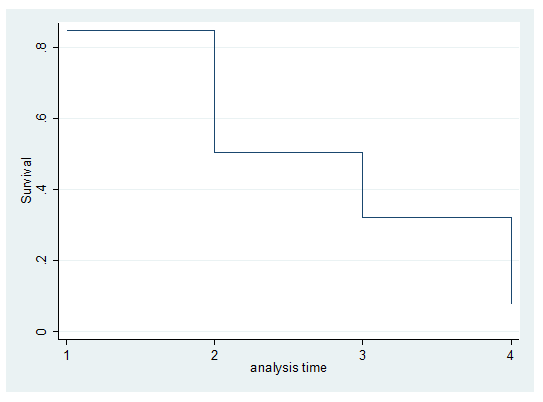
Figure 1. Survival plot for the time to survive of pneumonia patient.
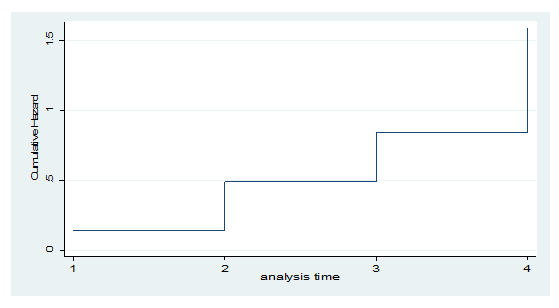
Figure 2. Hazard plot for the time to survive of pneumonia patient.
Survival comparison of different groups of time to death of pneumonia patients
Survival by sex of the patients: The overall survival rate of male patients tends to be lower than that of female patients, especially when it comes to times, but the results are most similar at the beginning and at the bending times, indicating that the probability of being cured at a particular point in time is lower in male patients when compared to female patients, as could be seen in Figure 3.
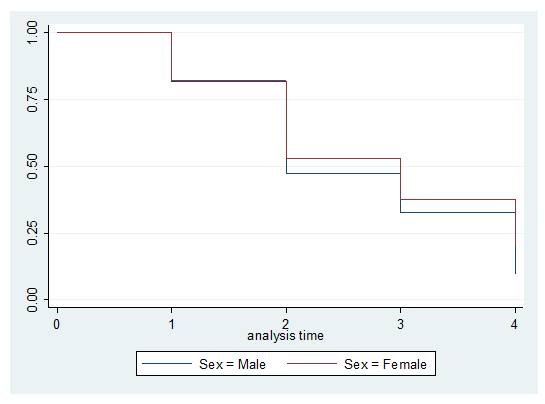
Figure 3. Survival functions of the sex of pneumonia patients.
Survival by season of the patients
The survival for winter season group of the patients is lower than that the survival for the spring, autumn and summer group specially in the mid times, but all most the same at the beginning and at the ending time and this indicates that the probability of the curing time for winter season is lower than when we compared to the other season group as or probability of curing time for winter group are higher than that of the other season group as presented in Figure 4.

Figure 4. Survival functions of the season of pneumonia patients.
Survival by place of the residence of the patients
The survival of the rural lived patients is lower than that the survival of the urban lived patients particularly at mid times, but all most similar at the beginning and at the bending times and this indicates that the probability of the cured time at a given time is lower for patients who live in rural area when we compared to the that of the patients lived in urban area (Figure 5).
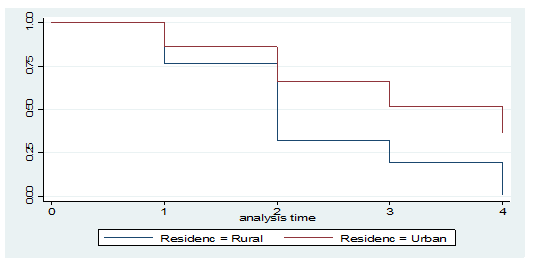
Figure 5. Survival functions of the residence of pneumonia patients.
Cox proportional hazard regression model
After comparing survival experiences among sets of factors, the next critical step is model construction. Identifying groups of explanatory variables that have the potential to be included in the linear components of a multivariate proportional hazards model is an initial step in the modelling-building method. We started by building the univariate Cox proportional hazards prediction approach, and successive univariate Cox proportional hazards models were fitted. Age, treatment, patient sex, location of residence, co-morbidity, patient referrals status from another health facility, severe acute malnutrition, and therapy kinds taken at the time of diagnosis are all significant with p-values of 0.05 at a 5% level of significance. Religion, husband's education, and work level were all unimportant. Place of residence, income index of the family, sex of kid, child age, smoking status of women, birth interval, women's education level, and husband education were all significant when the level of significance was increased to 10%.
Model diagnosis for Cox proportional hazards mode 1
In the current investigation, the two basic assumptions of the Cox regression model, log-linearity and proportional hazards were tested as shown in Table 3. The log-linearity test revealed that the relationship between log hazard or log cumulative hazard and a covariate was linear. The proportional hazard test in this investigation indicates that the ratio of the hazard function for two individuals with different regression covariates does not vary with time. The global fit test in Table 3 also shows that the Wald Chi-square test statistic was significant which indicates that the proportional hazards assumption is violated. In other words, the plots of the acute pneumonia covariates were not parallel to each other. Thus, there is a violation of the proportional hazards assumption. This indicates that the residuals were not random, there is a systematic pattern and the smoothed plot looks not a straight line and there is some departure from the horizontal line. Thus, there is a violation of the proportional hazards assumption.
| Covariates | Rho | Chi-sq. | DF | Sign |
| Age | 0.3742 | 7.008 | 1 | 0.00811 |
| Treatment | 0.1496 | 0.866 | 1 | 0.35201 |
| Sex | -0.0872 | 0.358 | 1 | 0.54963 |
| Season | 0.1075 | 0.544 | 1 | 0.46088 |
| Com | -0.1111 | 0.52 | 1 | 0.4708 |
| SAM | 0.3349 | 4.945 | 1 | 0.02617 |
| Patient refer status | -0.0894 | 0.327 | 1 | 0.56744 |
| Residence | -0.0665 | 0.219 | 1 | 0.63948 |
| BOR | -0.0744 | 0.2693 | 1 | 0.6038 |
| Treatment types taken by patients | -0.0338 | 0.0513 | 1 | 0.8208 |
| Weight | 0.0542 | 0.1199 | 1 | 0.7291 |
| Global | NA | 16.096 | 7 | 0.04102 |
Table 3. Test of proportional hazards assumption.
Univariable AFT analysis
Univariate analysis is used to see the effect of each covariate on survival time before proceeding to the multivariate analysis. The univariate analysis was fitted for each covariate by AFT models using different baseline distributions i.e., Weibull, lognormal, exponential and log-logistic distributions. In all univariate analysis of AFT model sex, residence, comorbidity, Severe Acute Malnutrition (SAM), age, anemia status, delivery palace, season and weight were significantly associated with survival time of patients at 5% level of significance.
Multivariate analysis of AFT model
For pneumonia data, multivariable AFT models of Weibull, exponential, log-logistic, and log-normal distribution were fitted by including all the covariates those are significant in the univariate analysis at 10% level of significance. To compare the efficiency of different models, the AIC was used. It is the most common applicable criterion to select model. Based on AIC, a model having the minimum AIC value was preferred. Table 4 presents a comparison of different Accelerated Failure Time (AFT) models based on their log-likelihood, Akaike Information Criterion (AIC), and Bayesian Information Criterion (BIC) values. These criteria are used to assess the goodness of fit and compare the performance of different mode. Based on the results in Table 4, we can make the following observations: The Weibull model has the lowest log-likelihood (-158.20), indicating the best fit to the data among the models compared. The Lognormal model has the lowest AIC (353.12) and BIC (425.86), suggesting the best balance between goodness of fit and model complexity. The exponential model has the highest log-likelihood (-169.35), AIC (378.71), and BIC (447.99), indicating the poorest fit to the data among the models compared. The log logistic model has a lower log-likelihood (-157.67) than the Weibull model but higher AIC (357.35) and BIC (430.09), suggesting a slightly worse fit and higher complexity compared to the Weibull model. Overall, based on the log-likelihood, AIC, and BIC values, the Weibull model and Lognormal model appear to be the best-fitting models among the ones compared.
Accordingly, log normal AFT model (AIC=353.12) found to be the best for the pneumonia data set from the given alternatives when we include all the covariate those are significant in the univariate analysis. Covariates that become insignificant in the multivariate analysis were removed from the model by using backward elimination technique. Accordingly, wealth status and Patient refer status were excluded. Finally, the effect of interactions terms were tested and found to be statistically insignificant in multivariable lognormal AFT model at 5% level of significance. The final model kept the main effect of the covariate place of residence, age of children, weight of child, place of residence, comorbidity, and SAM. All AFT models and the corresponding AIC values are displayed in Table 4.
| Model type | Log-Likelihood | AIC | BIC |
| Weibull | -158.20 | 358.41 | 431.16 |
| Exponential | -169.35 | 378.71 | 447.99 |
| Log logistic | -157.67 | 357.35 | 430.09 |
| Lognormal | -155.55 | 353.12 | 425.86 |
Table 4. AFT models comparison.
Bayesian survival analysis
Bayesian survival analysis procedure was used to make inference about the parameters of a Survival model. The Gibbs sampler algorithm was implemented with 12,000 iterations in different chains, 2,000 burn-in terms discarded, as to obtain 10,000 samples for full posterior distribution (Table 5).
| Model | AIC | BIC | DIC |
| Exponential AFT | 376.885 | 414.987 | 376.51 |
| Lognormal AFT | 347.812 | 389.378 | 350.024 |
| log logistic AFT | 351.353 | 392.919 | 353.197 |
| Weibull AFT | 353.242 | 394.808 | 354,871 |
Table 5. Bayesian AFT model comparison.
Table 5 presents a comparison of different Bayesian Accelerated Failure Time (AFT) models based on their Akaike Information Criterion (AIC), Bayesian Information Criterion (BIC), and Deviance Information Criterion (DIC) values. These criteria are used to evaluate the goodness of fit and compare the performance of different models in a Bayesian framework.
The AIC measures the relative quality of a statistical model, balancing the goodness of fit with the complexity of the model. Lower AIC values indicate a better fit to the data. In this table, the Lognormal AFT model has the lowest AIC value (347.812), suggesting the best balance between fit and complexity. The BIC is similar to the AIC but penalizes models with more parameters more heavily. It provides a more stringent criterion for model selection. Lower BIC values indicate a better fit to the data. In this table, the Lognormal AFT model also has the lowest BIC value (389.378), indicating the best fit among the models compared. The DIC is a criterion specific to Bayesian models and measures the trade-off between model fit and complexity. It takes into account both the likelihood and the effective number of parameters in the model. Lower DIC values indicate a better fit to the data. In this Table 5, the Lognormal AFT model has the lowest DIC value (350.024), suggesting the best fit and balance between fit and complexity.
Based on the results in Table 5, we can conclude that the Lognormal AFT model performs the best among the models compared according to all three criteria (AIC, BIC, and DIC). It has the lowest AIC, BIC, and DIC values, indicating the best fit to the data and the most appropriate balance between goodness of fit and model complexity. Based on the information provided in the table, the Lognormal AFT model appears to be the most favorable option.
The distribution with smaller DIC value is a good distribution that fit the data well, due to these Bayesian approach lognormal accelerating failure time model is selected as the preferable model to analyze the children pneumonia dataset based on the DIC value presented in the Table 5.
The Table 6 presents the posterior summary for the Bayesian Lognormal AFT model for under five pneumonia in Jigjiga Referral Hospital. The table includes the estimated values for each independent variable, including the variable name, categories, the number of iterations (10,000), the number of burn-in iterations (2000), the mean, Standard deviation (Sd), Monte carlo error (Mc error), and the 95% Credible Interval (95% CI) for each parameter.
| Parameter | Var | N | Start | Mean | Sd | Mc error | 95% CI |
| Sex | Female | 10000 | 2000 | -0.772 | 1.0216 | 0.004* | (0.031, 4.21) |
| Male (ref.) | |||||||
| Age | 1-11 | 10000 | 2000 | -2.27 | 2.8304 | 0.045* | (0.482, 11.72) |
| 12-23 | 10000 | 2000 | -1.807 | 2.6014 | 0.041* | (0.089, 10.268) | |
| 24-35 | 10000 | 2000 | -2.127 | 2.7362 | 0.038* | (0.225, 11.091) | |
| 36-47 | 10000 | 2000 | -4.015 | 4.2161 | 0.047* | (-2.851, 18.79) | |
| 48-59 (ref.) | |||||||
| Residence | Rural | 10000 | 2000 | 0.391 | 1.0372 | 0.004* | (0.556, 0.741) |
| Urban (ref.) | |||||||
| Co-morbidity | Yes | 10000 | 2000 | 0.229 | 1.0399 | 0.005* | (0.740, 1.416) |
| No (ref.) | |||||||
| SAM | Yes | 10000 | 2000 | -1.344 | 1.4019 | 0.006* | (1.609, 6.890) |
| No (ref.) | |||||||
| Weight | 10000 | 2000 | -0.323 | 0.319 | 0.004 | (0.203, 1.495) | |
| Anemia status | Yes (ref.) | 10000 | 2000 | -0.119 | 0.1438 | 0.0019 | -1.1, -0.5357 |
| No (ref.) | |||||||
| Season | Winter | 10000 | 2000 | -0.148 | 0.2373 | 0.00295 | 0.3183, 0.6090 |
| Spring | 10000 | 2000 | -0.023 | 0.1142 | 0.0036 | -0.319, -0.0797 | |
| Summer | 10000 | 2000 | -0.14 | 0.2282 | 0.0097 | -0.411, -0.1042 | |
| Delivery place | At home | 10000 | 2000 | -0.286 | 0.1362 | 0.00523 | -0.2482, -0.105 |
| Public (ref.) | |||||||
| Sigma | 10000 | 2000 | -4.808 | 6.249 | 0.0026* | (0.439,7.205) |
Table 6. Posterior summary for Bayesian Lognormal AFT model.
Sex: The reference category is male. The estimated coefficient for Female is -0.772, with a standard deviation of 1.0216. The credible interval for female is (0.031, 4.21). This suggests that being female is associated with a decreased risk of under-five pneumonia compared to males.
Age: The reference category is 48-59. The estimated coefficients for the other age categories are as follows: 1-11 (-2.27), 12-23 (-1.807), 24-35 (-2.127), and 36-47 (-4.015). These coefficients indicate the log of the time it takes for pneumonia to occur. The credible intervals for each age category are also provided.
Residence: The reference category is Urban. The estimated coefficient for rural is 0.391, indicating that living in a rural area is associated with an increased risk of under-five pneumonia. The credible interval for rural is (0.556, 0.741).
Co-morbidity: The reference category is No. The estimated coefficient for Yes is 0.229, suggesting that having a co-morbidity is associated with a slight increase in the risk of under-five pneumonia. The credible interval for Yes is (0.740, 1.416).
SAM: The reference category is No. The estimated coefficient for Yes is -1.344, indicating that having Severe Acute Malnutrition (SAM) is associated with a decreased risk of under-five pneumonia. The credible interval for Yes is (1.609, 6.890).
Weight: The estimated coefficient for weight is -0.323, indicating that higher weight is associated with a decreased risk of under-five pneumonia. The credible interval for weight is (0.203, 1.495).
Anemia status: The reference category is Yes. The estimated coefficient for No is -0.119, suggesting that not having anemia is associated with a decreased risk of under-five pneumonia. The credible interval for No is (-1.1, -0.5357).
Season: The reference category is winter. The estimated coefficients for spring, and summer are also provided. These coefficients indicate the log of the time it takes for pneumonia to occur during each season.
Delivery place: The reference category is Public. The estimated coefficient for at home is -0.286, suggesting that delivering at home is associated with a decreased risk of under-five pneumonia compared to delivering in a public place. The credible interval for At home is (-0.2482, -0.105).
Sigma: The estimated coefficient for sigma is -4.808, indicating the variability in the survival time for under-five pneumonia. The credible interval for sigma is (0.439, 7.205). Based on the coefficients and credible intervals, the final fitted Bayesian Lognormal AFT model suggests that factors such as sex, age, residence, co-morbidity, SAM, weight, anemia status, season, and delivery place are associated with the risk of children under-five years with acute pneumonia in Jigjiga Referral Hospital
All parameter estimates in the Table 5 above has Monte Carlo error (MC-error) value that is less than 5% of standard deviation, which indicates convergence of the parameters. Due to this reason and convergence plots, the researcher uses this posterior summary as results. The final model results were interpreted using acceleration factor, 95% credible interval of Bayesian approach accelerated failure time estimated values. When the effect of other factors keep fixed, the estimated acceleration factor for female patient was estimated to be eβ=e(-0.772)=0.46 with (95% CI: 0.031, 4.21). The credible interval for the Bayesian acceleration failure time didn’t included zero or on other hand researcher can say that the credible interval for the Bayesian acceleration factor did not include one by exponentiation of the Bayesian acceleration failure time credible interval that is (95% CI: e(-0.772),e (-0.772):1.03,67.06). This indicates that female patients have less survival time than male patients do or in the other way male patients survived 46% longer time than female patients have. The acceleration factors for patients whose residence was urban were estimated to be 1.48 with (95% CI: 0.556, 0.741). This indicates that patients whose residence was rural had prolonged survival time than patients from urban l residence at 5% level of significance.
Patients diagnosed at spring season and summer season were 0.98 and 0.87 with (95% CI: -0.3200, -0.080 and -0.4108, -0.1042) respectively. This implies that patients who were diagnosed at spring and summer season had less survival time than patients did who was diagnosed at autumn season. The acceleration factor for patients who were suffered other extra disease or comorbidity was estimated to be 1.26 with (95% CI: 0.740, 1.416). This implies that patients who were suffered other extra disease had longer survival time than patients who were no suffered other extra disease or comorbidity. The acceleration factor for patients who were suffered Severe Acute Malnutrition (SAM) was estimated to be 0.26 with (95% CI: 1.609, 6.890). This indicates that patients who were not suffered Severe Acute Malnutrition (SAM) had longer survival time than patients who were suffered Severe Acute Malnutrition (SAM). Acceleration factor for patient have anemia estimated to be 0.89 with (95% CI: -1.1, -0.5357). This indicates that patient with anemia had significant effect on the survival time of patients.
Descriptive statistics revealed that male patients were more exposed to pneumonia than female patients; this result is in contradict with other study conducted in JUSH by [12] and in China by [13] and the prevalence of pneumonia in season of summer and autumn were higher than other seasons and the results are in line with studies in Hawassa city by [14] in Malawi by [15] and in Southern Israel by [16]. This study focused on Bayesian approaches of survival analysis next to descriptive statistics. In classical parts it included nonparametric, semiparametric and parametric survival analysis. The Bayesian survival analysis is started from MCMC simulation of 10,000 samples with burn-in state of 2,000 and using the 10,000 sample for posterior inference using Win BUGS software for simulation and the convergence of the parameters were checked.
Bayesian survival analysis of this study was showed that smaller standard error and narrow credible interval for all significant parameters. This study is consistent with studies conducted in United Arab Emirates on overview of Bayesian approach to survival analysis by [17]. As observed from two approaches Bayesian Lognormal AFT Model had narrow credible interval and Smaller Standard Error (MCSE). This implies that Bayesian survival analysis is good to analyze this data set. The current study is consistent with the studies conducted in Beirut Lebanon by [18,19].
Gender was an important significant factor to pneumonia patient. This study was revealed that female patients had prolonged survival time than male patients and this study agrees with the study conducted in Pakistan by [20] and in JUSH [21]. Patients whose residence was urban had prolonged survival time than patients in rural residence and is in line with study conducted in JUSH [22]. The result of this study revealed that Patients who were admitted in summer and spring season have shorter survival time and had high risk of dying from Pneumonia as compared with autumn and winter seasons; this result agrees with study conducted in Hawassa city [23] and in southern Israel Hospital [24]. In addition, it is in line with report of CHERG as stated that Altitude, annual rainfall and nature of the seasons and average monthly temperatures are the factors of under-five pneumonia [25].
Patients who were suffered comorbidity or other diseases with pneumonia had shorter survival time than patients without comorbidity, and also under-five pneumonia patients suffered with Severe Acute Malnutrition (SAM) had shorter survival time than that of patients without Severe Acute Malnutrition (SAM) and this study agree with the studies conducted in Pakistan [26], in Malawi [15], in JUSH by [27], in Southern Israel Hospital [24] and with Child Health Epidemiology Reference Group (CHERG) report. Patients who admitted during Patients to Nurse Ratio (PNR) was high had high risk of dying from pneumonia than patients admitted during PNR low in this study; which is supported by study conducted in Europe that is the higher level of nurse staffing was associated with a decrease in the risk of in hospital mortality and in Hawassa city [23].
The Bayesian parametric survival approach is a statistical method used to model the time to an event, such as death, using probability distributions. In this study, the researchers used the Bayesian Lognormal Accelerated Failure Time (AFT) model to predict the time to death of children under-five years with acute pneumonia in Jigjiga Referral Hospital.
The final fitted model included ten independent variables, each of which was associated with the risk of death. The interpretation of the coefficients for each variable provides insights into the factors influencing the time to death of children with acute pneumonia. The first variable, sex, showed that being female was associated with a decreased risk of death compared to males. This finding is consistent with previous research that has shown a higher vulnerability of males to respiratory infections. The second variable, age, showed that different age groups have varying risks of death. The coefficients for each age category indicated the log of the time it takes for pneumonia-related death to occur. The results showed that younger children had a higher hazard of death compared to older children, which aligns with the increased susceptibility of younger children to severe pneumonia. The third variable, residence, showed that living in a rural area was associated with an increased risk of death from acute pneumonia. This finding may be attributed to factors such as limited access to healthcare facilities and lower socioeconomic conditions prevalent in rural settings. The fourth variable, co-morbidity, showed that having co-morbidity was associated with a slight increase in the risk of death. This finding emphasizes the importance of addressing co-existing illnesses in the management of acute pneumonia. The fifth variable, SAM, showed that children with Severe Acute Malnutrition (SAM) had a decreased risk of death from acute pneumonia. This finding aligns with the known immunosuppressive effects of malnutrition, which may result in a reduced inflammatory response to pneumonia. The sixth variable, weight, showed that higher weight was associated with a decreased risk of death. This finding highlights the importance of adequate nutrition and overall health in reducing mortality risk. The seventh variable, anemia status, showed that not having anemia was associated with a decreased risk of death. This finding emphasizes the importance of addressing anemia as a potential risk factor for adverse outcomes in pneumonia. The eighth variable, season, included different seasons, and the coefficients for each season indicated the log of the time it takes for pneumonia-related death to occur during that season. However, the interpretation of these coefficients required caution as the specific seasons and their associated hazards were not mentioned in the provided information. The ninth variable, delivery place, showed that delivering at home was associated with a decreased risk of death compared to delivering in a public place. This finding may be attributed to factors such as cleaner home environments and reduced exposure to healthcare-associated infections. The tenth variable, Sigma, represented the variability in the survival time for children with acute pneumonia. The estimated coefficient for Sigma indicated the uncertainty in the estimation of this parameter.
In conclusion, the final fitted Bayesian Lognormal AFT model provides valuable insights into the factors associated with the time to death of children under five years with acute pneumonia in Jigjiga Referral Hospital. The findings can inform clinical practice, public health interventions, and resource allocation to improve the management and outcomes of children with acute pneumonia.
This study used survival time of under-five pneumonia patients dataset of those who were registered and treated from January 1, 2023 up to September 30, 2023 years with the aim of investigating the survival rate of under-five pneumonia patients in Jimma University medical center by applying Bayesian survival analysis. Sample of 451 children hospitalized with pneumonia were used in this study and about 183(40.58%) of child pneumonia patients were died at the end of study. To investigate the factors of survival time to pneumonia patients, semi-parametric Cox PH model and different types of parametric AFT survival models were applied. Due to violation of Cox proportional hazard model assumptions; parametric AFT models and Bayesian Accelerated Failure Time (AFT) models were fitted. From different types of AFT models fitted using different baseline distributions, Lognormal AFT model is selected as the good model in both classical and Bayesian approach investigation based on the classical model comparison criteria using AIC value and Bayesian model comparison criteria using DIC value.
In both approaches Lognormal AFT model is selected as the good model to fit the dataset. From survival parametric model in Bayesian approach Lognormal AFT is preferable. The results of both classical and Bayesian Lognormal AFT model showed that sex, residence, age, comorbidity, Severe Acute Malnutrition (SAM) and weight were found to be significant predictors for survival time of patients in Jimma University medical center. Of which patients whose residence was urban, male patients, age of patient at the age of (24-35) months, (36-47) months and (48-59) months, patients without comorbidity, patients without severe acute malnutrition (SAM) is prolong timing death of pneumonia patients in Jimma University medical center. Similarly female patients, age of patient at the age of (1-11) months and (12-23) months, patients with comorbidity, patients whose residence was rural and patients with severe acute malnutrition (SAM) were statistically significantly shorten timing of death of childere pneumonia patient in Jimma University medical center.
The study aimed to investigate the factors associated with the time to death of children under five years with acute pneumonia in Jigjiga Referral Hospital using a Bayesian Parametric Survival Approach. The final fitted Bayesian Lognormal Accelerated Failure Time (AFT) model provided valuable insights into the risk factors influencing the time to death in this population.
The findings of this study have several important implications for clinical practice, public health interventions, and resource allocation. Firstly, the results showed that being female was associated with a decreased risk of death compared to males. This suggests that gender may play a role in the vulnerability to pneumonia-related mortality, and healthcare providers should be aware of this difference when managing and treating pneumonia in children. Secondly, the age of the child was found to be a significant factor, with younger children having a higher hazard of death compared to older children. This highlights the importance of early detection and prompt treatment of pneumonia in infants and young children, as they are at a higher risk of severe outcomes.
Residence was also found to be a significant factor, with children living in rural areas having an increased risk of death. This underscores the need for targeted interventions and improved access to healthcare services in rural communities to reduce the burden of pneumonia-related mortality. The presence of co-morbidities was associated with a slight increase in the risk of death. This finding emphasizes the importance of comprehensive care for children with pneumonia, especially those with underlying health conditions. Healthcare providers should be vigilant in identifying and managing co-existing illnesses to improve outcomes. Interestingly, children with Severe Acute Malnutrition (SAM) were found to have a decreased risk of death from acute pneumonia. This unexpected finding may be attributed to the immunosuppressive effects of malnutrition, which could result in a reduced inflammatory response to pneumonia. Further research is needed to explore this relationship and understand the underlying mechanisms. Weight and anemia status were also found to be significant factors, with higher weight and absence of anemia associated with a decreased risk of death. These findings highlight the importance of nutritional status and addressing anemia in the management of pneumonia to improve outcomes. The study also examined the influence of seasons on pneumonia-related mortality, but specific seasons and their associated hazards were not provided. Further research is needed to understand the seasonal patterns of pneumonia and develop targeted interventions during high-risk periods. Delivering at home was associated with a decreased risk of death compared to delivering in a public place. This finding suggests that home environments may offer certain advantages, such as cleaner surroundings and reduced exposure to healthcare-associated infections. Healthcare providers should consider these factors when discussing delivery options with families. The variability in survival time for children with acute pneumonia, represented by the Sigma coefficient, indicates the uncertainty in the estimation of this parameter. This highlights the need for further research and validation to strengthen the evidence base and ensure the reliability of the findings. In conclusion, this study provides important insights into the factors influencing the time to death of children under five years with acute pneumonia in Jigjiga Referral Hospital. The findings can inform clinical decision-making, public health interventions, and resource allocation to improve the management and outcomes of children with pneumonia.
Thus the following recommendations are made for Amhara region health office, community at large, Jimma town Health Offices, Jimma medical center and researcher. The risk of dying due to pneumonia is higher in rural individuals than the urban dwellers; therefore the Federal ministry of health should work on awareness by giving health promotions on appropriate and effective treatment in home and early diagnosis of under-five pneumonia to the community. Oromia region health office should improve public and professional awareness by early detection and prompt treatment using feasible, effective regimens and detailed patient characteristics in the pediatric registry data collaboration with hospitals and health centers. Jimma medical center should improve health facilities based on quality variables of hospitals like bed occupancy rate, patient to nurse ratio and patient to physician ratio in hospitals and should be handled with effective management. The physicians, clinician and health extension workers should give attention to prevent the morbidity and mortality of pneumonia by giving health promotion to community based on the identified risk factors in all health centers. Finally; in this study researcher used the MCMC estimation methods for simulation; it is time consuming. However, Laplace algorithm converges more rapidly to stationary distribution, therefore; it is better to apply Laplace approximation method in the future study.
Based on the findings of this study, several recommendations can be made to improve the management and outcomes of children under five years with acute pneumonia: Enhance early detection and prompt treatment: Given that younger children are at a higher risk of severe outcomes, healthcare providers should prioritize early detection and prompt treatment of pneumonia in infants and young children. This can be achieved through increased awareness among caregivers, improved access to healthcare services, and training of healthcare providers on the early signs and symptoms of pneumonia in young children.
Address gender disparities: The study found that being female was associated with a decreased risk of death compared to males. Healthcare providers should be aware of this difference and ensure equitable access to healthcare services and appropriate treatment for all children, irrespective of their gender. Improve access to healthcare services in rural areas: Children living in rural areas were found to have an increased risk of death from acute pneumonia. Efforts should be made to improve access to healthcare services in rural communities, including the establishment of mobile clinics, telemedicine services, and outreach programs. Additionally, community health workers can play a vital role in educating and supporting families in rural areas on the prevention and management of pneumonia.
Comprehensive care for children with co-morbidities: The presence of co-morbidities was associated with a slightly increased risk of death. Healthcare providers should prioritize comprehensive care for children with pneumonia, especially those with underlying health conditions. This may involve close monitoring, tailored treatment plans, and coordination with specialists to manage co-existing illnesses effectively. Further investigate the relationship between Severe Acute Malnutrition (SAM) and pneumonia: The study found that children with SAM had a decreased risk of death from acute pneumonia. This unexpected finding warrants further research to understand the underlying mechanisms and potential implications for the management of pneumonia in malnourished children. Focus on nutritional status and anemia management: The study highlighted the importance of adequate nutrition and addressing anemia in reducing mortality risk. Healthcare providers should prioritize nutritional assessment, counseling, and support for children with pneumonia, with particular attention to weight gain and anemia management. Consider seasonal patterns and develop targeted interventions: Although specific seasons and their associated hazards were not provided in the study, the influence of seasons on pneumonia-related mortality should be further investigated. Understanding seasonal patterns can help in the development of targeted interventions, such as vaccination campaigns, health education programs, and increased healthcare capacity during high-risk periods.
Promote home-based care and clean environments: The study found that delivering at home was associated with a decreased risk of death compared to delivering in a public place. Healthcare providers should consider the advantages of home environments, such as cleaner surroundings and reduced exposure to healthcare-associated infections. Promoting home-based care and providing guidance on maintaining clean environments can contribute to improved outcomes for children with pneumonia. Validate and replicate the findings: The study used a Bayesian parametric survival approach, and further research is needed to validate and replicate the findings in different settings and populations. This will strengthen the evidence base and ensure the generalizability of the results.
Overall, the recommendations from this study emphasize the importance of early detection, prompt treatment, equitable access to healthcare, comprehensive care for co-morbidities, addressing malnutrition and anemia, considering seasonal patterns, promoting home-based care, and further research to improve the management and outcomes of children under-five years with acute pneumonia.
Strengths of the Study
This study also possesses several strengths that contribute to its overall value:
Long study duration: The study spanned over a six-year period, providing a substantial amount of data and allowing for the examination of trends and patterns over time. This enhances the robustness of the findings and increases the generalizability of the results.
Comprehensive data collection: The study collected a wide range of data, including demographic information, clinical characteristics, and outcomes. This comprehensive approach provides a more holistic understanding of the factors influencing pneumonia-related mortality in children under five years.
Rigorous statistical analysis: The study utilized a Bayesian parametric survival approach, which is a sophisticated statistical method for analyzing time-to-event data. This approach accounts for censoring, incorporates prior knowledge, and allows for the estimation of survival probabilities. The use of this rigorous statistical analysis enhances the validity and reliability of the findings.
Multivariable analysis and adjustment: The study conducted multivariable analysis and adjusted for several potential confounding factors, such as age and sex. This helps to minimize the impact of confounding variables and provides a more accurate assessment of the factors associated with pneumonia-related mortality.
Focus on a vulnerable population: The study specifically focused on children under five years, who are a vulnerable population at higher risk of pneumonia-related mortality. By targeting this population, the study provides valuable insights into the factors influencing outcomes in a group that requires special attention and care.
Clinical relevance: The findings of the study have direct implications for clinical practice and public health interventions. The identification of factors associated with increased mortality risk can guide healthcare providers in risk stratification, treatment decisions, and the development of targeted interventions.
Contribution to the evidence base: The study adds to the existing body of literature on pneumonia-related mortality in children under-five years, particularly in resource-limited settings. By addressing gaps in knowledge and providing new insights, the study contributes to the evidence base and informs future research and policy decisions. Overall, the study's long duration, large sample size, comprehensive data collection, rigorous statistical analysis, focus on a vulnerable population, clinical relevance, and contribution to the evidence base are significant strengths that enhance the value and impact of the study.
While this study provides valuable insights into the factors influencing the time to death of children under five years with acute pneumonia, there are several limitations that should be considered: The study was conducted at Jigjiga Referral Hospital, which may limit the generalizability of the findings to other healthcare settings. The results may not be representative of the broader population or reflect the diversity of healthcare practices and resources in different regions.
Despite adjusting for several variables, there may be unmeasured confounding factors that could influence the outcomes. For example, socioeconomic status, access to healthcare, and parental education were not included in the analysis but could have an impact on the risk of death from acute pneumonia.
References
[Crossref] [Google Scholar] [PubMed]
[Crossref] [Google Scholar] [PubMed]
[Crossref] [Google Scholar] [PubMed]
[Crossref] [Google Scholar] [PubMed]
[Crossref] [Google Scholar] [PubMed]
[Crossref] [Google Scholar] [PubMed]
[Crossref] [Google Scholar] [PubMed]
[Crossref] [Google Scholar] [PubMed]
[Crossref] [Google Scholar] [PubMed]
[Crossref] [Google Scholar] [PubMed]
[Crossref] [Google Scholar] [PubMed]
[Crossref] [Google Scholar] [PubMed]
[Crossref] [Google Scholar] [PubMed]
[Google Scholar] [PubMed]
[Crossref] [Google Scholar] [PubMed]
[Google Scholar] [PubMed]