
Research & Reviews: Journal of Material Sciences
 Menu
MenuISSN:2321-6212
ISSN:2321-6212
Visit for more related articles at Research & Reviews: Journal of Material Sciences
Electrospinning technique has evolved significantly over the past few decades, transforming the landscape of nanomaterial synthesis and applications. This comprehensive review article discusses the past, present and future growth of electrospinning techniques and focusing on the development of nanocomposites through the integration of various polymers with diverse semiconducting materials. A comparative analysis of these nanocomposites and their wide-ranging applications in optoelectronics further enriches the discussion, highlighting their versatile potential. The integration of diverse polymers with an array of materials to create nanocomposites represents a dynamic and promising avenue for materials science. This review aims to unravel the intricate relationships between polymers and materials and shedding light on the comparative advantages of various combinations. As these nanocomposites find their niche in optoelectronics, their versatile potential has become increasingly apparent. By examining their transformative impact on device performance, this review paves the way for harnessing the power of nanocomposites to shape the future of optoelectronic technologies.
Polymers; Electrospinning techniques; Polymer electrospinning; e-spun
Electrospinning, a technique used to create polymer filaments using electrostatic forces, was first observed during the examination of the electrospraying method by Rayleigh in 1897 and Zeleny in 1914 [1]. The experimental setup for electrospinning was patented by Formhals, who also published a patent in 1934 describing the process of creating textile yarn from cellulose acetate. Over the years, further research has been conducted to advance electrostatic-force-based fiber processing. In 1969, Taylor conducted a study on electrically propelled jets, laying the foundation for understanding the electrospinning process [2]. It was around 1994 that the term "electrospinning" started to gain popularity. Since then, electrospinning has undergone various modifications and improvements to enhance its output and effectiveness in the production of multifunctional nanofibers. Modern processing techniques have emerged to enhance the performance of electrospun nanofibers. Coaxial electrospinning, multilayer and mixed electrospinning, forced air-assisted electrospinning, and air-gap electrospinning are some examples of these techniques [3]. These advancements have contributed to the rapid development and widespread application of electrospinning in different sectors (Figure 1).
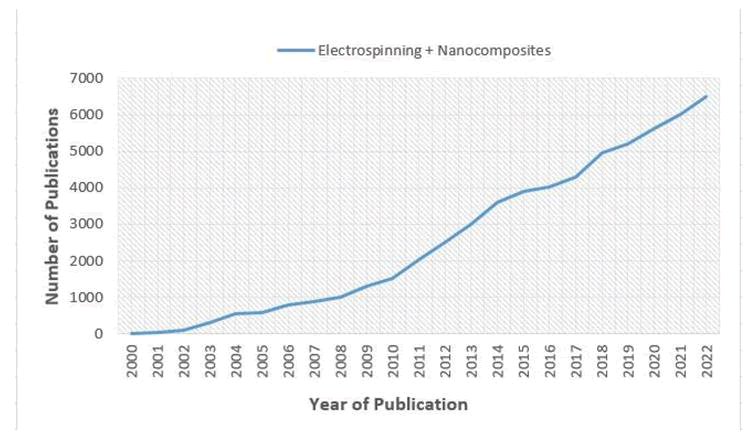
Figure 1. Graphical representation of the annual value of scientific publications correlated to electrospinning for the past 22 years. (Data analysis of articles was done using Scopus).
Figure 2 illustrates the core experimental setup of the electrospinning. It typically consists of a high-voltage power supply (usually in the kV range), spinneret (typically a syringe with a blunt-tip needle), and collector (normally grounded) [4]. The spinneret is commonly a syringe equipped with a blunt-tip needle. The polymer melt or solution is placed in the syringe and held in place either by a retort stand (for vertical installations) or a syringe pump (for vertical and horizontal setups). The tip of the syringe needle is connected to the positive electrode of the power supply. The polymer liquid is then pumped out of the syringe through the needle and directed towards the grounded collector located below the syringe.
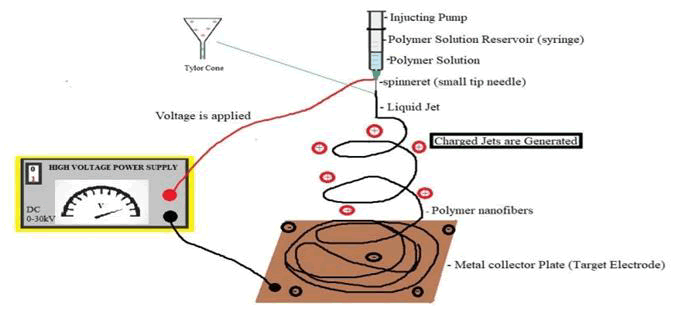
Figure 2. Electrospinning core experimental setup.
This process relies on the principle of surface tension acting on the polymer droplets. When an electric field is applied to a polymer, the fluid droplet, also known as a pendant droplet, acquires positive electrostatic charges. As the voltage from the high-voltage supply increases, it eventually reaches a critical point where electrostatic repulsion overcomes the surface tension of the fluid. At this stage, the pendant droplet deformed into a conical shape, called the Taylor cone, at the tip of the needle. The formation of a Taylor cone is the result of interaction between the two forces. The electrostatic force surpasses the surface tension, leading to the ejection of a fine charged jet of the polymer solution from the needle tip. The fluid stretches the jet stream and causes it to undergo a whipping motion, facilitating solvent evaporation. This continuous elongation of the jet stream, forms a long and thin filament that eventually solidifies. The resulting filament leads to the formation of uniform nanofiber. Figure 3 provides a clear illustration of the underlying principles of electrospinning technology.
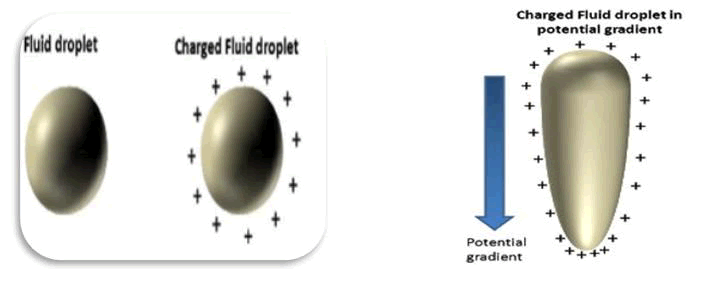
Figure 3. Illustration of electrospinning technology.
The polymer jets onto grounded collector from the spinneret can be divided into two segments shown in Figure 4.
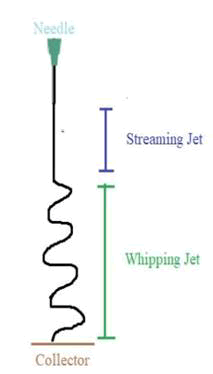
Figure 4. Streaming and whipping jets.
The collected nanofibers can be accurately predicted at the beginning by p, that is, the flow of the streaming jet. According to Leach et al., uneven, non-uniform, short, and oscillating streams may result in fibers with poor alignment, beading, wavy patterns, and splattering [5]. Therefore, researchers engaged in electrospinning studies need to carefully study various parameters (which will be further explained in the next section) before the optimized nanofiber formation procedure can be achieved. Electrospinning uses many working parameters and processing criteria (Figure 5) in order to fabricate the required morphology and properties of the as-spun nanofibers. To ensure optimal fiber creation, researchers have carefully examined the solution viscosity, surface tension, conductivity, electric field intensity, distance between the spinneret tip and collector, and flow velocity. Most scientists prefer to maintain constant ambient conditions, including solution temperature, humidity, and surrounding air velocity, throughout their studies [6].
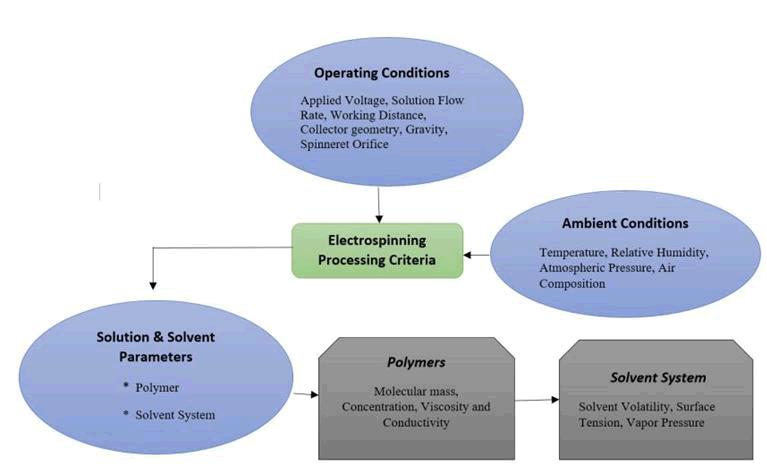
Figure 5. Electrospinning processing criteria (Adapted from The history of electrospinning: Past, present and future developments).
Experimental procedure for electrospinning
Materials and equipment
Preparation of polymer solution
Electrospinning setup
Electrospinning process
Fiber collection and post-treatment:
Safety precautions should be followed during electrospinning, including wearing appropriate Personal Protective Equipment (PPE), working in a well-ventilated area and following electrical safety guidelines. It is important to note that the electrospinning process parameters (e.g., voltage, flow rate, distance, and concentration) may need to be optimized based on the specific polymer and desired fiber properties.
Types of electrospinning
Basically, the electrospinning classified into two types (Figure 6): Needle electrospinning, and needleless electrospinning.
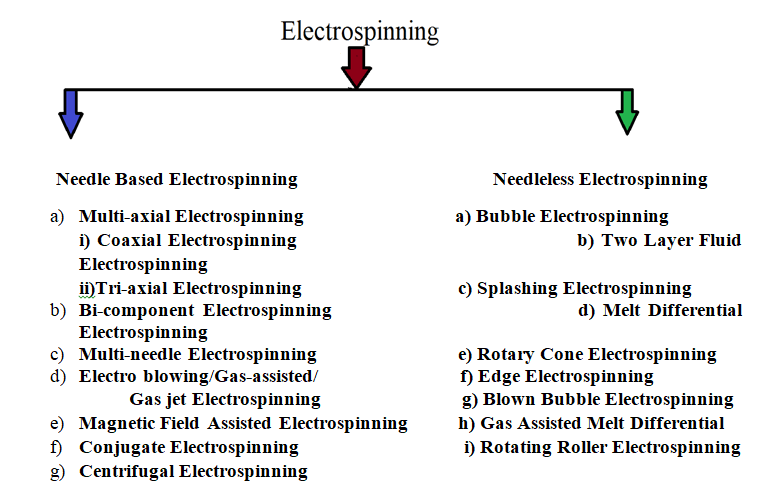
Figure 6. Types of electrospinning.
Needle electrospinning
Needle electrospinning is a fundamental and traditional electrospinning technique used to produce nanofibers. In this method, a syringe with a metallic needle is used to deliver a polymer solution or melt to an electrically charged needle tip. When a high voltage is applied between the needle and grounded collector, the electrostatic repulsion overcomes the surface tension of the polymer solution, leading to the formation of a fine jet of the solution. As the jet travels towards the collector, the solvent evaporates, leaving behind the solid nanofibers (Figure 7). The various needle electrospinning methods are shown in Figure 8.
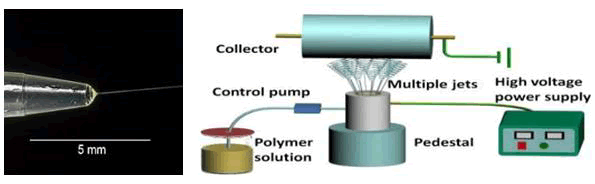
Figure 7. a) Photograph of a meniscus of polyvinyl alcohol in aqueous solution showing a fibre being electrospun from a Taylor cone, b) Experimental setup for needleless electrospinning.
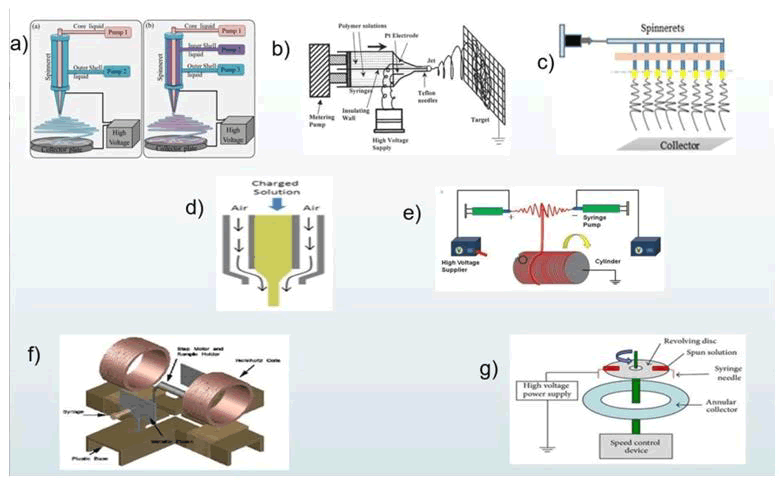
Figure 8. Needle based electrospinning.
Needleless electrospinning:
Needleless electrospinning techniques are innovative approaches that eliminate the use of traditional needles or nozzles in the electrospinning process. These methods offer advantages, such as enhanced control, scalability, and the ability to work with a wider range of materials. Various needleless electrospinning methods are shown in Figure 9.
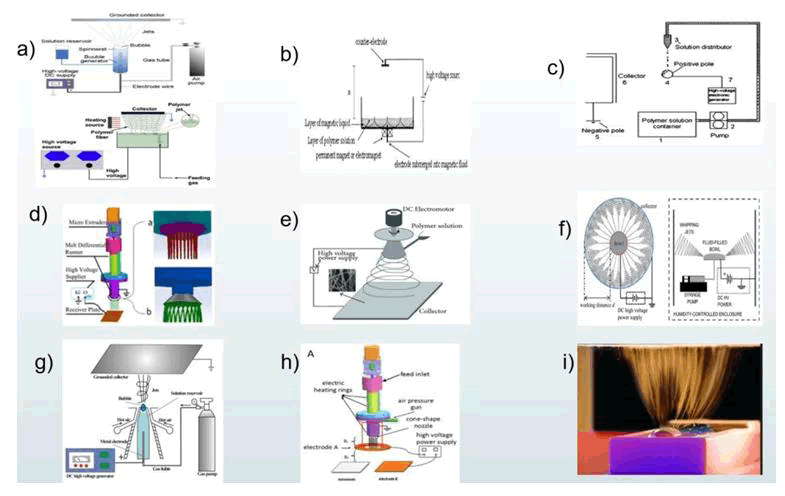
Figure 9. Needleless electrospinning.
Nanospider
“Nanospiders are a brand name associated with electrospinning technology. Electrospinning is used to produce ultrafine fibers from a liquid solution or melt, typically in the nanometer range. These fibers have a wide range of applications in fields such as nanotechnology, materials science and biomedical engineering. Nanospider technology is a specific approach to electrospinning that offers certain advantages over traditional electrospinning methods. A revolving, charged cylindrical electrode surface was used to supply a polymer solution to the electric field. Therefore, syringes, capillaries, valves, or needles are not required. A distance between a grounded collector and a charging rotating cylinder in a bath of polymer solution was 8 cm, the voltage was 45–53 kV, and the speed of the collecting nonwoven textile was 0.1 m/min (Figure 10).
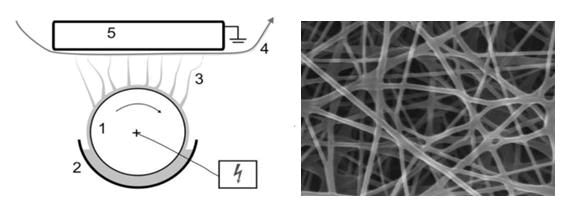
Figure 10. Modified electrospinning method (Nanospider) and this result 1—metal roller (positive charged); 2—reservoir of the polymer solution; 3—direction of fiber formation; 4—non-woven substrate (support material for creating nanofibers); 5 —grounded collector.
Battery-Operated portable handheld e-spinning Apparatus (BOEA)
Figure 11 illustrates a battery-operated electrospinning apparatus, which is a specialized device that uses battery power to drive electrospinning. Electrospinning is used to create nanofibers from a polymer solution or melt by applying an electric field. Traditional electrospinning setups often require a High-Voltage Power Supply (HVPS) to generate the electric field required for fiber formation. The innovation in battery-operated electrospinning apparatus lies in its ability to replace the traditional HVPS with two AAA batteries and a high-voltage converter. This makes the apparatus portable, convenient, and suitable for a variety of applications.
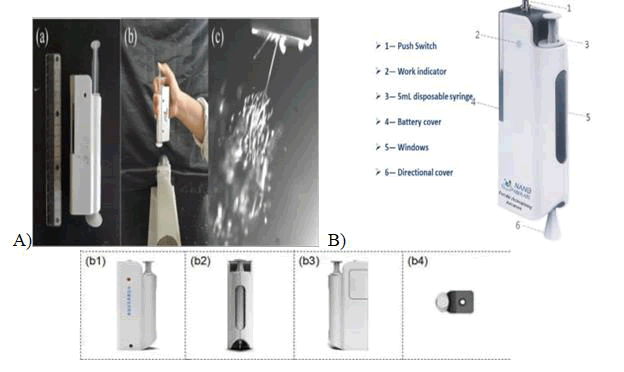
Figure 11. A) The handheld electrospinning apparatus. (a) In situ electrospinning process. (b) and (c) The electrospinning jets can be seen from the spinneret. (B) A battery-operated portable handheld e-spinning apparatus (BOEA, China Patent ZL201210229010.3). The exploded views of the BOEA: (b1) left view (b2) front view (b3) right view (b4) top view.
The negative anode of the converter was wired to a sheet of conductive metal. By touching the metal foil with the body (hand), the charge can be transferred to prevent charge buildup. For an effective spinning action, the distance between the needle and collector usually falls between 2 and 10 cm. Figure 11 (b) shows the stereograms of the apparatus created using Autodesk AutoCAD 2012. The BOEA can be used for portable handheld e-pinning because of its weight of approximately 120 g and its exact dimensions of 5 cm in length, 3 cm in thickness, and 10.5 cm in height. Figure 12 shows scanning electron microscopy (SEM) images of the morphological attributes of diverse polymer samples containing varying weight percentages of fibers fabricated by the BOEA.
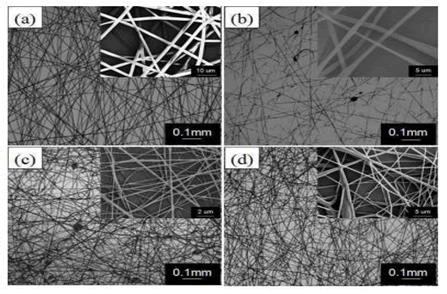
Figure 12. Optical images of (a) PVP, 20 wt.%, 10 cm; (b) PS, 20 wt.%, 7 cm; (c) PVDF, 15 wt.%, 5 cm; and (d) PCL, 15 wt.%, 5 cm fibers, which were fabricated by the BOEA. The inset in each image is SEM image of the corresponding fibers.
Battery-Operated Electrospinning Apparatus (BOEA) has the potential to offer several valuable applications in the medical field owing to its portability, convenience and real-time capabilities (Figure 13).
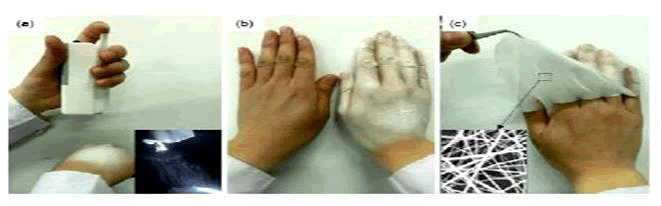
Figure 13. Optical images showing the process of PLA fibers directly electrospun onto the skin using the BOEA in two minutes. (a) BOEA was operated by one hand and the inset shows the spinning process of the BOEA in dark environment. (b)A PLA fibrous membrane was fabricated on another hand within two minutes. (c) The electrospun fibrous membranehas good flexibility and compactness. The inset is the SEM image of the electrospun fibers.
Merits and advantages/disadvantages of electrospinning
Figure 14 shows the merits and scope of electrospinning.
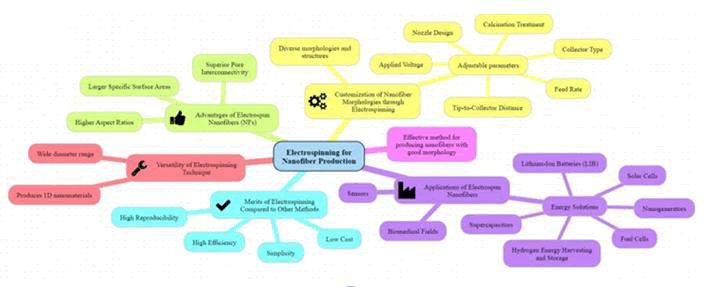
Figure 14. Merits of electrospinning.
Advantages/Disadvantages
Figure 15 shows advantages and disadvantages of electrospinning.
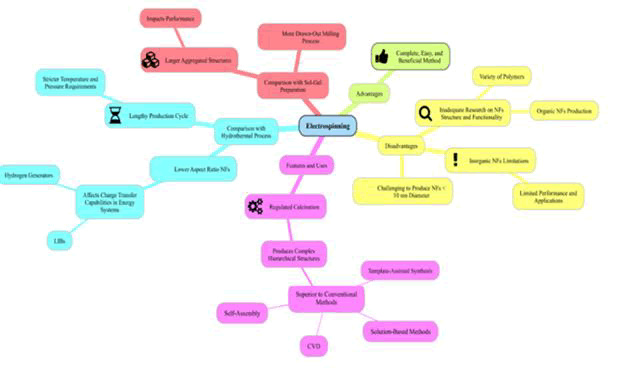
Figure 15. Advantages and disadvantages of electrospinning.
Semiconducting nanocomposites
Composites: Composites are simply two or more constituent materials with distinct physical and chemical characteristics (Figure 16). When mixed, they generate substances with qualities that differ from their original properties. The matrix and fiber are the two basic components of a composite.
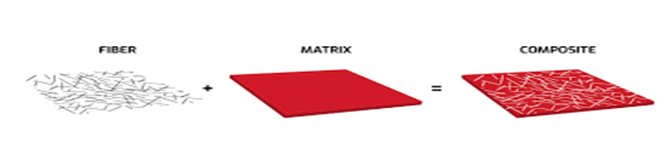
Figure 16. Composite material.
Nanocomposites: Nanocomposites are also a combination of two or more constituent materials with distinct physical or chemical characteristics, but at least one of the materials must be in the nanometer range (1–100 nm) (Figure 17). It is also superior to the individual materials.
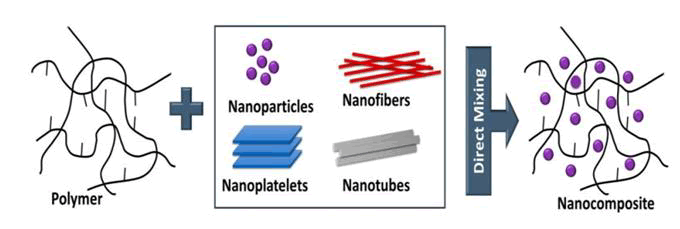
Figure 17. Nanocomposite materials.
Semiconducting nanocomposites
Semiconducting nanocomposites are composite materials containing at least one type of semiconducting material in the form of nanoparticles. These materials are typically composed of a matrix material, which can be organic or inorganic, and infused with semiconducting nanoparticles.
These materials have a wide range of potential applications, including in electronics, photonics, catalysis, and energy. For example, they can be used to create more efficient solar cells or develop new types of sensors. The properties of semiconducting nanocomposites can be tuned by adjusting the size, shape and composition of the nanoparticles as well as the properties of the matrix material. In particular, groups II to VI of materials play a vital role in various fields (Table 1).
| Group | Materials | ||||
| II | Be | Mg | Zn | Cd | Hg |
| III | B | Al | Ga | In | Ti |
| IV | C | Si | Ge | Sn | Pb |
| V | N | P | As | Sb | Bi |
| VI | O | S | Se | Te | Po |
Table 1. Group II to VI materials.
Types of polymers
Numerous types of polymers have unique properties and applications. Some common types of polymers are shown in Figure 18.
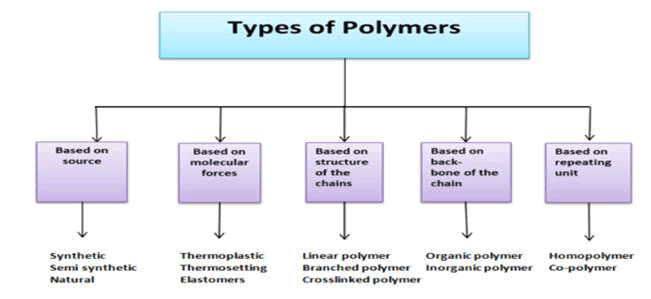
Figure 18. Types of polymers.
List of polymers used for semiconducting nanocomposites preparation (Figure 19).
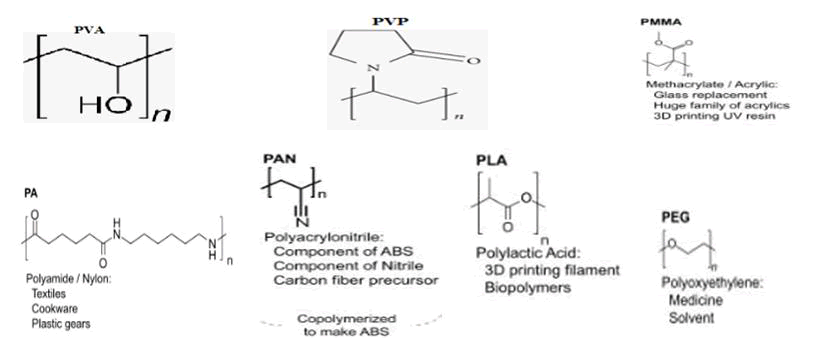
Figure 19. polymers used for semiconducting nanocomposites preparation.
Polymer-based semiconducting nanocomposites
Polymer-based semiconducting nanocomposites are composite materials composed of a polymer matrix and semiconducting nanoparticles or nanowires. These nanocomposites have unique electronic, optical and mechanical properties (Table 2) that make them useful in a wide range of applications, including sensors, electronics and energy devices. Electrospinning is a versatile method for producing polymer-based semiconducting nanocomposites with controlled morphology and properties.
|
|
Material |
Applications |
|
Polymer/inorganic Nanofiber composites |
Nanocomposite is made by electrospinning a solution containing a polymer and inorganic nanoparticles or nanowires, such as TiO2 or ZnO |
The resulting nanofibers have a high surface area and can be used in applications such as photocatalysis, sensors, and energy storage devices |
|
Polymer/carbon |
Nanocomposite is made by electrospinning a solution containing a polymer and carbon nanotubes or graphene |
The resulting nanofibers have unique mechanical, electrical, and thermal properties, and can be used in applications such as energy storage devices, sensors, and biomedical devices |
|
Polymer/quantum dot Nanofiber composites |
Nanocomposite is made by electrospinning a solution containing a polymer and quantum dots |
The resulting nanofibers have size-tunable optical properties, and can be used in applications such as optoelectronic devices and sensors |
|
Polymer/metal |
Nanocomposite is made by electrospinning a solution containing a polymer and metal nanoparticles, such as gold or silver |
The resulting nanofibers have plasmonic properties and can be used in applications such as sensing and biomedical devices |
|
Polymer/organic |
Nanocomposite is made by electrospinning a solution containing a polymer and organic semiconducting molecules |
The resulting nanofibers have improved charge transport properties, and can be used in applications such as organic photovoltaics and field-effect transistors |
Table 2. A few types of polymer-based semiconducting nanocomposites that can be produced by electrospinning.
Polyvinyl Acetate (PVA): Polyvinyl Acetate (PVA) is a synthetic compound comprising repeating vinyl acetate monomer units. PVA polymers are created via a polymerization process that links multiple vinyl acetate molecules to form long chains.
Muhammad AlHadi Zulkefle et al., embedded PVA Nanofibers with Different Concentration of ZnO (1.63 wt%-8.14 wt% ) prepared by electrospinning method [7]. An increase in the amount of ZnO particles embedded in Polyvinyl Alcohol (PVA) nanofibers as the powder content was increased and observed. PVA nanofibers embedded with ZnO suitable for optoelectronics applications. And the fabricated nanofibers used for tremendous applications like drug delivery and filtration.
Hamza Abdi Ali et al., incorporated Barium titanate and graphite with PVA matrix composite and prepared the(PVA-BaTiO3-G) nanofibers [8]. Composite nanofibers of Barium Titanate (BT) and graphite reinforced Polyvinyl Alcohol (PVA) were fabricated and their electrical properties were evaluated. PVA-BT-G nanofibers with varying ratios synthesized and characterized. The composite with 5% BT and G showed superior electrical properties.
Polymethyl methacrylate (PMMA): Polymethyl Methacrylate (PMMA), commonly known as acrylic or acrylic glass, is a synthetic material derived from the polymerization of methyl methacrylate monomer units. PMMA is valued for its transparency, durability, and versatility, and it is used in a wide range of applications across various industries [9].
Poly (Glycidyl Methacrylate) (PGMA): PGMA stands for polyglycidyl methacrylate, which is a polymer material derived from the polymerization of glycidyl methacrylate monomers. PGMA is known for its excellent adhesion properties and is often used as a resin or adhesive in various applications including coatings, adhesives, and composites.
Mi R. et al., achieved enhanced transparency of polymers by incorporating high-refractive-index TiO2 nanofillers into poly (glycidyl methacrylate) (PGMA) polymer chains through covalent bonding [10]. This innovative approach resulted in a space-shielding effect, minimizing light scattering, and preventing the aggregation of inorganic nanoparticles. Consequently, the light transmittance of the resulting polymer material reaches 90%. This light transmittance behavior shows the light distribution and aesthetic appeal inside a building (Figure 20).
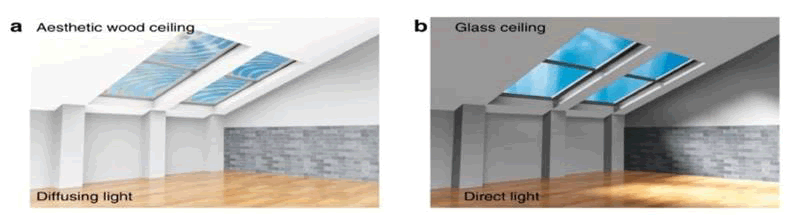
Figure 20. The schematic scene shows the light distribution and aesthetic appeal inside a building via applying (a) The aesthetic wood ceiling comparing with (b) The glass ceiling.
Polydimethylsiloxane (PDMS): PDMS is a polydimethylsiloxane, which is a type of silicone polymer. It is widely used silicon-based organic polymer known for its flexibility and biocompatibility. PDMS is commonly used in various applications, including medical devices, microfluidic systems, contact lenses, elastomers, adhesives and sealants, owing to its unique combination of properties, such as low toxicity, thermal stability, and excellent electrical insulating properties. Its flexibility and ability to repel water makes it useful in many biological and microfluidic applications. PDMS can be easily molded into different shapes and is widely used in research and industry.
Yanan Xiao et al., has developed a double-layer electrospun fibrous membrane consisting of a Polymethyl Methacrylate (PMMA)/Polydimethylsiloxane (PDMS) super hydrophobic layer and a chitosan super hydrophilic layer. This innovative approach resulted in a material with an impressive light transmittance of 86%. Photographs of PDMS/PMMA–chitosan transparent air filters at different transparencies (Figure 21).
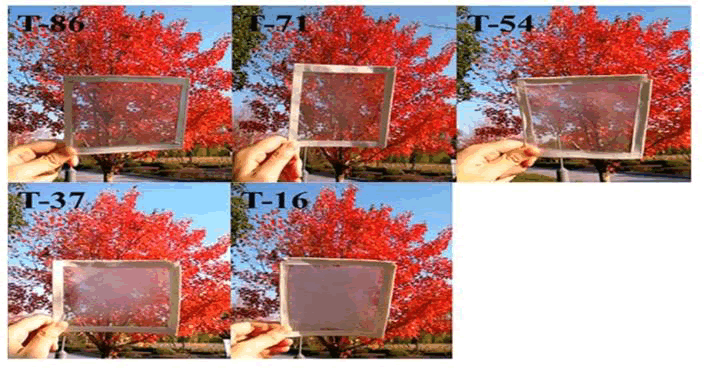
Figure 21. Photographs of PDMS/PMMA–chitosan transparent air filters at different transparencies. PMMA: Polymethyl Methacrylate. Yanan Xiao preparation and applications of electrospun optically transparent fibrous membrane.
Polyvinyl Pyrrolidone (PVP): Polyvinylpyrrolidone (PVP) is a water-soluble synthetic polymer commonly used in a variety of applications, including as a matrix polymer for semiconducting nanocomposites produced by electrospinning. PVP has a high molecular weight and forms stable, transparent and flexible films. It exhibits good adhesive properties, high solubility in water and polar solvents, and low toxicity. These properties make it an excellent choice for biomedical applications such as drug delivery and wound dressing.
Ankush Sharma et al., focused on the preparation and characterization of TiO2 nanofibers using the sol-gel method via the electrospinning technique with PVP polymer for an interesting application to create protective masks for SARS-CoV and COVID-19. They achieved the best results for different samples of TiO2/PVP nanofibers prepared by varying these parameters. One of the parameters investigated was the polymer concentration, which was increased from 6 to 8 wt% of PVP (Table 3). These nanofibers exhibited desirable properties such as small diameter, tunable porosity, and high surface area. These characteristics make them promising candidates for filtration and environmental and viral protection applications.
| Concentration of PVP | Diameter (nm) | Pore size (nm) |
| 6% | 223 | 4.045 |
| 7% | 458 | 2.827 |
| 8% | 813 | 1.664 |
Table 3. Concentration diameter and pore size of PVP.
The polymer concentration and the diameter of the resultant fibers increased. This increase in diameter suggests a decrease in the pore size of the fibers, which was measured to be as small as 1.4 nm (Table 4).
| Various elements and viruses | Size (nm) |
| Obtained pore size | 1.44 nm, 2.74 nm, 4.08 nm |
| Size of toxic elements in water (Arsenic, Cobalt, Mercury, Cadmium, Nickel, Chromium, Lead) | 0.121 nm to 0.175 nm |
| Size of water molecule | 0.275 nm |
| Size of Ar, N and O | 0.363 nm, 0.305 nm, 0.299 nm |
| Size of toxic elements in air (Asbestos, Mercury, Cadmium, Chromium) | 0.127 to 0.157 nm |
| Size of few harmful viruses (Ebola, COVID-19, SARS-COV-CoV, Bird-flu, Zika, Marburg, Hantavirus) | 50-140 nm |
Table 4. Size of the various elements and virus.
The surface morphology of the nanofibers was examined using Scanning Electron Microscopy (SEM) (Figure 22). This analysis provides insights into the physical structure and arrangement of the fibers at the microscale level. Additionally, the crystalline nature of the nanofibers was determined by X-ray Crystallography, which helped to identify the crystal structure and orientation of the TiO2 material. Furthermore, the surface area and porosity of the TiO2/PVP nanofibers were assessed using the Brunauer (Emmett) Teller test. This test is commonly used to measure the specific surface area and porosity of a material. By determining these properties, researchers can evaluate the suitability of the nanofibers for specific applications. Successfully achieved porosity of the fibers, ranging from 1.44 nm to 4.08 nm, opens up a wide range of applications for these nanofibers. With such porosity, the fibers are well-suited for water filtration and air filtration and can be utilized as protective masks to safeguard against various environmental hazards, including viruses such as SARS-CoV and COVID-19.
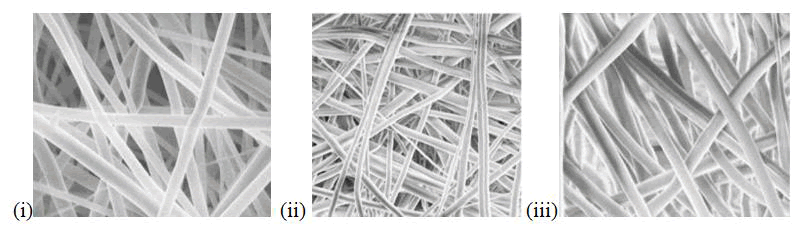
Figure 22. Represented FE-SEM images of (i) 6, (ii) 7 and (iii) 8 wt.% of PVP/TiO2 nanofibers.
Fu Xu et al., they successfully produced well-aligned and uniform side-by-side component fibres were using dual-opposite-spinneret electrospinning technique. These fibers consist of TiO2 and SnO2 components (Figure 23). After electrospinning, the as-spun fibers were calcined to obtain TiO2/SnO2 nanofibers. A combination of Thermogravimetry and Differential Thermal Analysis (TG-DTA) was performed to evaluate the thermal degradation behavior of the electrospun fibers. This analysis allowed researchers to understand the changes in weight and heat flow as the fibers underwent thermal decomposition.
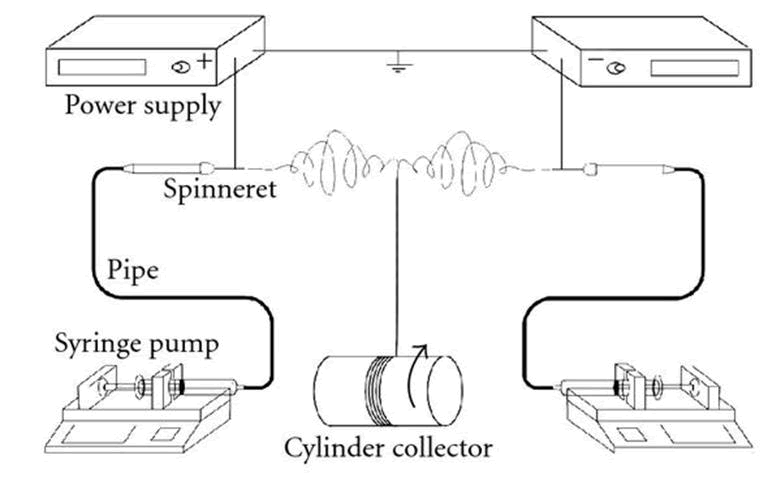
Figure 23. Schematic diagram of dual-opposite-spinneret electrospinning apparatus.
The crystal structures of the calcined nanofibers were investigated by X-Ray Diffraction (XRD). XRD analysis provided information on the arrangement and composition of the nanofibers after calcination. The resulting TiO2/SnO2 nanofibers exhibited a surface that exposed both TiO2, mainly in the anatase phase, and rutile SnO2. This composition is particularly suitable for applications that require photocatalytic materials.
The basic differences between the PVP-based ZnS/ZnO semiconducting nanocomposites are shown in Table 5.
| S.no. | Properties | PVP/ZnS | PVP/ZnO |
| 1 | Optical properties | It has a larger bandgap, absorbs light of higher energy (shorter wavelengths) | It has a smaller bandgap compared to ZnS |
| 2 | Morphology | ZnS nanocomposites may have a more spherical morphology compared to ZnO | ZnO nanocomposites may have a less spherical morphology compared to ZnS |
| 3 | Band gap | 3.7 eV/direct bandgap semiconductor with a wurtzite crystal structure | 3.3 eV/direct bandgap semiconductor with a wurtzite crystal structure |
Table 5. Difference between PVP Based ZnS/ZnO semiconducting nanocomposites.
Polyvinylidene fluoride (PVDF): Polyvinylidene Fluoride (PVDF) is a high-performance fluoropolymer. PVDF is a thermoplastic polymer made from a vinylidene fluoride monomer. It is known for its excellent chemical resistance, high-temperature stability, mechanical strength, and electrical properties. PVDF is often used in various applications, including pipes and fittings in the chemical industry, wire and cable insulation, lithium-ion batteries, photovoltaic films, sensors, and aerospace components owing to its outstanding properties and durability in harsh environments. They can also be processed into films, fibers, membranes and coatings for specialized applications (Figure 24).
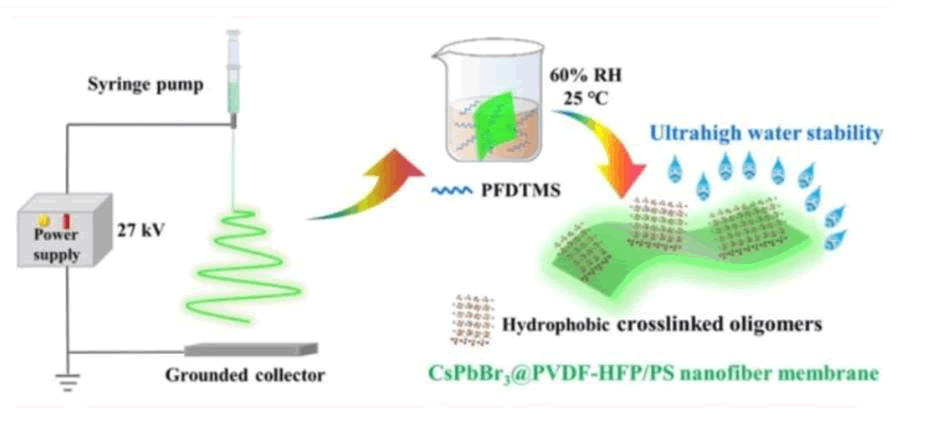
Figure 24. CsPbBr3@PVDF-HFP/PS nanofibers.
Polyimide (PI): Polyimide (PI) is a high-temperature-resistant polymer known for its excellent thermal stability, mechanical strength, and chemical resistance. It is often used in aerospace, electronics, and other high-performance applications because of its ability to withstand extreme temperatures and harsh environments.
Geng Cheng et al., discussed a composite membrane (PI@SPFEK) was developed as a crucial component for direct methanol fuel cells. The focus was on achieving a balance between the membrane thickness and mechanical strength. A thinner membrane reduces the internal resistance, enhancing the overall electrochemical performance; however, the mechanical robustness is equally vital. A composite membrane was fabricated by impregnating Sulfonated Poly (Fluorenyl Ether Ketone) (SPFEK) into a polyimide nanofiber mat. This composite membrane, approximately 55 μm thick, demonstrated a remarkable tensile strength of 35.1 MPa in the hydrated state, which was 65.8% higher than that of the pristine SPFEK membrane. Additionally, the reinforced membrane exhibited enhanced oxidation stability in Fenton’s reagent compared with the pristine SPFEK membrane. The study also comprehensively evaluated and discussed the morphology, proton conductivity, methanol permeability and fuel cell performance of the developed composite membrane
Polyamides (PA): Polyamides (PAs) are a class of synthetic polymers that contain repeated amide (-CONH-) groups in their molecular structures. These polymers are also known as nylon, a well-known and widely used polyamide. Polyamides can be prepared through various chemical processes, and they exhibit a range of properties that make them valuable for different applications.
Polyamides find applications in industries such as textiles (for making fabrics and clothing), automotive (for components such as gears and bearings), engineering (for various mechanical parts), and packaging (for films and containers). Their versatility and range of beneficial properties make them valuable materials for use in polymers and plastics.
Poly Lactic Acid (PLA): Poly Lactic Acid (PLA) is a biodegradable thermoplastic polymer derived from renewable resources, primarily corn starch and sugarcane. It belongs to the polyester family and is environmentally friendly. PLA is often used as a substitute for conventional petroleum-based plastics, reducing reliance on fossil fuels and lowering the carbon footprint.
Biodegradability: PLA is biodegradable, meaning that it can be broken down by natural processes, making it amore sustainable alternative to traditional plastics.
Renewable source: PLA is made from renewable resources, such as corn starch and sugarcane, making it asustainable choice.
Versatility: PLA can be processed using various techniques, such as injection molding, extrusion, and 3Dprinting, making it suitable for a wide range of applications.
Limited heat resistance: PLA has lower heat resistance than some other plastics, which limits its use in high-temperature applications.
Compostable: PLA is compostable under industrial composting conditions, meaning that it can break downinto natural elements in a composting environment.
Poly-L-Lactic Acid (PLLA): PLLA is a poly L-lactic acid, which is a biodegradable and bioactive thermoplastic polymer. It is a type of polylactic acid (PLA) composed of lactic acid molecules linked together to form a long-chain polymer. PLLA is a synthetic substance, but it is derived from natural resources, such as corn starch or sugarcane, making it a biodegradable and environmentally friendly material.
Jinxi Zhang et al., response to the growing threat of air pollution caused by particulate matter, significant research has been dedicated to developing electrospun polymer nanofibers for air filtration purposes. In particular, electrostatic charge-assisted air filtration holds promise for capturing small Particulate Matter (PM). The use of biodegradable electrospun poly (l-lactic acid) (PLLA) polymer nanofibers as air filters was explored. The electrostatic charges generated by the PLLA nanofibers significantly enhanced filtration efficiency. Compared to a commercial respirator filter (3M), electrospun PLLA fibrous filters exhibit an impressive efficiency of 99.3%. Even after 6 h of filtration, the PLLA filtration membrane maintained a 15% improvement in the quality factor for PM 2.5 particles compared to the 3M respirator. This improvement was mainly due to the electrostatic force generated by the electrospun PLLA nanofibers, which greatly enhanced the absorption of submicron particles. Additionally, because of their biodegradability, ease of fabrication, and high efficiency, electrospun PLLA nanofibers hold great promise for applications in air-cleaning systems and personal air purifiers.
Polyacrylonitrile (PAN): The Polyacrylonitrile (PAN) is a synthetic polymer made from acrylonitrile monomers. PAN fibers are strong, lightweight, and resistant to heat and chemicals. They are commonly used in textiles, filtration materials, and carbon fiber production.
N.Kizildag et al., have explored the electrospinning of Polyacrylonitrile (PAN) nanofibers, with a focus on enhancingtheir properties and functionalities. The incorporation of additives, such as silica, polyaniline, carbon nanotubes, andsilver nitrate, to improve the thermal stability, electrical conductivity, and antibacterial activity of the nanofibers. Theporous PAN and carbon nanofibers with controllable nanoporous structures, which could have potential applications inareas such as filtration and catalysis. These studies collectively contribute to the understanding of how to optimize theproperties and functionalities of PAN nanofibers for various applications.
Polyaniline (PANI): Polyaniline (PANI) is a type of conductive and semi-conductive polymer that belongs to the family oforganic polymers. It is known for its unique electrical, chemical, and optical properties, which make it suitable forvarious applications, particularly in the fields of electronics, sensors, and energy storage. Key characteristics and usesof PANI polymer include
Conductivity: PANI is well known for its electrical conductivity, which can vary depending on its oxidation state.They can exhibit both metallic-like conductivity and semiconducting behavior, making them valuable for use inelectronic devices and components.
Redox behavior: PANI can undergo reversible redox reactions, meaning that it can easily switch betweendifferent oxidation states while maintaining its structural integrity. This property is crucial for applications thatinvolve charge storage and transmission.
Applications in electronics: PANI is used in electronic components, such as transistors, diodes, and sensors,owing to its conductive nature and tunable electrical properties.
Sensors: PANI-based sensors are used in various industries, including environmental monitoring, healthcare,and security. These sensors can detect gases, chemicals and other substances by measuring changes inconductivity caused by interactions with the target material.
Notably, the properties of PANI are highly dependent on factors such as the synthesis method, doping level, and processing conditions. Researchers continue to study and develop PANI-based materials for a wide range of applications, aiming to harness their unique characteristics for technological advancements.
Polyethylene Glycol (PEG): PEG polymer refers to Polyethylene Glycol polymer, which is a type of synthetic polymer made by polymerizing ethylene oxide molecules. Polyethylene Glycol (PEG) is a polyether compound that is widely used in various industries due to its versatility and favourable properties. PEG polymers are characterized by their water solubility, biocompatibility and low toxicity, making them useful in pharmaceuticals, cosmetics, food products and various other applications.
Chengyi Liu et al., studied a nanofiber membrane was developed using electrospinning (e-spinning) technology with Polylactic Acid (PLA) as the base material. Rosmarinic Acid (RosA) at 9 wt% and Graphite Oxide (GO) at 0.04 wt%, both possessing synergistic antibacterial properties, were incorporated into the PLA precursor solution. A non-ionic amphiphilic polymer, Polyethylene Glycol (PEG), was introduced to enhance the hydrophilicity of the membrane for wound-healing applications. The resulting PLA nanofiber membrane demonstrated excellent antibacterial properties and wound-healing effects. Morphological analysis indicated that the incorporation of RosA/GO and PEG did not disrupt the electrospinning process. Mechanical tests and wettability analyses revealed that PEG and RosA/GO effectively migrated to the fiber surface. The e-spun PLA/PEG/RosA/GO membrane (Figure 25) exhibited strong antibacterial activity and accelerated initial wound healing, demonstrating its potential as a promising wound dressing material.
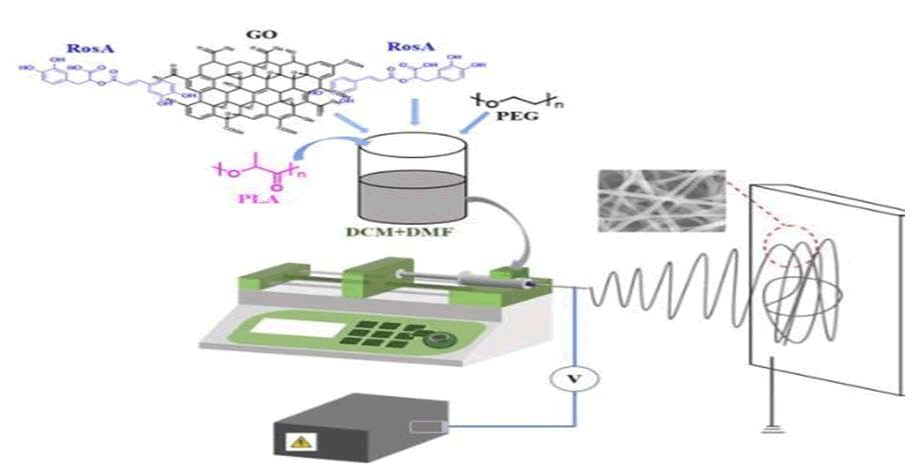
Figure 25. PLA/PEG/RosA/GO membrane.
Polyethylene Terephthalate (PET): Polyethylene Terephthalate (PET) is a common thermoplastic polymer resin in the polyester family. PET is widely used for packaging purposes, particularly for the production of plastic bottles for beverages, food, and other liquids. It is well known for its clarity, strength, and recyclability.
Polyvinyl Butyral (PVB): Polyvinyl Butyral (PVB) is a synthetic resin produced by the polymerization of vinyl butyral. It is a type of thermoplastic often used as an interlayer in laminated glass manufacturing. PVB possesses excellent adhesive and optical properties, making it ideal for bonding glass layers in applications such as automobile windshields, architectural glass, and safety goggles. In laminated glass, PVB layers enhance the structural integrity of the glass, prevent it from shattering into sharp pieces upon impact, and provide sound insulation and protection from harmful Ultraviolet (UV) rays.
Linjer Chen et al., explored the development of one-dimensional all-inorganic perovskite nanofibers using the electrospinning technique. A range of inorganic perovskite nanofibers, specifically PVB/CsPbX3 (X=Cl, Br, and I), were synthesized through electrospinning and demonstrated tunable photoluminescence (PL) emissions across the visible light spectrum (450–670 nm). The composition of the CsPbX3 nanofibers was adjusted to achieve effective tunability of their optical properties and morphologies. By varying the halide ratio in the CsPbX3 hybrids, the morphology and optical characteristics could be precisely controlled. The resulting nanofibers exhibited a power conversion efficiency of 7.79% under AM1.5G (with a cell area of 0.5 cm2). This study highlights the significance of these all-inorganic nanofibers produced through electrospinning, showcasing their potential as absorber layers that enhance light absorption and charge collection for perovskite solar cells (Figure 26).
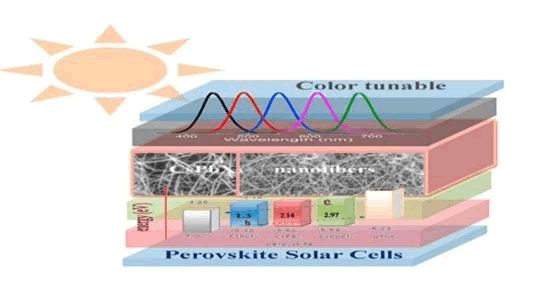
Figure 26. PVB/CsPbX3 nanofibers perovskite solar cells.
Electroactive Polymer (EPA): An electroactive polymer (EPA) exhibits a change in size or shape when stimulated by an electric field.
Chavhan et al., assessed the thermal stability using thermogravimetric analysis, and the results demonstrated that the presence of MWCNTs enhanced the thermal stability of the prepared nanocomposites. Overall, this study demonstrated the successful fabrication of EPA/MWCNT nanocomposite fibers through electrospinning, with improved thermal stability attributed to the incorporation of MWCNTs.
Biopolymers
Biopolymers are polymers that are produced by living organisms. They are organic compounds consisting of long chains of repeating subunits called monomers, which are linked together through chemical bonds. Biopolymers play an essential role in various biological processes and structures. They are distinct from synthetic polymers that are created through human-made processes.
Huibin Chang et al., reported the helical alignments in heart muscle by using polyurethane for its efficient pumping, but replicating these intricate structures is difficult with current methods so they have chosen Rotary Jet Spinning (FRJS), a new technique for quickly creating micro/nanofiber scaffolds with precise alignments in 3D shapes. By seeding these scaffolds with heart cells, we created tissue-engineered ventricles. Those with helical alignments showed better performance, including more uniform deformation, greater shortening at the apex, and higher ejection fractions, compared to those with circumferential alignments. FRJS allows for controlled fiber arrangements in 3D, offering a new way to create tissues and organs, and demonstrates the importance of helical structures in heart function. In Figure 27 shows full-scale fiber heart model.
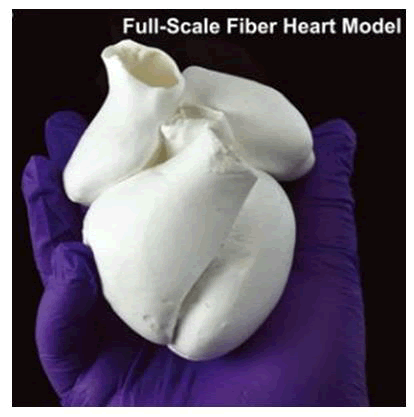
Figure 27. Full-scale four-chambered human heart model composed of single-micrometer fibers (scale bar, 2 cm).
Simulation of the electrospinning process
Apart from performing electrospinning as a research experiment, current technology allows electrospinning to be performed using software. Simulation of the electrospinning process involves the use of computational methods to model and understand the behavior of polymer solutions or melts during electrospinning. The simulation of the electrospinning process allows researchers to explore a wide range of parameters without the time and cost associated with physical experimentation. This helps optimize the process conditions for the desired fiber morphology, alignment, and diameter distribution. Additionally, simulations can aid in designing new electrospinning setups and predicting the effects of different polymer solutions, electric-field strengths and collector configurations.
JETSPIN: Specific-purpose open-source software for simulations presented by Lauricella et al. (Figure 28). This article provides a general introduction to JETSPIN with a focus on its architecture, parallel implementation, features, performance, and accessibility. JETSPIN, an open-source computer program, was developed to mimic nanofiber electrospinning. With appropriate reference to the underlying model, a description of the pertinent input variables, and the corresponding test case simulations, its capabilities are demonstrated. The numerous interactions that are part of the electrospinning model implemented by JETSPIN are thoroughly explored. The code was designed to use various computational architectures, including workstations with single and parallel processors.
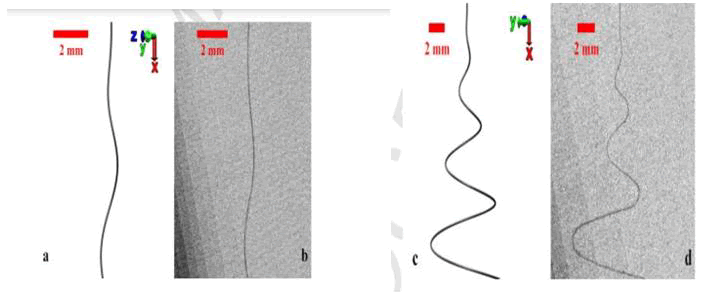
Figure 28. Snapshots of the simulated jet (a, c) and of the experimental jet (b, d) taken close the nozzle in the early stage (a, b), and in the bending regime (c, d) of dynamics.
In this comprehensive review, we have undertaken an in-depth exploration of electrospinning techniques and their endless applications in polymer-added semiconducting nanocomposites. Through a meticulous examination of the working principles and construction methodologies, we unveiled the intricate mechanisms governing this innovative technology. Our survey of recent advances in the field has underscored the remarkable progress achieved in enhancing the precision, versatility, and scalability of electrospinning. The integration of various polymers and semiconducting materials has paved the way for the creation of nanocomposites with tailored properties, sparking immense interest in both the scientific and industrial communities. The diverse applications discussed herein, Polyvinyl Alcohol (PVA) is used in textiles, paper coatings, and adhesives due to its water solubility and film-forming properties. Polymethyl Methacrylate (PMMA) serves in transparent applications like windows, aquariums and light fixtures. Poly(glycidyl methacrylate) (PGMA) finds use in biomedical applications and coatings due to its reactivity. Polydimethylsiloxane (PDMS) is prominent in medical devices, contact lenses, and as a lubricant due to its flexibility and biocompatibility. Polyvinylpyrrolidone (PVP) is employed in pharmaceuticals, cosmetics and adhesives for its excellent solubility and film-forming abilities. Polyvinylidene Fluoride (PVDF) is used in electrical and chemical applications for its chemical resistance and stability. Polyimide (PI) is essential in high-temperature applications like aerospace and electronics due to its thermal stability. Polyamide (PA), commonly known as Nylon, is used in textiles, automotive parts and machinery components for its strength and durability. Polylactic Acid (PLA) and its stereoisomer Poly (L-lactic acid) (PLLA) are prominent in biodegradable packaging, disposable tableware, and medical implants. Polyacrylonitrile (PAN) is used in fibers for textiles and carbon fiber production. Polyaniline (PANI) is valuable in conductive applications, sensors and anti-static coatings.
Polyethylene Glycol (PEG) finds use in pharmaceuticals, cosmetics, and as a lubricant for its solubility and biocompatibility.
The authors are grateful to the management and department of Physics SRM Valliammai Engineering College for their enduring support and encouragement.
The authors declare that there is no conflict of interests regarding the publication of this Review Article.
[Crossref] [Google Scholar] [PubMed]
[Crossref] [Google Scholar] [PubMed]
[Crossref] [Google Scholar] [PubMed]
[Crossref] [Google Scholar] [PubMed]
[Crossref] [Google Scholar] [PubMed]